News
2026-09-24
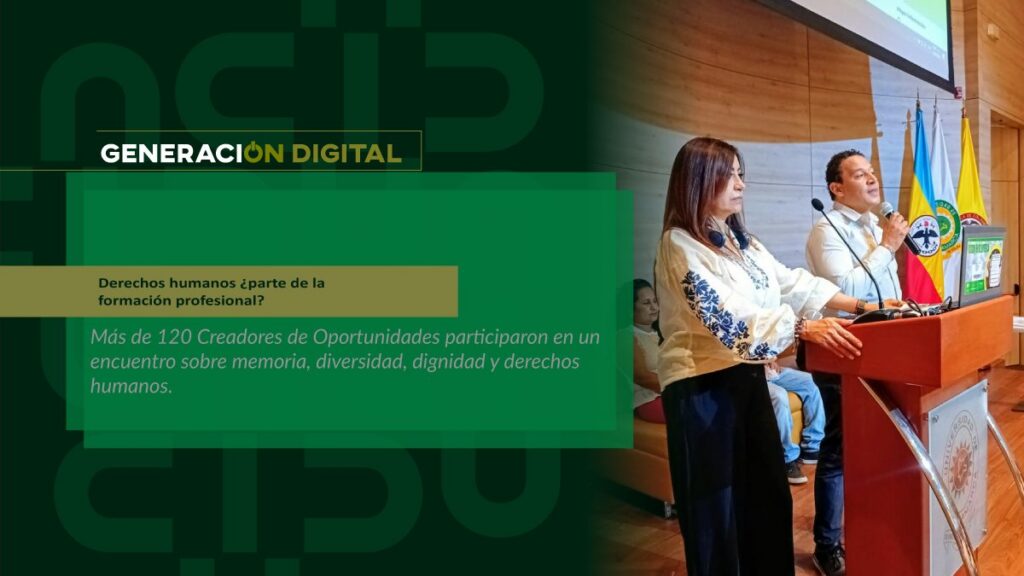
Human rights: part of professional training?
By: Alejandro García Suárez – Advisory Office of Communications



I am your virtual assistant, here to help you quickly and easily.
▲ Back to Top
By: Carolina Rojas Cendales
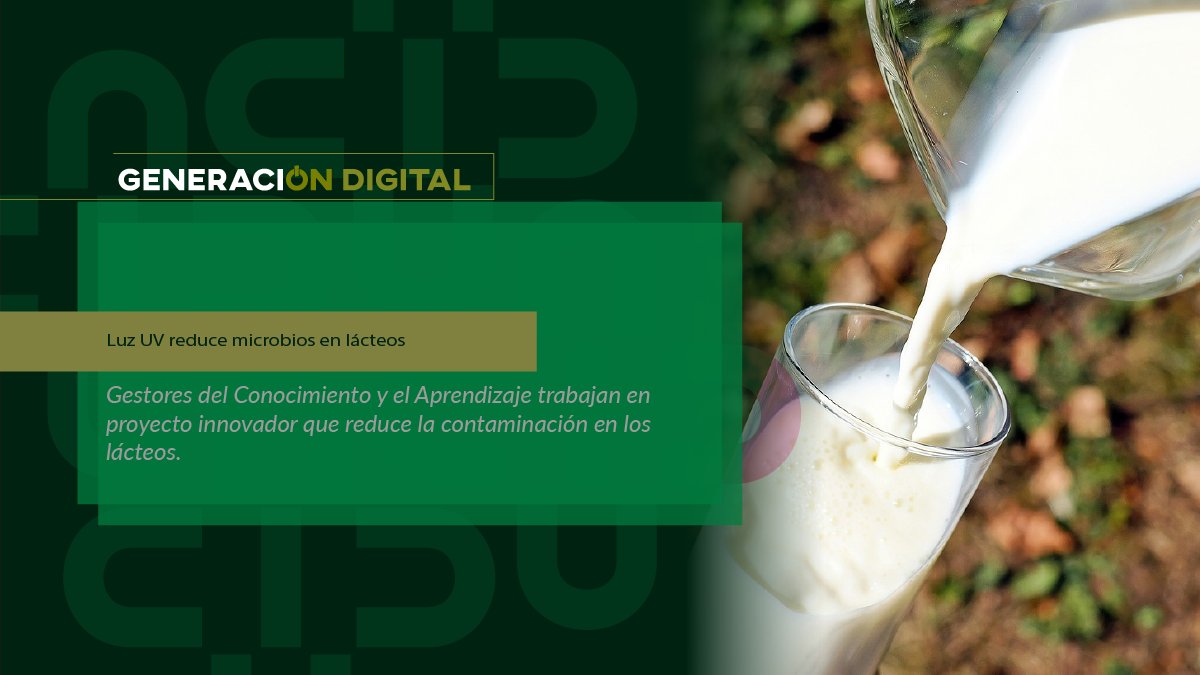
At the Ubaté branch, a group of researchers led by Fredy Alexander Baqueo and Iván Olimpo Velásquez Parra, Knowledge and Learning Managers for the Animal Science program, along with Guillermo León Murcia, Knowledge and Learning Manager for the Systems and Computer Engineering program, have developed an innovative project that promises to transform the dairy industry in the region. This project involves the design of a prototype ultraviolet light radiator to reduce the microbial population in raw milk from the Ubaté Province.
The project's main objective is to design equipment capable of disinfecting raw milk or reducing its microbial load from the moment of milking on farms until processing. Microbial contamination begins during milking, which is mostly done manually, exposing the milk to microorganisms present in mud and bovine feces. These microorganisms deteriorate the product's nutritional quality, and due to the time that elapses before processing, the bacterial load increases considerably.
As a solution to this problem, chemicals and components are added to "clean" the milk, which can affect the health of the end consumer. The equipment under development aims to apply short-wave ultraviolet light to the milk immediately after milking, well before it reaches the collection point. This process would minimize the microbial load and reduce the need for thermization, resulting in lower energy consumption and, consequently, a reduction in the dairy industry's carbon footprint.
The project is currently in the prototype design phase, with progress being made on the manual aspects and the drafting of a scientific article. The first tests with the appropriate equipment are expected to take place in June.
This project involves students from the Animal Science and Systems and Computer Engineering programs at the Ubaté campus, within the framework of the research group. The Animal Science students are studying product safety, while the Systems and Computer Engineering students are assisting with software design and equipment programming.
One of the key aspects of the research is determining the irradiation time required to eliminate microorganisms without affecting the milk's nutritional composition. Additionally, the speed of the process will be evaluated to ensure the milk does not lose its essential properties.
The project aligns with the Transmodern Digital Educational Model (MEDIT), as it addresses a social problem from a scientific and technological perspective. From an engineering standpoint, it studies the interaction between ultraviolet light and the components of milk, analyzing how the wavelength of the light can destroy bacteria without affecting the presence of vitamins such as D and A.
News
News
News
News