News
2026-09-24
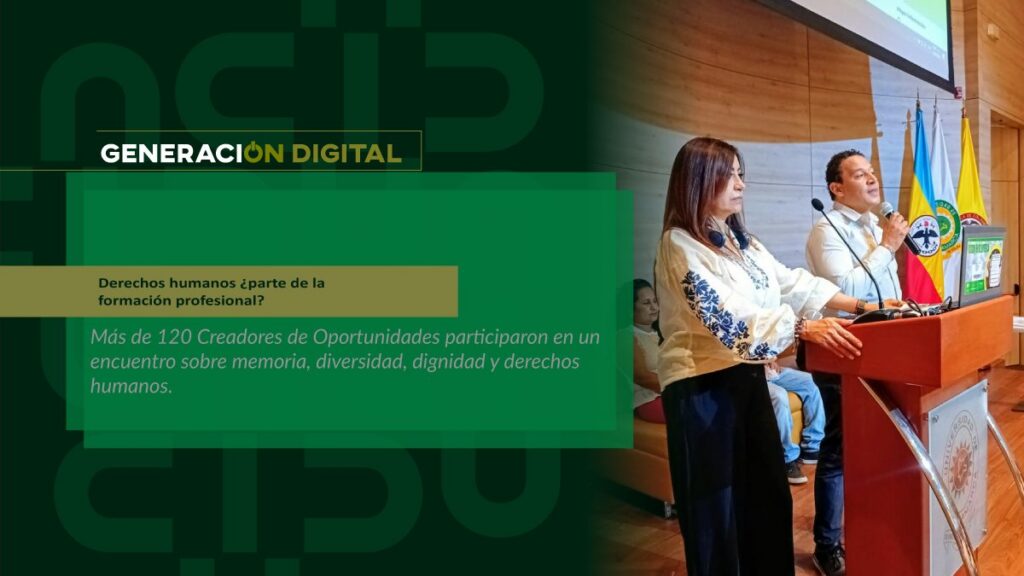
Human rights: part of professional training?
By: Alejandro García Suárez – Advisory Office of Communications



I am your virtual assistant, here to help you quickly and easily.
▲ Back to Top
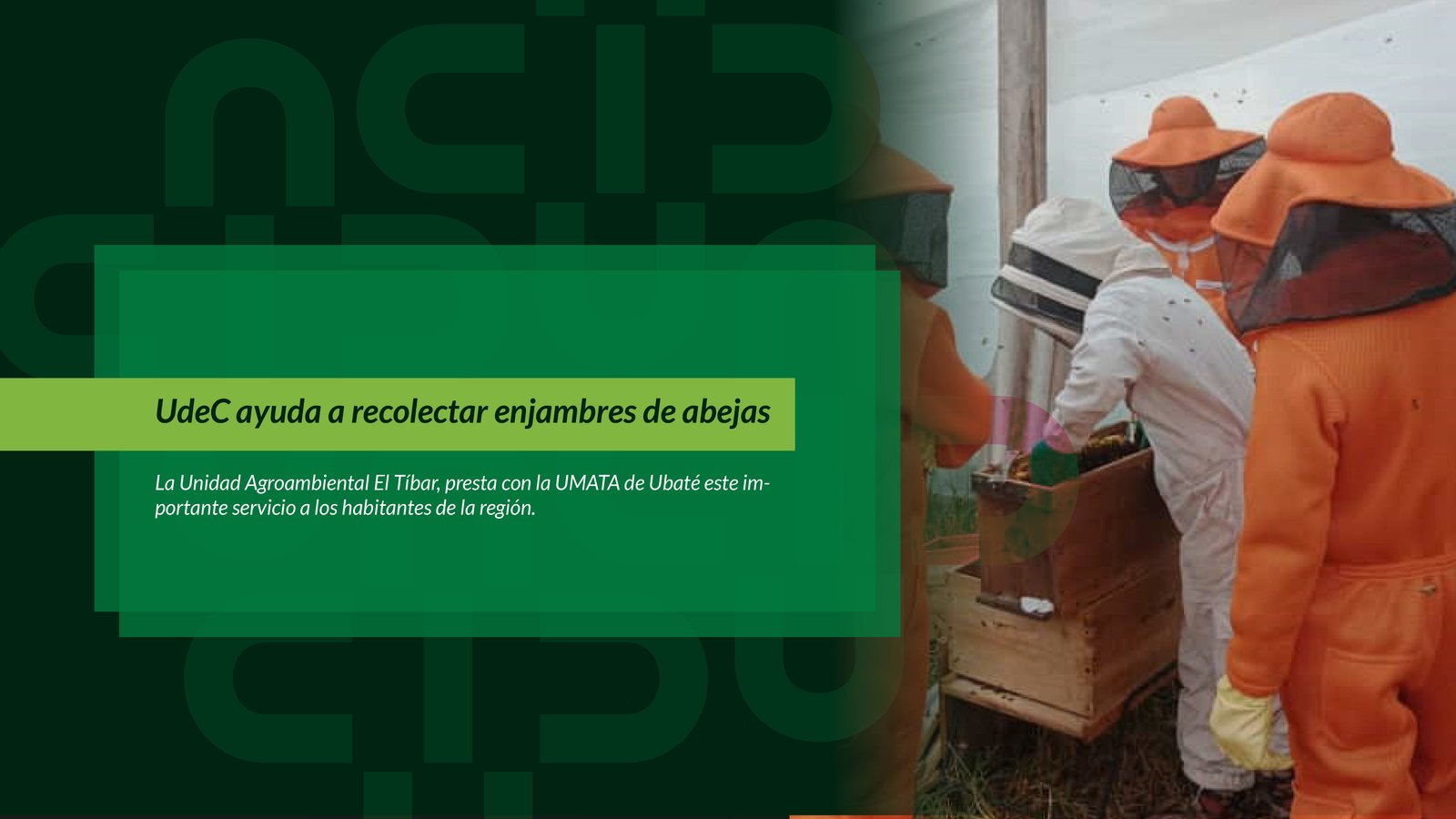
The El Tíbar Agro-environmental Unit, together with the UMATA of Ubaté, provides this important service to the inhabitants of the region.
In response to the increase in cases of bee stings due to improper handling, a meeting was held to ensure that both parties could work together when such situations arise. “What we've observed is that people often panic and set fire to the hives, which is wrong, since bees are crucial for plant pollination, allowing for fruit production for human consumption, among other benefits. Their role is foraging, which involves collecting nectar and pollen from flowers,” explains Camila Andrea Arévalo, manager of the El Tíbar Agro-environmental Unit within the Animal Science program.
With this situation in mind, and as part of the University's Social Interaction process, which focuses on addressing community needs, the institution sought a solution to the problem. “So, two months ago, we partnered with the UMATA (Municipal Unit of Agricultural Technical Assistance) with the goal of capturing the bees and placing them in hives we have. We've already collected four swarms. This work should be done by the fire department, but they lack the training and equipment.”.
In this context, the University of Cundinamarca (UCundinamarca) has begun a training program, given Colombia's immense potential. According to the Ministry of Agriculture, the country produced 3,851 tons of honey from 135,590 beehives in 2020, indicating a promising future for this agro-industrial sector. "We've already held a workshop with firefighters on the importance of bee colonies for ecosystems. From there, we want to extend this program to the wider community and provide beehives to those interested, enabling them to become beekeepers and establish a productive unit that generates income.".
That's why he doesn't hesitate to offer advice when a beehive is found near a property or house within the town limits. "Don't disturb them! They are very sensitive animals and can attack people or animals, even causing death from the numerous stings they inflict. My recommendation is to contact the UMATA (Municipal Unit of Agricultural Technical Assistance), the fire department, or us at the Tíbar Agro-Environmental Unit to determine the appropriate course of action.".
For Luis Delgadillo, a farmer from the region and president of the Community Action Board of the Chucunzoque village, the help provided by the University of Cundinamarca in removing a swarm of bees was crucial. “I’m very grateful to the university because they removed them from the community hall. They were nesting on the roof of the building. Dr. Wilson from the UMATA (Municipal Unit of Agricultural Technical Assistance) contacted the university, and they came shortly after. It’s a good thing they acted quickly because they had already attacked some people from whom we rent a space. They came out to bother us, especially when the sun was strong. At one point, we considered setting them on fire, but in the end, we didn’t.”.
In this way, UCundinamarca, through its university social interaction policy, works with communities to generate improvements and transformations within them to achieve well-being and progress.
News
News
News
News