News
2026-09-24
Human rights: part of professional training?
By: Alejandro García Suárez – Advisory Office of Communications



I am your virtual assistant, here to help you quickly and easily.
▲ Back to Top
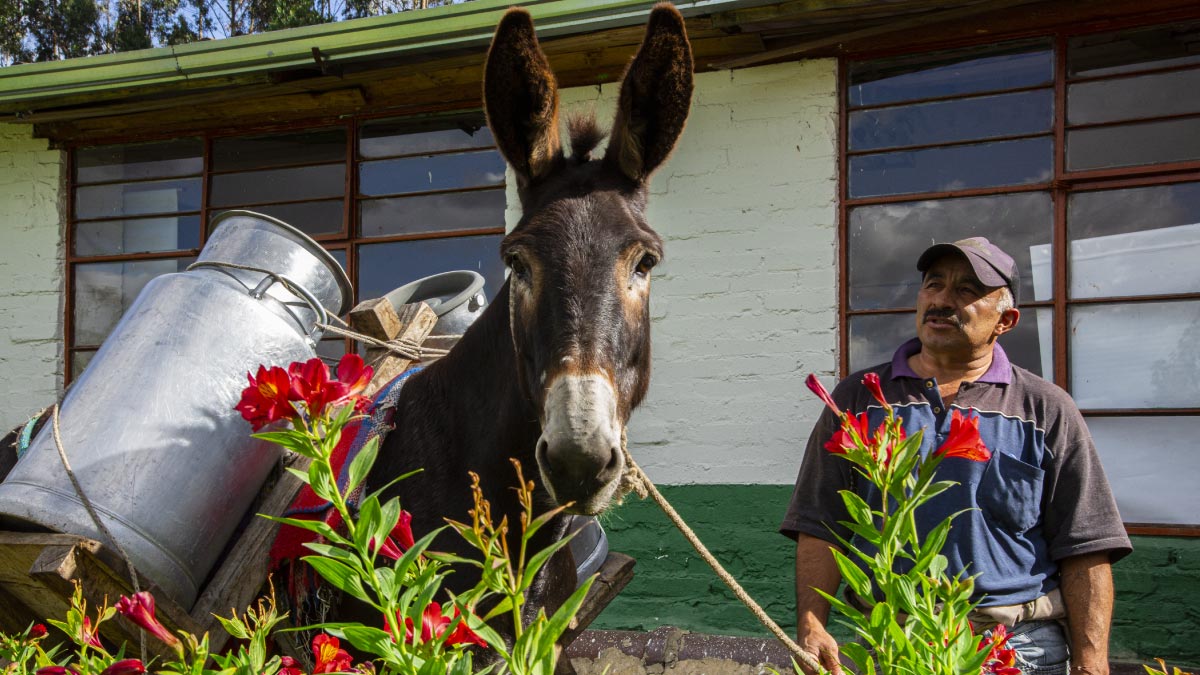

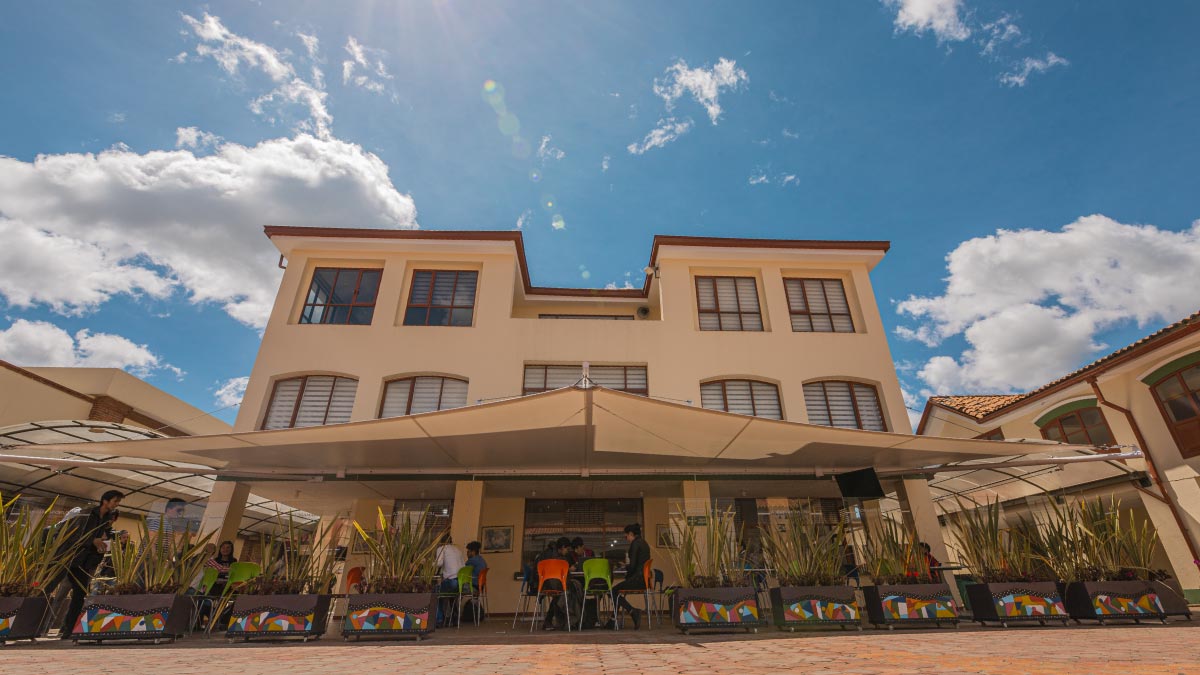
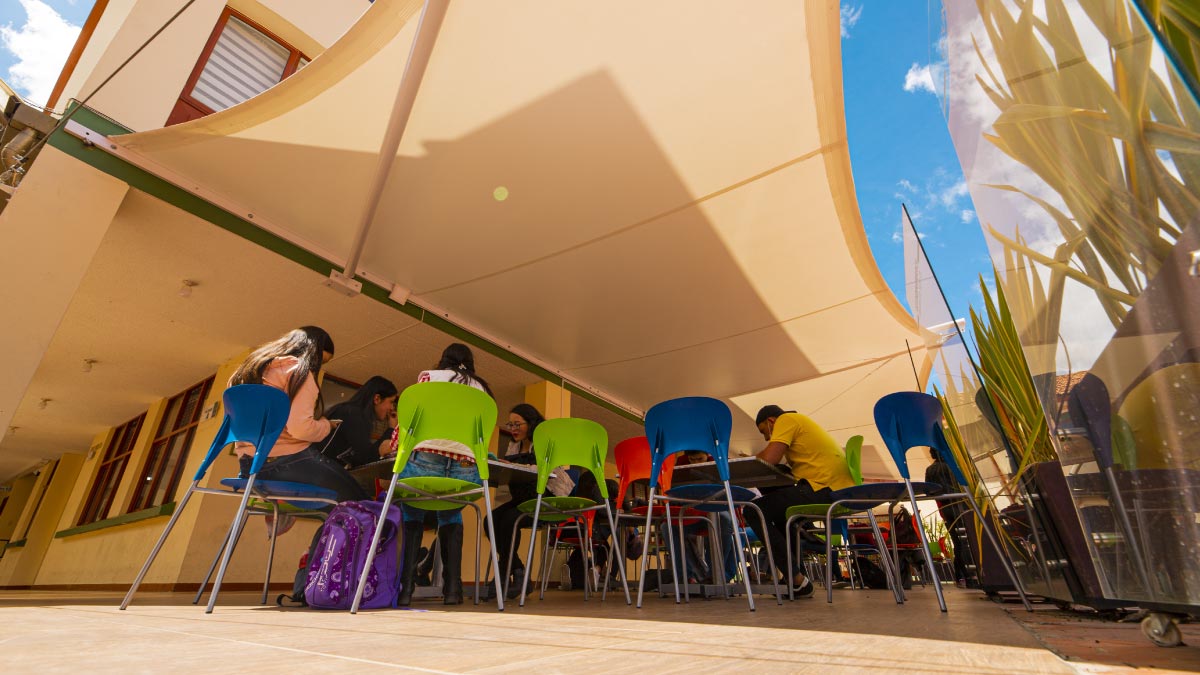
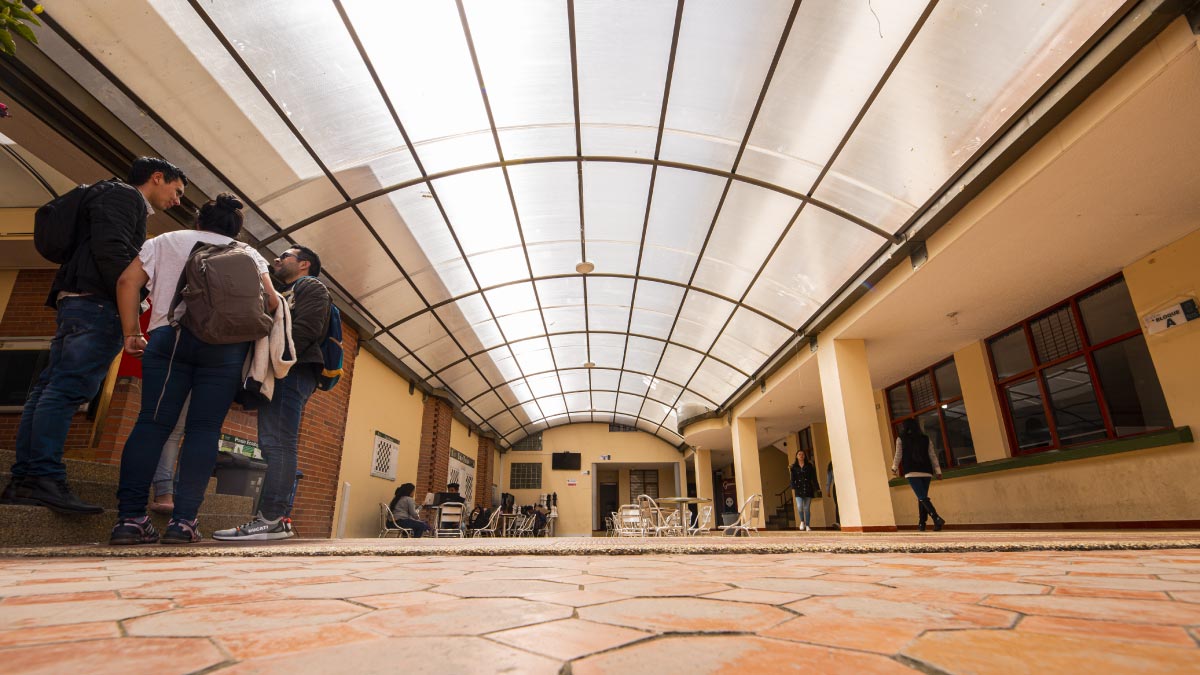
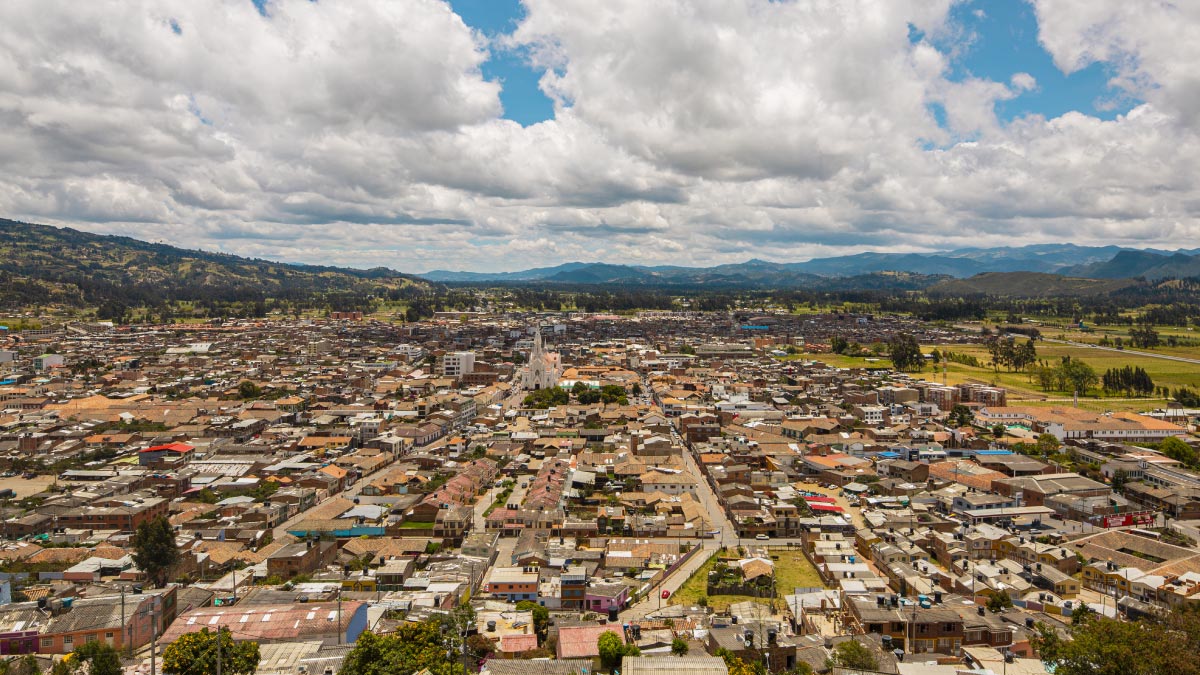
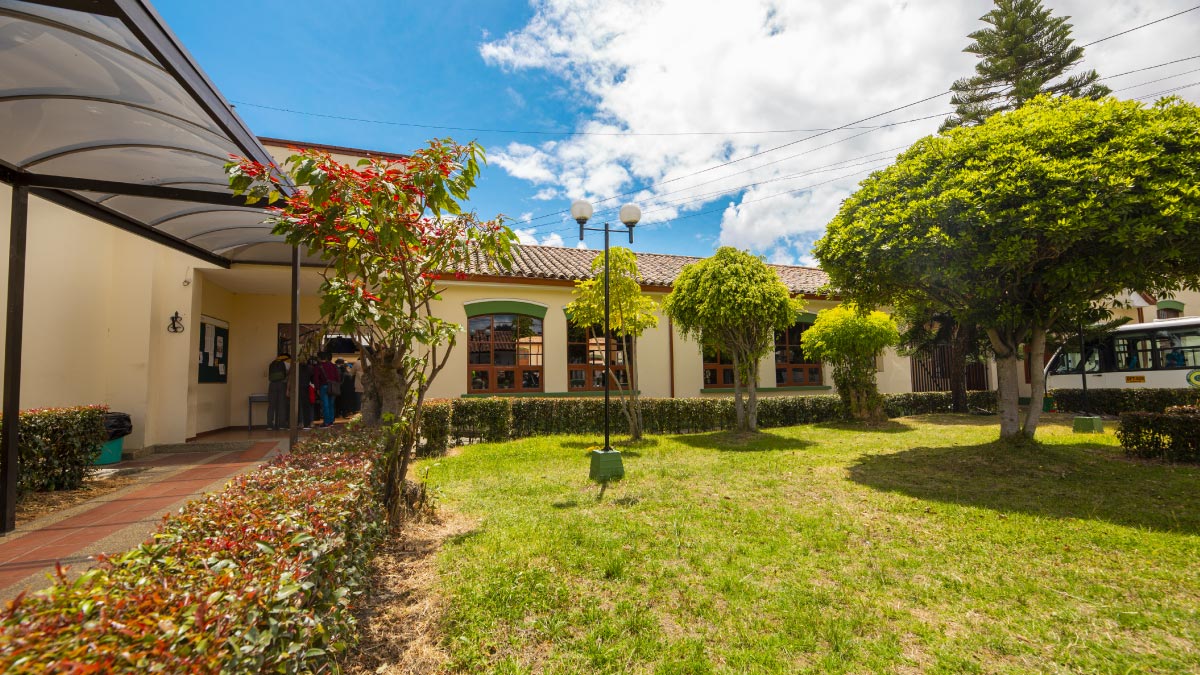
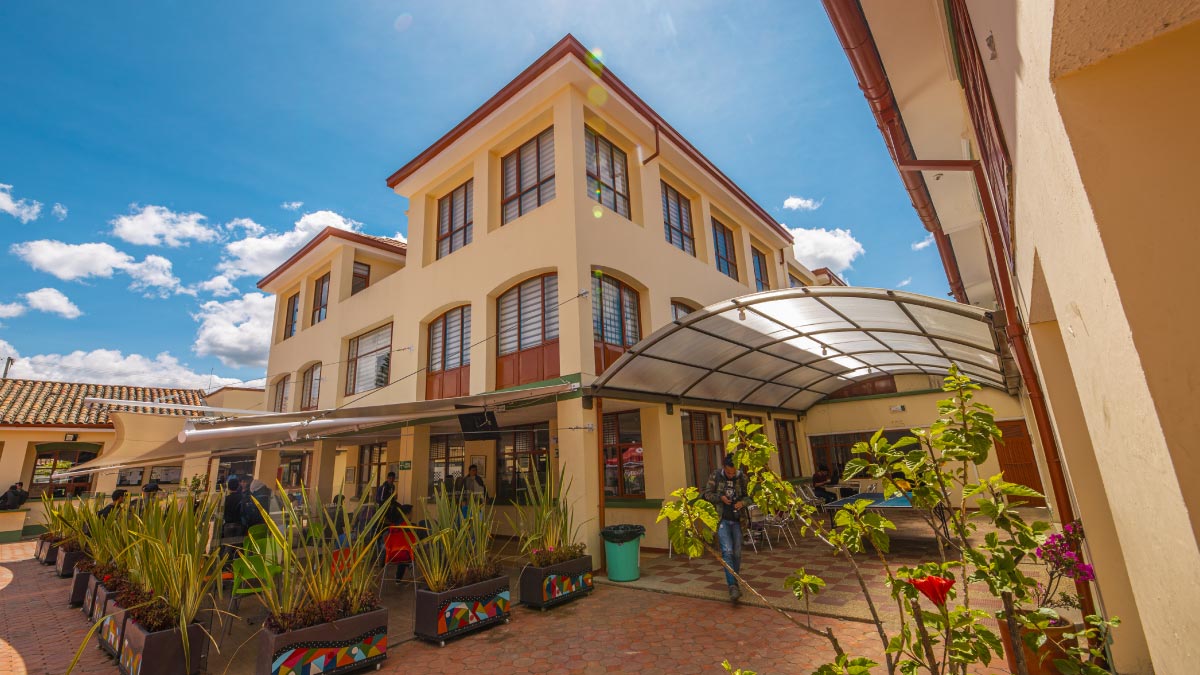
There in that valley, nestled amidst the mountains, the University of Cundinamarca has been serving the community since 1973. To this day, it has distinguished itself by offering programs that contribute to the region's economic development, focusing on the needs of its inhabitants and the training of educational institutions in the province. Currently, it offers four degree programs to more than 1,519 students in both day and evening classes: Public Accounting (551 students enrolled), Business Administration (387 students enrolled), Animal Science (316 students enrolled), and Systems Engineering (265 students enrolled).
Dr. Miguel Alejandro Fechas, director of the Ubaté branch, tells us more about the Ubaté branch.
How does the Ubaté branch contribute to the development of the community in the Province of Ubaté?
AF. Thanks to the contributions of many people, we have been able to establish agreements that allow us to reach not only students but also the community at large. We have agreements with the Women's Advisory Council to offer free courses in various areas such as English, computer systems, entrepreneurship, and more, supported by student interns. We also have an agreement with the Santo Cristo Foundation, where children with disabilities study. We have opened up an interactive space for them at the 'El Tibar' Agricultural Unit, where our Animal Science students apply their knowledge, interact in a more practical environment, and share their expertise.
Likewise, through the various academic programs, research is conducted that contributes to addressing the different problems faced by the population of the Ubaté Valley. The accounting program has carried out research projects related to characterizing the region's mineral resources and the organizations operating within the framework of the social and solidarity economy.
The Animal Science program also has a "rural sociology" research group that aims to explore local production units, understand rural needs, and strengthen the exchange of knowledge between academia, producers, and residents of the region.
What high-impact projects have been developed this year?
AF. We have invested a large part in laboratories; currently we have an animal nutrition laboratory that is valued at around $420 million pesos, which greatly benefits the training of animal science students.
We also have a specialized Cisco-themed laboratory that the systems engineering program acquired this year, which cost approximately 1,442,800 million pesos to fully adapt; this laboratory allows students to strengthen skills in communications, information security, server administration, cloud security, and Cisco technologies.
In terms of infrastructure, investments have been made in replacing all the lighting in the branch office with LED bulbs; likewise, in the bathrooms, motion sensors have been installed to save energy, and improvements have been made to the windows, the library, and the bathrooms on the first and second floors.
What activities are planned for the remainder of 2019?
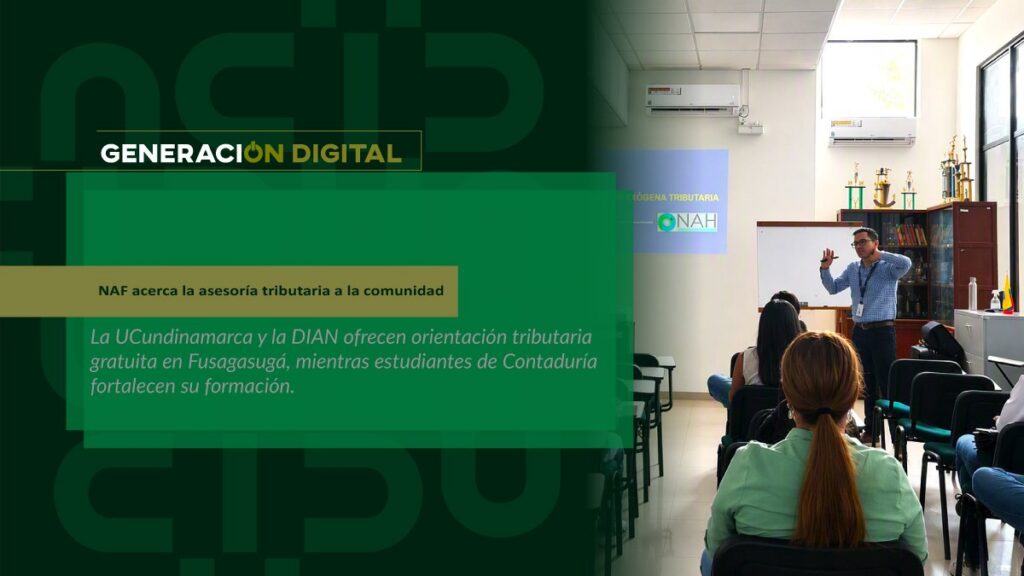
AF. At the Ubaté branch, we strive to extend education beyond the campus, fostering community engagement and a deep understanding of the local environment. We aim to impart knowledge not only to our students but also to provide the province with a foundation for self-improvement. To this end, we organize activities such as Cantable Thinking Forums, workshops, activities for high school students, and the Dairy Congress, which this year will be held in the department of Cundinamarca. Additionally, a DIAN (National Tax and Customs Directorate) NAF (National Tax and Customs Administration) office will be opened to strengthen public policies on tax education and promote tax culture programs. This office will be staffed by DIAN students and administered by the DIAN.
Similarly, there are plans to renew the WiFi and open the university's radio station, which will operate on 99.6 FM in the Ubaté Valley Province and its surroundings.
News
News
News
News