News
2026-09-24
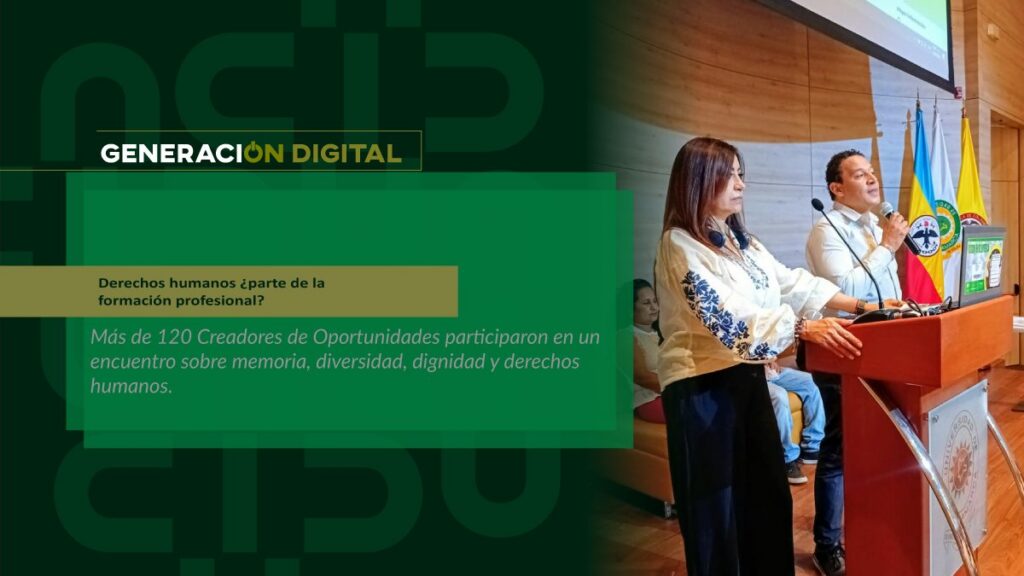
Human rights: part of professional training?
By: Alejandro García Suárez – Advisory Office of Communications



I am your virtual assistant, here to help you quickly and easily.
▲ Back to Top
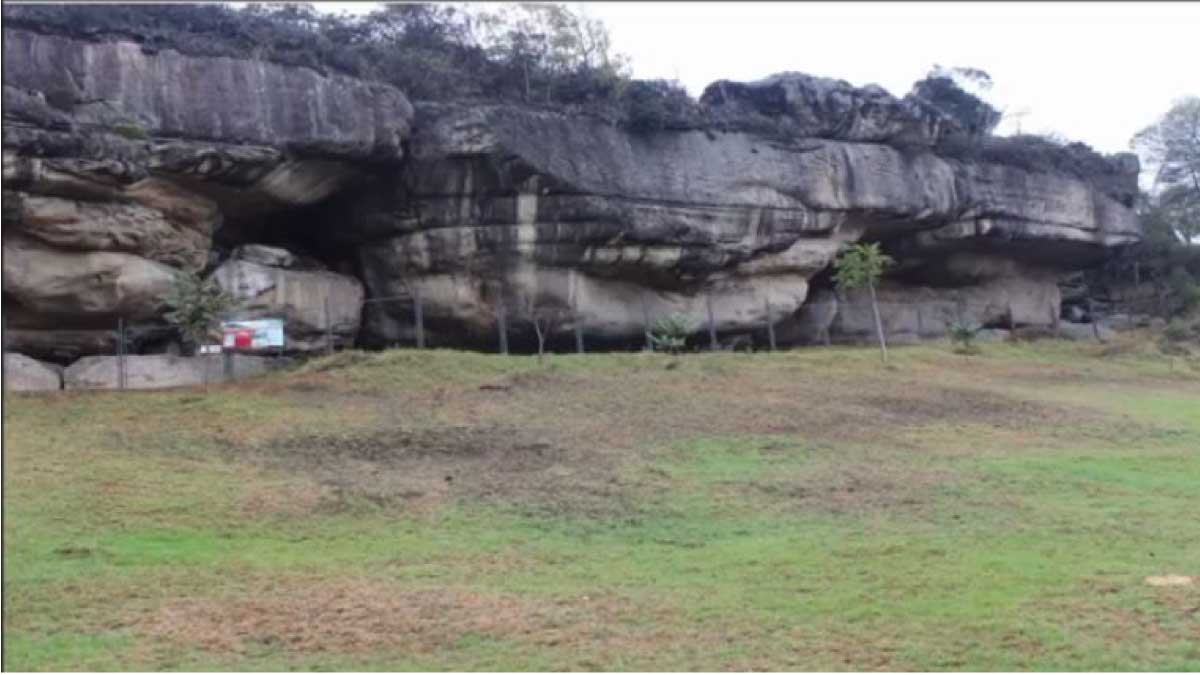
The history of the archaeological park 'Piedras del Tunjo' dates back to the years 1889 but it was not until 1946 that the national government decided to name what is now known as 'Piedras del Tunjo' as the Archaeological Park - Facatativá.
It is the only park in an urban area of the city, which is why it is a source of pride for the people of Facatativá at a national level.
For the University of Cundinamarca, it is also a source of pride because they are working and educating in the area where the park is located, but it also represents a joy and motivation to know that a UDEC graduate is in charge of managing said park.
This is Marco Vinicio Malpica, an environmental engineer who is also a social and community leader in Facatativá.
Currently, engineer Marco is in charge of the Special Management and Protection Plan – PEMP, with the Government and the Ministry of Culture to protect the territory and dignify it together with the population.
“Since 2016 we have had an agreement with the Government, we conducted several analyses and a methodology was determined,” said the engineer, a graduate of the University of Cundinamarca.
Once the diagnosis was made, a proposal was created with three components. The first is the delimitation of the area, the second the management conditions, and the third education.
So far, the plan is progressing satisfactorily. However, it's worth noting that the social assessment revealed the park has several names, all of which are related to the rock art characteristic of the area.
Park names:
– Zipa Enclosure.
– Stones of Tunja.
– Tunjo Stones
– Frog Sanctuary.
– Archaeological Park of Facatativá.
People can attend since tourism is one of the easiest ways to contribute to the resources for the conservation of the archaeological park.
News
News
News
News