Fusagasugá Branch
2026-09-24
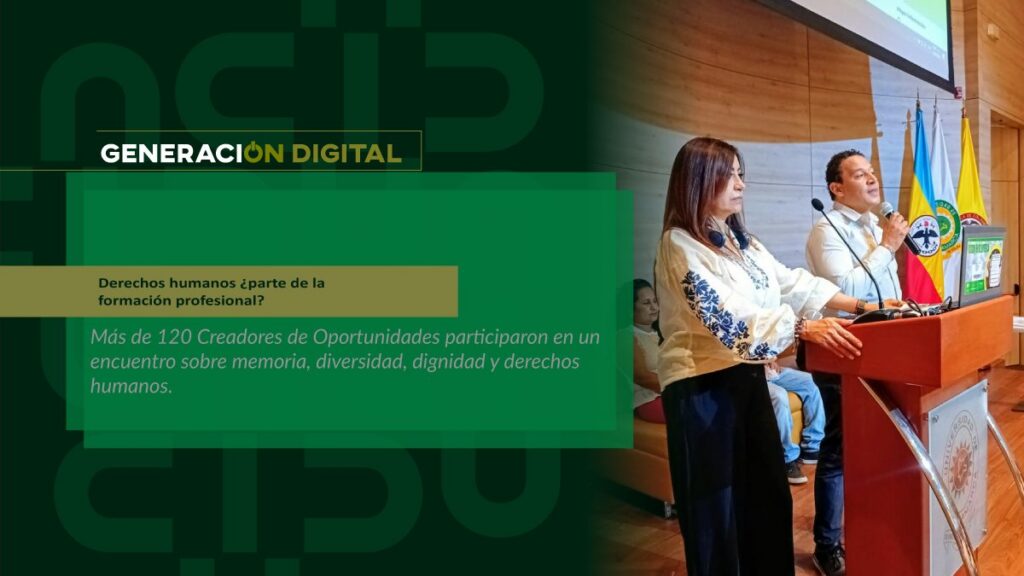
Human rights: part of professional training?
By: Alejandro García Suárez – Advisory Office of Communications


I am your virtual assistant, here to help you quickly and easily.
▲ Back to Top
By: Alejandro García Suárez – Advisory Office of Communications
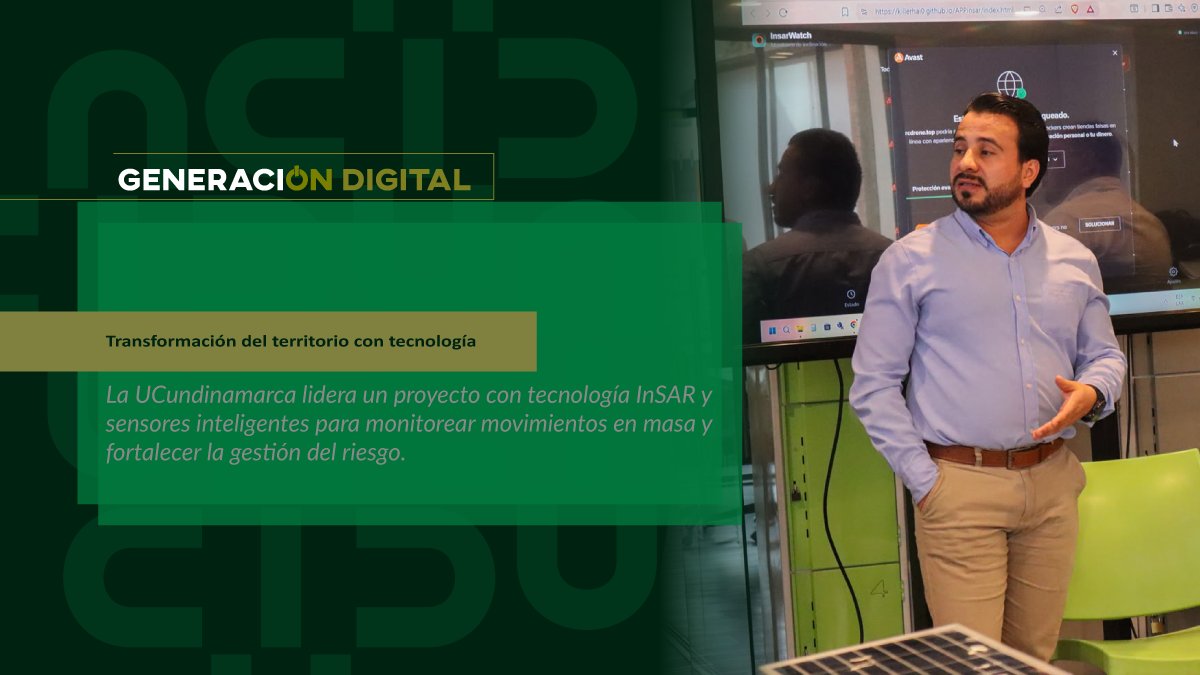
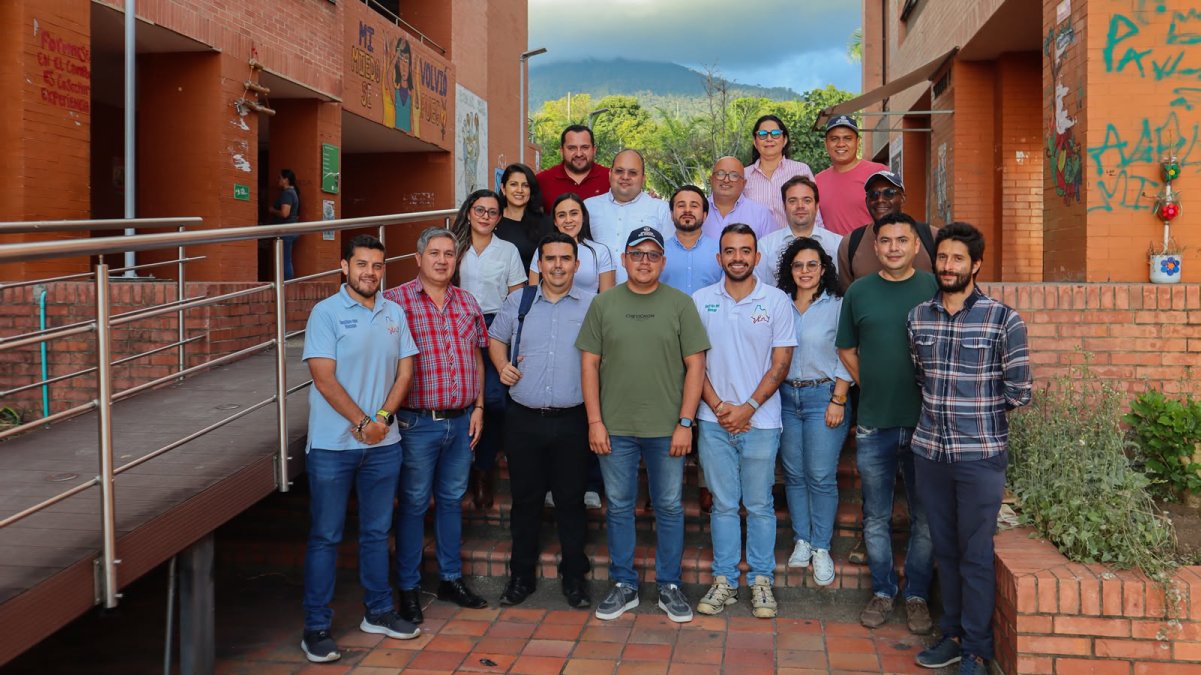
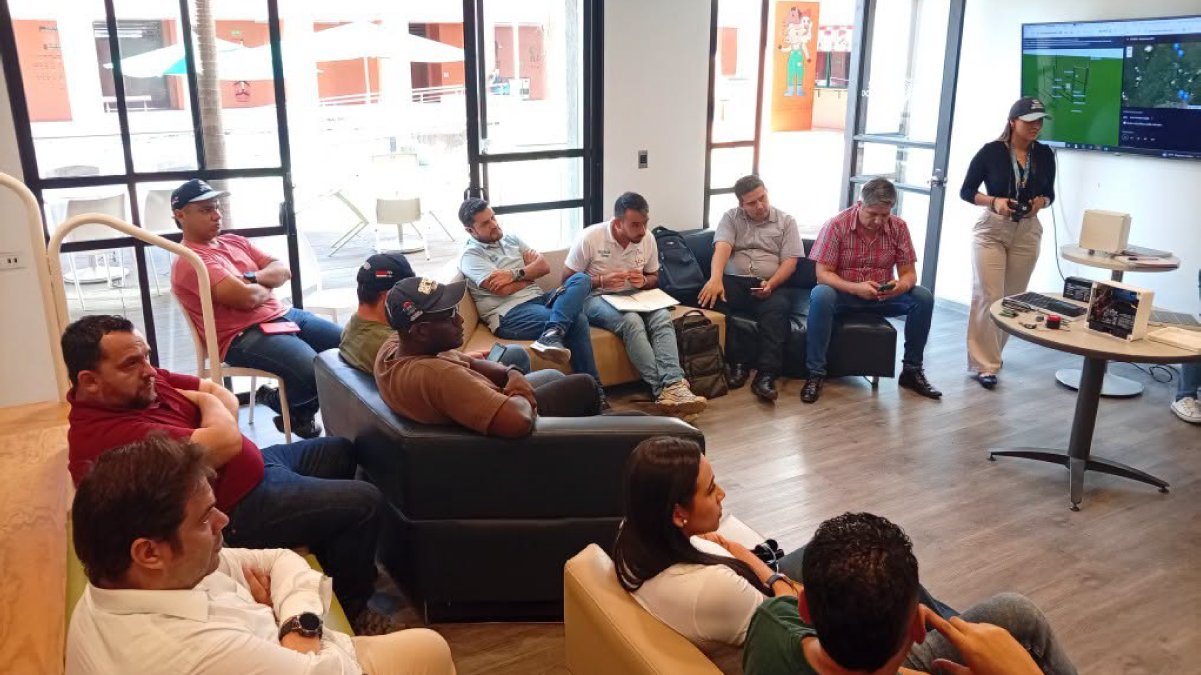
The Institution continues to consolidate its leadership in applied research serving the territories. At the Fusagasugá headquarters, a technical committee meeting was held to monitor the cooperation agreement developed by the Institution together with the Special Administrative Unit for Disaster Risk Management of Cundinamarca (UAEGRD), the Mayor's Office of Fusagasugá, Prodesarrollo Girardot and other allied entities, with the purpose of implementing a mass movement monitoring system using InSAR technology and smart sensors.
The initiative seeks to strengthen disaster risk management in municipalities such as Girardot, Fusagasugá, Quipile, Cáqueza and Silvania, through the development of technological tools that allow for the timely identification of unstable terrain conditions and contribute to emergency prevention.
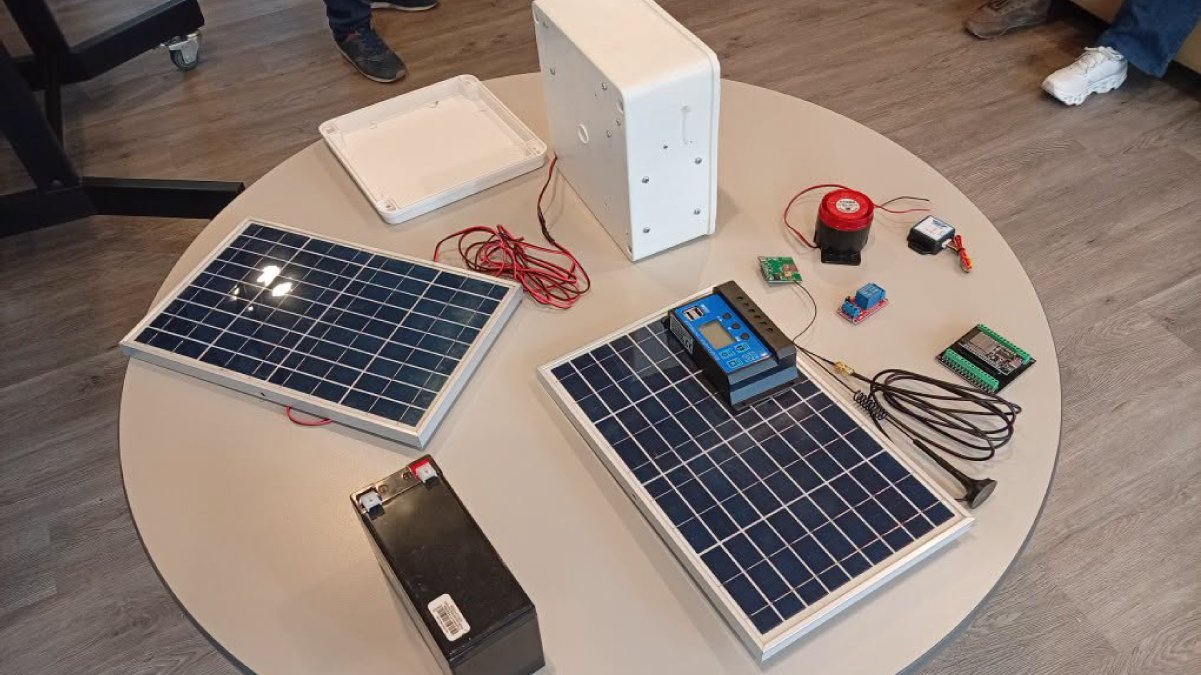
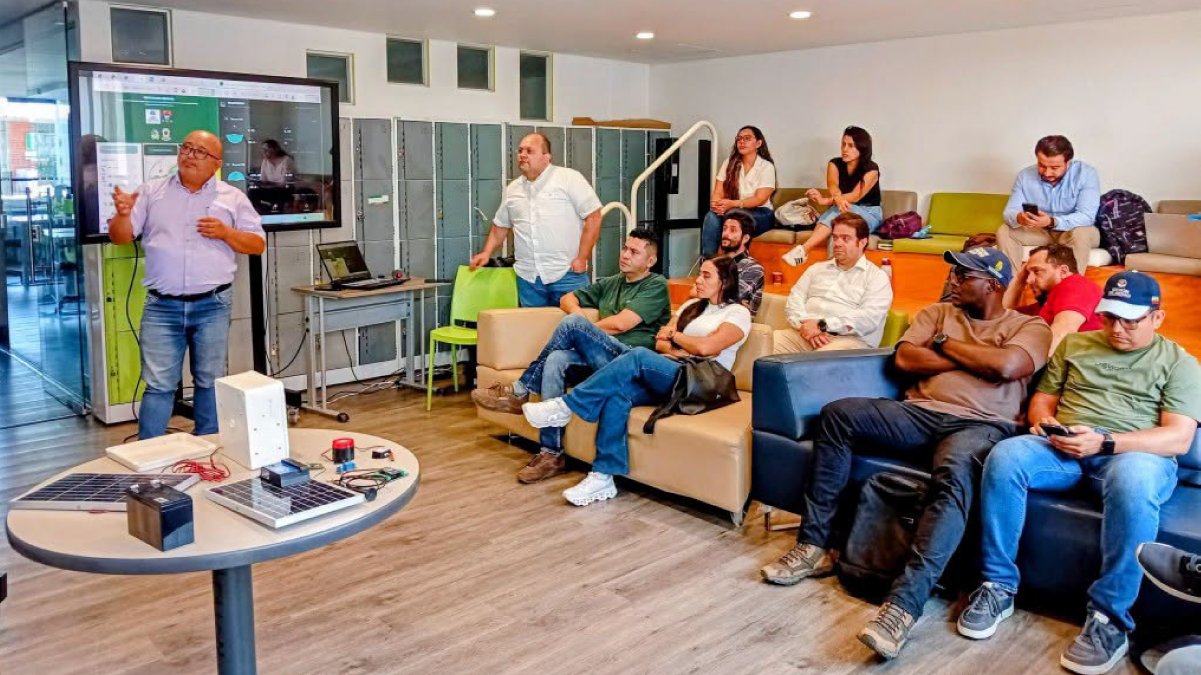
During the day, the main advances of the project were presented, among which the 100 % execution in the design of the electronic prototype stands out, a result that will allow the start of field operation tests and advance towards the implementation of an early warning system for the communities.
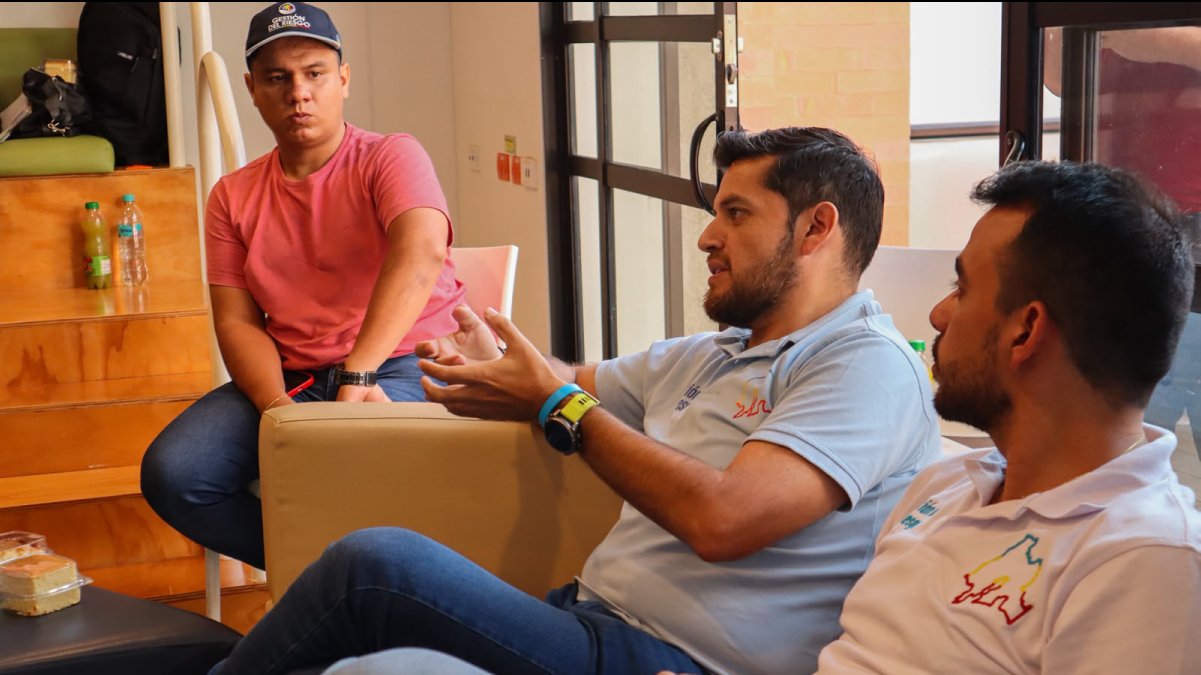
The Dean of the Faculty of Agricultural Sciences, John Alexander Moreno Sandoval, emphasized that this is a high-impact regional project because it addresses a real need in municipalities for natural disaster prevention. “This project demonstrates how research and knowledge can become solutions for local communities. Thanks to the collaborative work with the UAEGRD (Special Administrative Unit for Disaster Risk Management), Prodesarrollo Girardot, and the Mayor's Office of Fusagasugá, we have combined our capabilities to develop a prototype that will allow us to monitor landslides and provide tools to protect the lives of communities,” stated the Dean.
Moreno Sandoval explained that the progress achieved demonstrates significant development in the design of specialized sensors, the geological characterization of areas with high susceptibility to landslides, and the collaboration between academia, public institutions, and communities to strengthen territorial resilience.
For his part, William Eduardo Rozo Vargas, director of the Cundinamarca Special Administrative Unit for Disaster Risk Management (UAEGRD), emphasized the importance of collaboration between local government entities and the University to strengthen risk awareness. “The coordinated work between the departmental level, the municipalities, and the University of Cundinamarca is invaluable. The progress presented will allow us to consolidate early warning systems that will facilitate threat monitoring and strengthen fundamental processes such as risk identification, assessment, monitoring, and communication in our territories,” he stated.
In turn, the Director of Risk and Disaster Management for Fusagasugá, María José Garay, highlighted that the agreement is already generating results at the local level. “The project is progressing well. In Fusagasugá, we have already implemented ongoing monitoring in the Casa de Lata sector, an area with high-risk conditions, which allows us to strengthen prevention efforts and protect the lives of the communities,” she stated.
In addition to technological development, the agreement includes applied research processes, validation of electronic prototypes, geological characterization, social appropriation of knowledge and work with communities, consolidating an innovation model that integrates science, technology and citizen participation to face the challenges associated with mass movements.
With this project, the University of Cundinamarca reaffirms its commitment to generating knowledge useful to society, demonstrating that university research can become a strategic tool for territorial planning, risk management and sustainable development in Cundinamarca, in accordance with the principles of the Transmodern Digital Educational Model (MEDIT).
News
News
News
News