News
2026-09-24
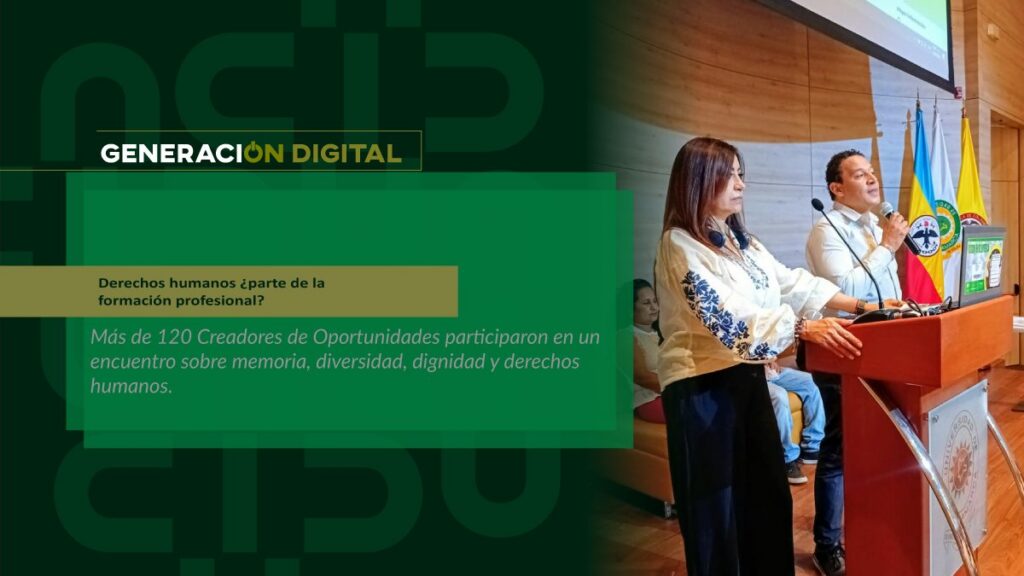
Human rights: part of professional training?
By: Alejandro García Suárez – Advisory Office of Communications


I am your virtual assistant, here to help you quickly and easily.
▲ Back to Top

Do you know people who can increase their muscle mass in just a few weeks? Did you know that many men use nutritional supplements to promote muscle hypertrophy? These are some of the questions that arose during an ongoing research project at one of the research groups within the Faculty of Sports Science and Physical Education at the University of Cundinamarca.
Viviana Hernández, Luisa Fernanda Cubillos and Lorena González, led by Professor Eliana Cuellar of UDEC, are conducting an interesting investigation into the consumption of some supplements to increase muscle mass in men.
The project is called, Possible effects on muscle hypertrophy with HMB supplementation in physically active men: a systematic review.
“HMB is a natural product derived from leucine; it is one of the 20 amino acids that allows for protein synthesis. We find it endogenously in some protein-rich foods such as dairy products, meats, and fish, among others,” said student Lorena González.
“To replace HMB levels in the body, we would have to exceed these amounts, which is not recommended. That's why the dose is between one and three grams per day, either before training to promote protein synthesis or after training to accelerate the muscle recovery process,” Lorena explained.
The benefits of HMB consumption are numerous; it increases body mass and muscle mass, and is relevant for enhancing muscle hypertrophy.
The students categorized the effects of HMB into four groups: muscle composition, muscle strength, muscle damage, and mitochondrial biogenesis.
“We saw significant increases in strength, it is related to muscle hypertrophy, it accelerates the effects of muscle damage… HMB can be complemented with other supplements such as creatine monohydrate which has effects on body composition,” said student Luisa Fernanda Cubillos.
Currently, the team from the Faculty of Sport Sciences and Physical Education is writing the article that will present the final results of the research. Part of their methodology involved searching for previously published articles (75 were found) written in different languages.
News
News
News
News