News
2026-09-24
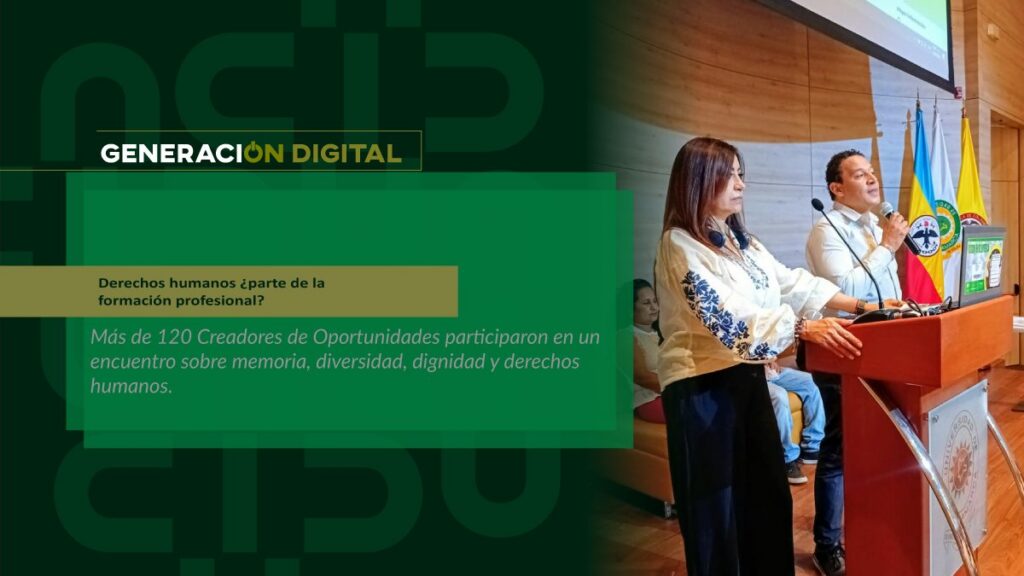
Human rights: part of professional training?
By: Alejandro García Suárez – Advisory Office of Communications



I am your virtual assistant, here to help you quickly and easily.
▲ Back to Top
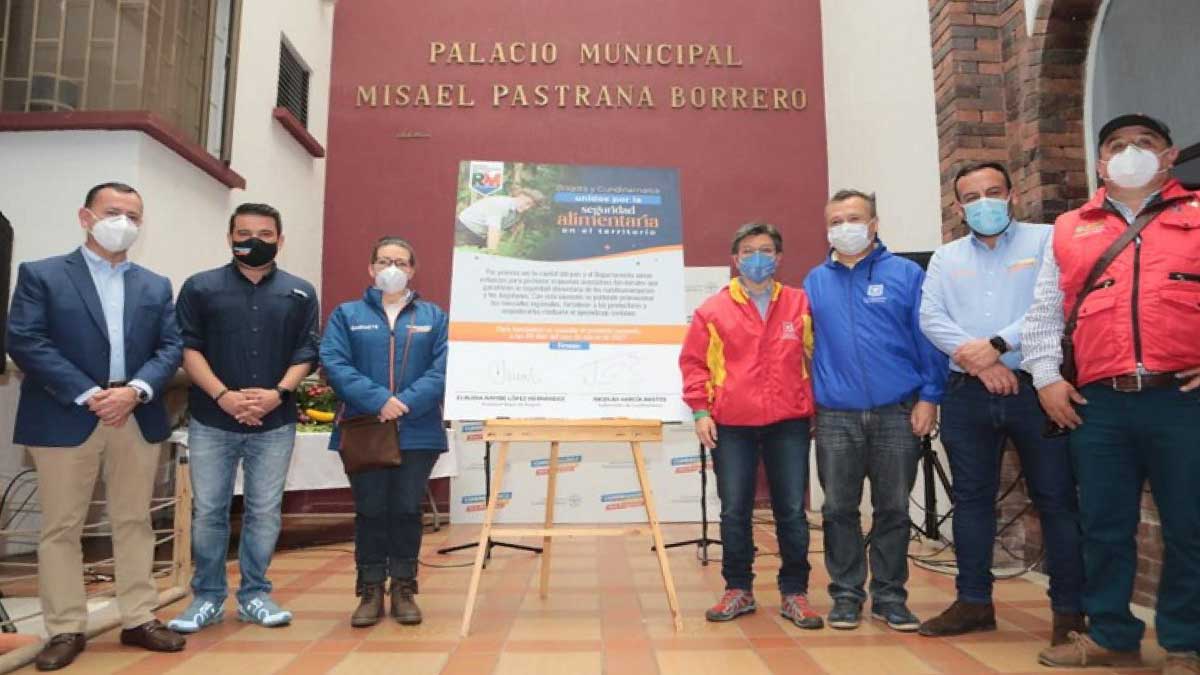
With a technical cooperation agreement to launch the Metropolitan Philharmonic System, the Mayor's Office of Bogotá, the Secretariat of Culture and the Bogotá Philharmonic Orchestra, as well as the Government of Cundinamarca and the Departmental Institute of Culture and Tourism seek to consolidate the musical training and expression of the region, the qualification of the training processes of Soacha, Choachí, Fómeque, Ubaque, La Calera, Guatavita, Cajicá, Zipaquirá, Tabio, Tenjo, Tocancipá, El Colegio, La Vega, Vianí, Facatativá and Fusagasugá.
“Any activity or program promoted by the governor's office, the mayor's office, or private entities that has an artistic focus will always be a great success for the department. Colombia is a country that traditionally disregards the arts, so much so that in every public or private institution, it is the first sector to suffer budget cuts. That is extremely serious because it deprives us of our humanity; so this and all initiatives of this kind are welcome,” said Juan Felipe Dávila, a professor in the Music program at UCundinamarca.
According to the Cundinamarca Governorate, this initiative will provide technical support for the formulation of the departmental music plan and other public policies in the sector, and will advance the proposal to promote the Metropolitan Region Philharmonic Orchestra.
The Orchestra and the Departmental Government conducted technical visits to identify the training potential in the municipalities included in the agreement. “This is about bringing the metropolitan region to life through training processes aimed at strengthening the artistic expression of children in the department, as well as laying the foundations for joint work between Bogotá and Cundinamarca to give a deep and cultural meaning to the metropolitan region,” said David García, General Director of the Orchestra, who led the creation of the entity's training project.
“The project will be led by the Bogotá Philharmonic Orchestra, and I assume it will support or try to strengthen the musical processes in the municipalities where it will be implemented. I would hope that they would take into account the existing workforce in the cultural centers and houses of the municipalities and that it wouldn't replace them, but rather that through courses or similar activities, they would strengthen professional training, both methodological and disciplinary,” said Professor Juan Felipe.
Luisa Aguirre, Manager of the Cundinamarca Departmental Institute of Culture and Tourism, stated that “Culture has always been the benchmark that unites nations and transforms the social fabric. Today we unite around music to consolidate and strengthen the orchestral processes of Bogotá and Cundinamarca as the strongest region in artistic training processes in the country.”.
Commitments to children and young people
According to the agreement, the Orchestra will contribute by exchanging methodologies, teaching materials, scores, booklets, programs, and curricula, among other resources, to train these teachers. It will also develop musical projects in collaboration with municipal governments.
The Cundinamarca Departmental Institute of Culture and Tourism committed to promoting the participation of its musicians and training artists in the corresponding spaces and in the musical training of children, adolescents and young people, in the development of the exchange activities agreed with the Orchestra.
Likewise, it will foster the exchange of knowledge between the musical training programs developed by the parties, including the exchange of pedagogical material, scores, booklets, programs and curricula.
“Strengthening these introductory and training music programs directly impacts the music program at UCundinamarca, establishing both a tacit and intentional relationship of codependency and cooperation. They train increasingly talented young people who are interested in becoming professional musicians, and we are the closest and most affordable quality option in the region. Then our graduates return to those institutions, but as leaders of those educational and artistic processes, no longer as students, thus creating a very articulated and efficient symbiosis,” said the UCundinamarca professor.
UCundinamarca has believed in the talent of the region's youth for several years, offering the Music program as an academic space at the service of the artistic, social and educational needs of the community in its different areas of interaction, through the exercise of teaching, research, extension and the consolidation of a culture of continuous improvement.
News
News
News
News