News
2026-09-24
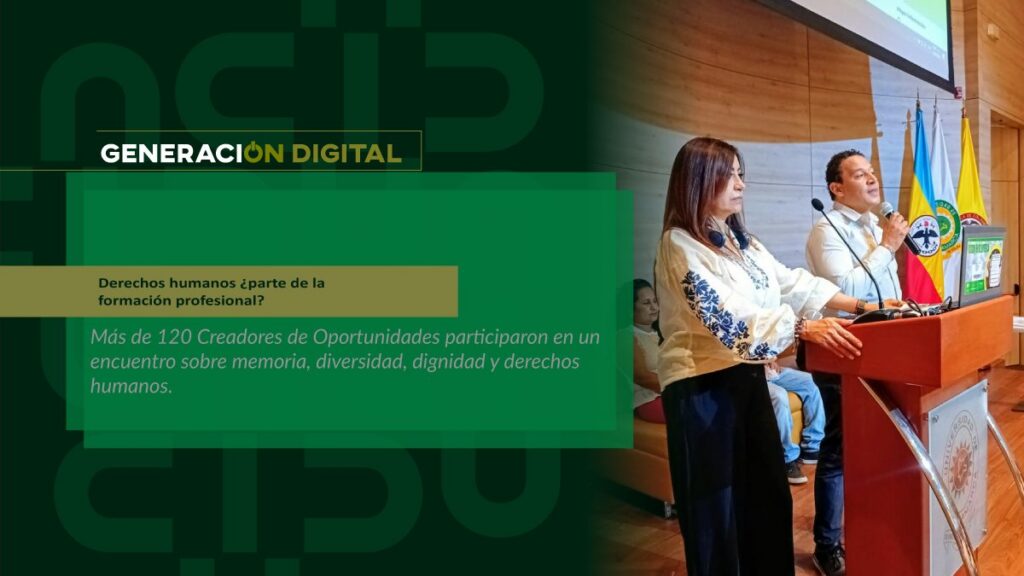
Human rights: part of professional training?
By: Alejandro García Suárez – Advisory Office of Communications



I am your virtual assistant, here to help you quickly and easily.
▲ Back to Top

The University of Cundinamarca remains committed to holding academic events that allow the continued training of professionals based on the realities of the workplace and not just on theory.
For example, Covid is the current disease that has led to a change in the vision of life and therefore, of the members of the health sector who had to strengthen their capacity for humanization towards the patient.
The nurse is the person who is with the patient who has coronavirus almost all the time, accompanies him during his care and becomes the constant companion in his hospitalization.
Thus, there are two points of view on humanization: the first is how the patient should be cared for, and the second is how the physical and mental health of the nurse should be monitored.
“There is a difference between patients who have Covid and those who do not, since those suffering from the current pandemic are alone, we do not give them time to say goodbye to their relatives, even the relative does not grieve as they normally should because sometimes they do not have a body and they are given the ashes,” said Karina Hernández Flórez, a Mexican nurse who participated in one of the virtual events of the University of Cundinamarca.
She believes the following premise is key to delivering the best as nurses during care: Treat them as you would like to be treated.
“It’s important to listen to them and touch them, although one of the guidelines is to avoid getting too close to the patient, but as nurses it’s inhumane to do so. You can even pray with them, support them, and make video calls with their families,” said Karina Hernández, head of the certification committee at the Sonoran College of Nurses AC.
The above is important, but have you ever wondered how to humanize care for nurses? This question may seem curious to many, but it's extremely important to consider them, as they too bear a daily mental and physical burden in their work.
Therefore, it is worth reminding team leaders that they must keep an eye on the nurses so that they can give their best every day.
“It’s easy, I simply call on the immediate supervisors of those who give their all for the patients. I recommend that they approach them and talk to them, thank them for being here, touch their shoulder, and show concern for them because they leave feeling agitated,” said Karina Hernández Flórez.
Finally, it is important to remind the authorities not to leave the nurses alone so that the moment does not come when they are physically and morally exhausted, "sooner or later we are going to get tired and without nurses hospitals are useless.".
News
News
News
News