News
2026-09-24
Human rights: part of professional training?
By: Alejandro García Suárez – Advisory Office of Communications



I am your virtual assistant, here to help you quickly and easily.
▲ Back to Top

Miguel Alejandro Flechas Montaño, administrative director of the Ubaté branch of the University of Cundinamarca, was in charge of starting one of the most important events of the moment since its purpose is to modernize the dairy sector.
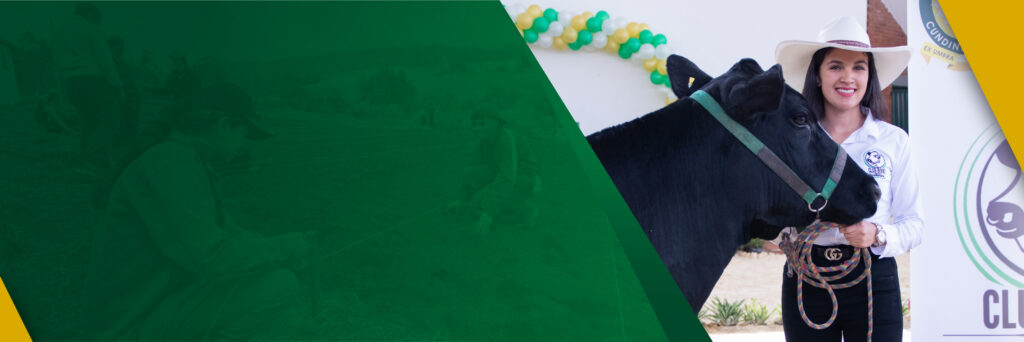
This is the 1st International Dairy Congress and the 2nd Departmental Dairy Congress, which this year brings regional, national and international guests with extensive experience in the sector.
“On behalf of the rector, I am pleased to extend a warm welcome to all those present, especially to the dean of the faculty of agricultural sciences, Vilma Moreno,” stated the administrative director of the Ubaté branch of the university.
“Topics to be covered include dairy production in the tropics; high quality and safety of dairy products; the physiology of reproduction; pasture renewal, rotation and management; ration formulation and good livestock practices, among others,” Flechas said.
The event ends on November 6th and is being broadcast via the Facebook fan page: UCundinamarca Seccional Ubaté.
This final session will cover the use of non-antibiotic promoters and other additives in dairy production, feed conversion in lactating cows, passive immunity transfer, the importance of energy metabolism on productive efficiency and profitability in grazing dairy cows, and many more topics that will help the development of the dairy sector.
“Committed to MEDIT, which is about educating for life, democratic values, and freedom, the University of Cundinamarca has provided this space to foster and learn from dairy producers in the region, professionals, industry entrepreneurs, associations, and our students, so that they are at the forefront of information on such an important topic in the so-called dairy capital,” Flechas explained.
Currently, the dairy sector represents 2.3% of the national GDP and generates thousands of jobs; however, it has been affected by important factors such as climate change, which generates droughts and prolonged winters, affecting producers.
News
News
News
News