News
2026-09-24
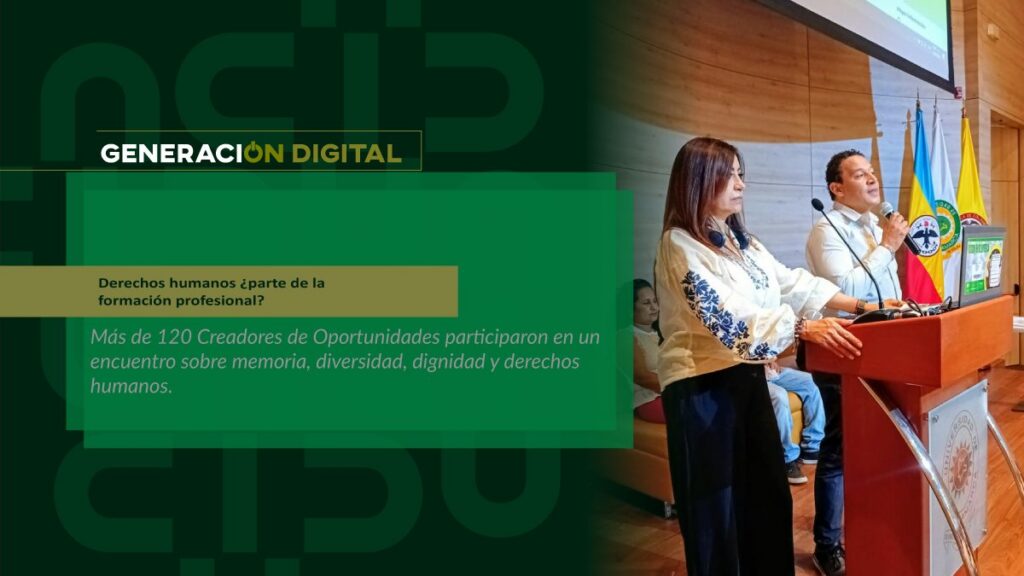
Human rights: part of professional training?
By: Alejandro García Suárez – Advisory Office of Communications



I am your virtual assistant, here to help you quickly and easily.
▲ Back to Top
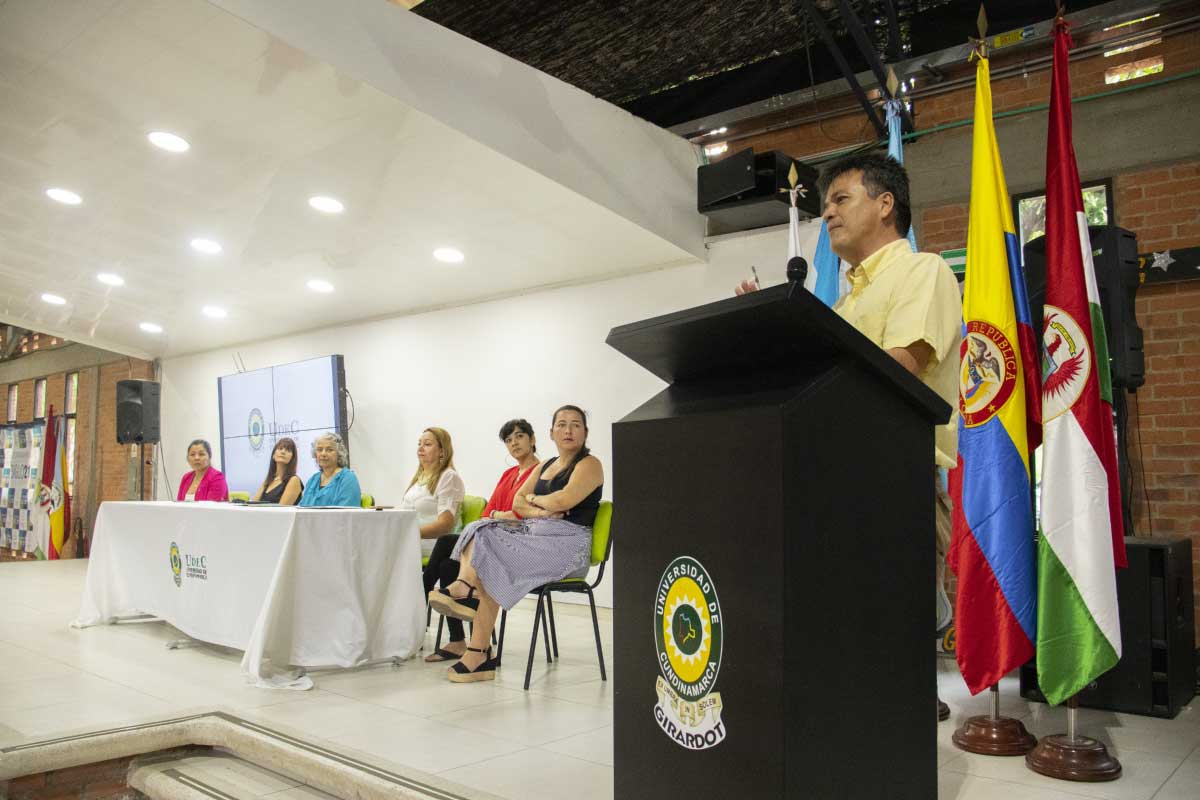
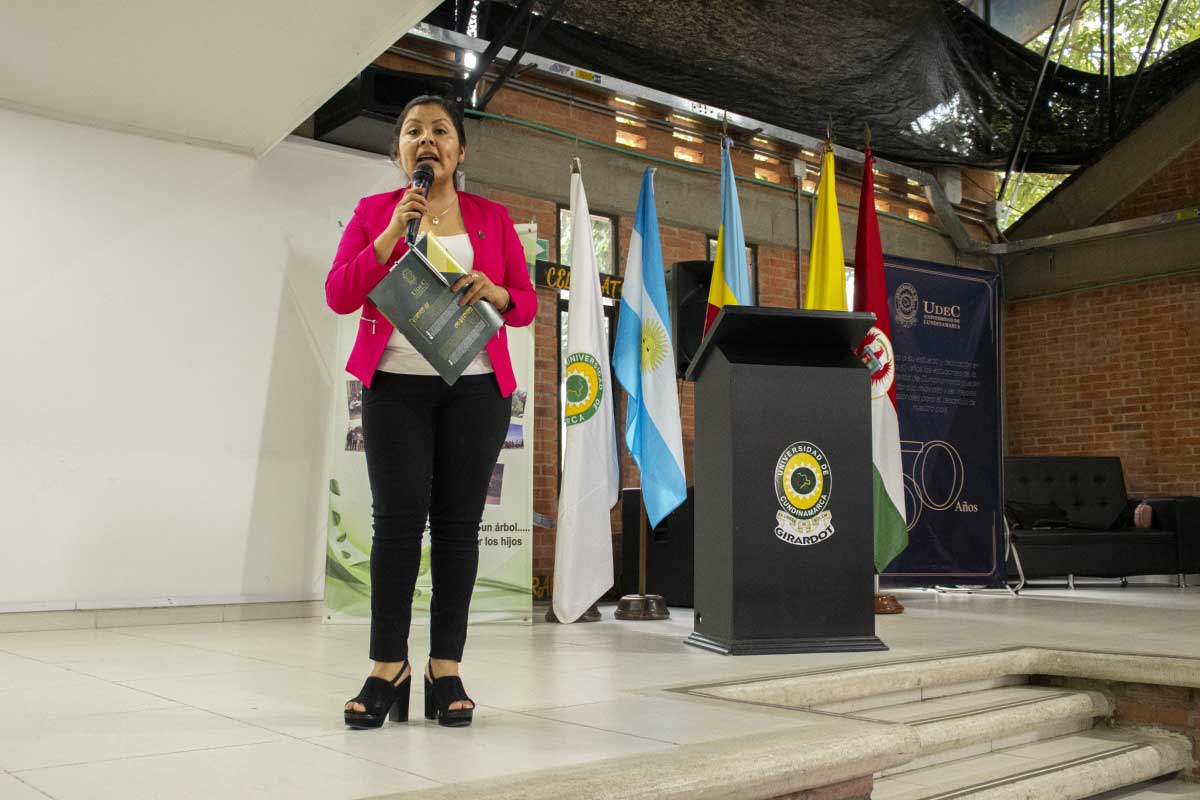

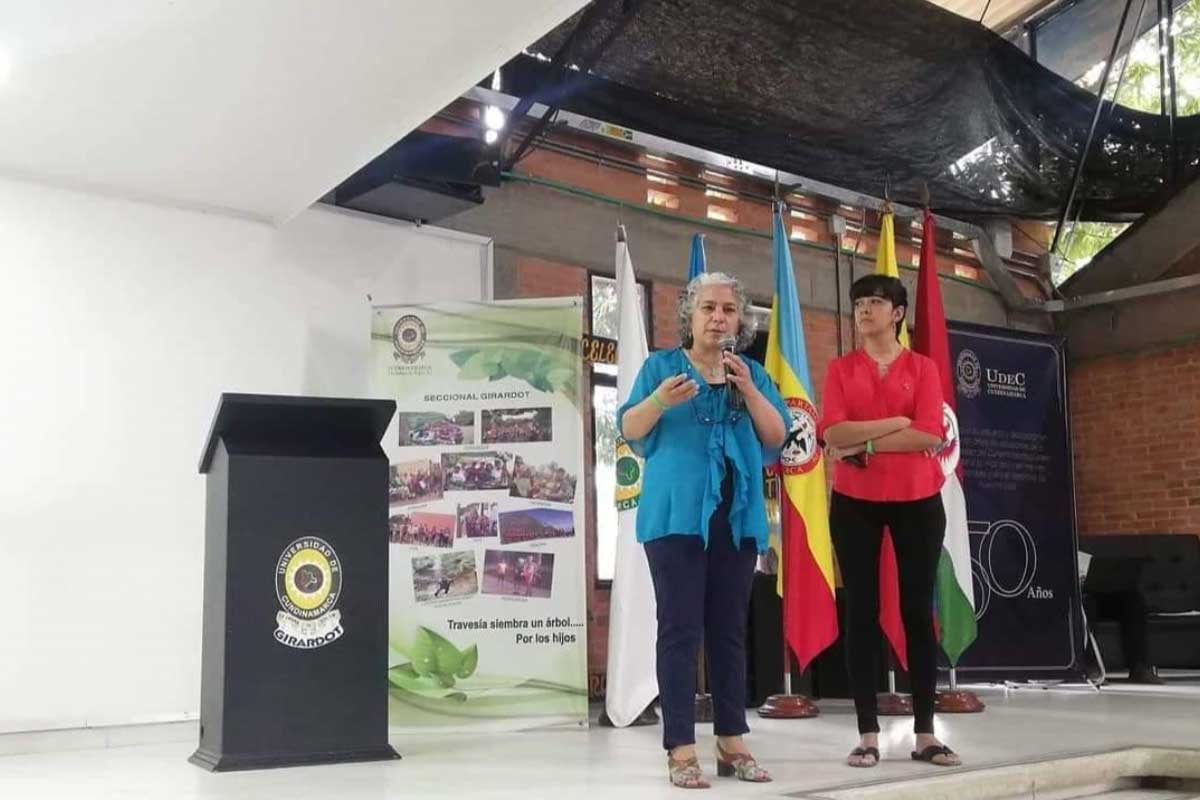
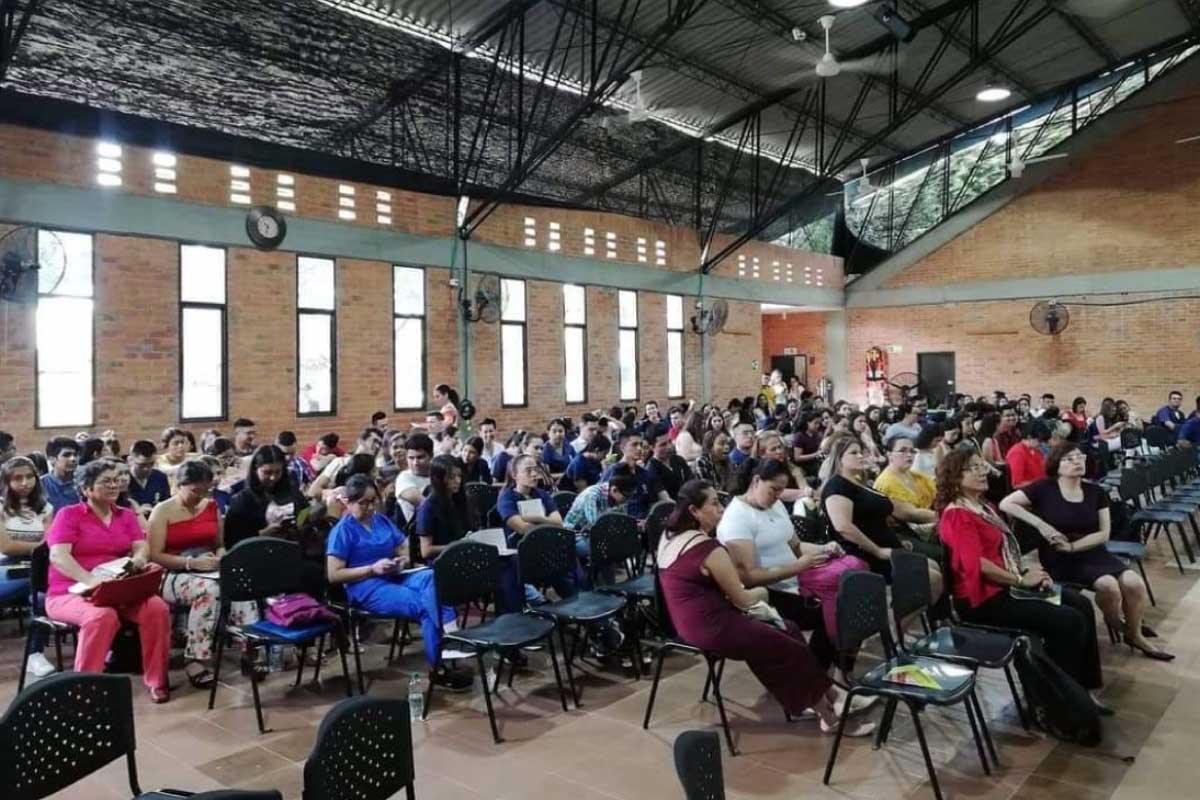
Aging in Colombia and around the world poses major challenges for governments, communities, families, and the nursing profession in terms of comprehensive care for vulnerable older adults.
The International Nursing Congress held in Girardot presented a global and national overview of the elderly population. In Colombia, the population aged 60 and over is increasing. Between 1985 and 2013, the total population in this age range rose from 2,143,109 to 3,815,453. The growth rate averaged 3.181% per year. By 2015, the elderly population had grown to 3.511% per year, and by 2020, this demographic increase is estimated to reach 3.761%.
According to the data presented at the academic event, between 1964 and 2010, a demographic transition was evident in the country; that is, the total population grew by 21%, while the population aged 60 and over increased by an average of 3.51% annually; this indicates the increase in aging in Colombia.
The aging of the country is being caused by a reduction in the fertility rate, caused by social, economic, and work-related factors, personal growth, or trends in modern life that lead couples to consider declining the possibility of becoming parents, resulting in a reduction of the child population and an increase in the population over 60 years of age.
Colombia is an aging country, and according to DANE (National Administrative Department of Statistics), the population over 60 years old has increased from 9.1 million thirteen years ago to 13.4 million, representing an increase of nearly 50 million. Manizales, Bogotá, and Santander have the highest concentrations of the elderly population.
Currently, for every 100 working-age people, there are 21 older adults. A report by DANE (National Administrative Department of Statistics) indicates that efforts should be made to develop a well-being and inclusion approach for this population, which is so important to the country. Geographically, in Colombia, the aging phenomenon is most pronounced in the Coffee Region, Tolima, Bogotá, and Santander.
Other reflections at the Congress
According to Paola Pinilla, a master's degree holder in nursing and a professor at the University of Chubut, Argentina, caregivers of older adults must have the necessary tools for excellent care in order to strengthen the protective factors of a dignified, active, and healthy old age.
“Globally, the elderly population is increasing. In Argentina, for example, life expectancy is 771 years compared to the global average of 701 years, demonstrating that our population is aging. Given this situation, strategic programs must be created within public policies to protect the elderly.”, Pinilla pointed out.
Furthermore, the congress addressed the main challenge for nursing in Colombia, and leadership in research on health, education, and workplace issues that contribute to the country's development, presented by Dr. Cecilia Vargas González, President of the Colombian Nursing Association (OCE)..
“Nursing must be a field of empowerment within the realm of national policy. The profession must unite around its organizations, defending dignified and decent work for nurses, which includes, among other things, labor regulations for the health sector, and especially for nursing, and a policy for training nursing professionals that aligns with the health needs of the population, not with the interests of the business.”, Vargas González pointed out.
Another topic presented at the congress was therapeutic self-care in the experience of chronicity, and the references and criticisms of the biomedical model and the need to consolidate a health model based on prevention, in the face of the high costs that the cure represents; led by the teacher Madelein Olivella of the University of Tolima.
“At the Ibagué Health Unit, we have approximately 3,000 patients with chronic illnesses, and a percentage of these have cardiovascular disease, which means they should have a check-up every two months. However, up to six months can pass without a patient being seen. We can't keep up with all the patients enrolled in the program.” a medical professional from the program pointed out.
At the end of the academic event, nursing students presented 15 research projects as part of the Second Meeting of Research Seedbeds in Health. Other topics covered included: the use of technology in the safe administration of medications; factors associated with the non-use of contraceptives among school-aged adolescents; realities surrounding HPV; and responsibility as an ethical and legal commitment, among others.
The congress took place on October 31 and November 1 at the Girardot branch, under the leadership of the Faculty of Health Sciences and the Nursing program.
News
News
News
News