Fusagasugá Branch
2026-09-24
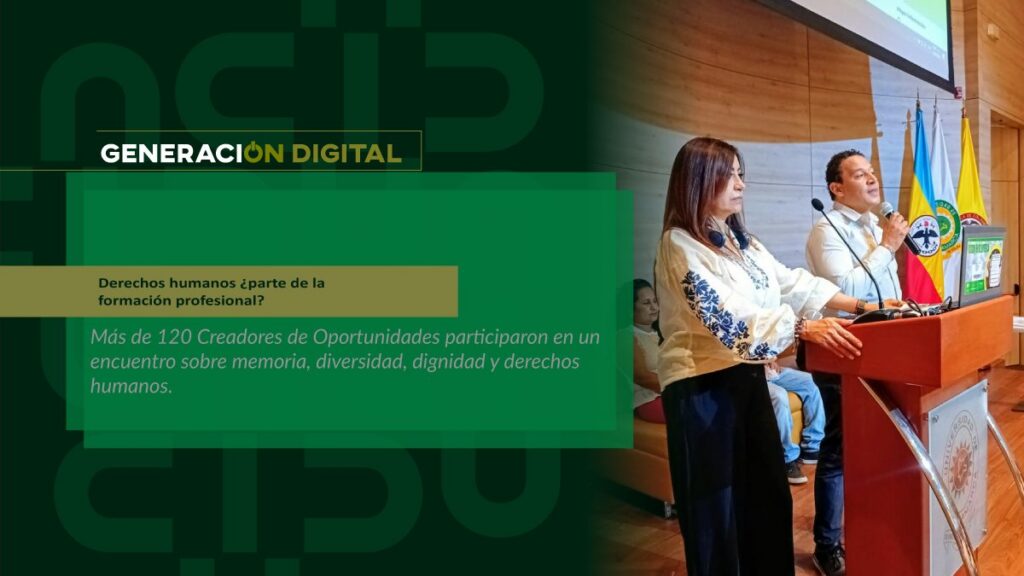
Human rights: part of professional training?
By: Alejandro García Suárez – Advisory Office of Communications



I am your virtual assistant, here to help you quickly and easily.
▲ Back to Top
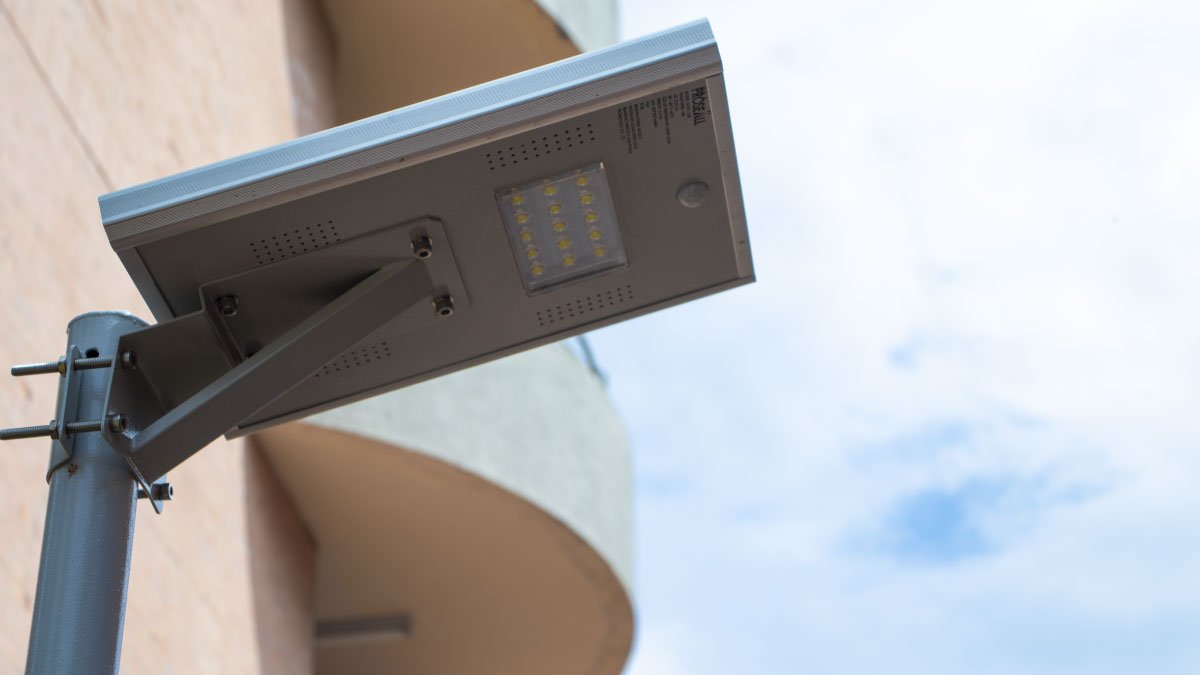
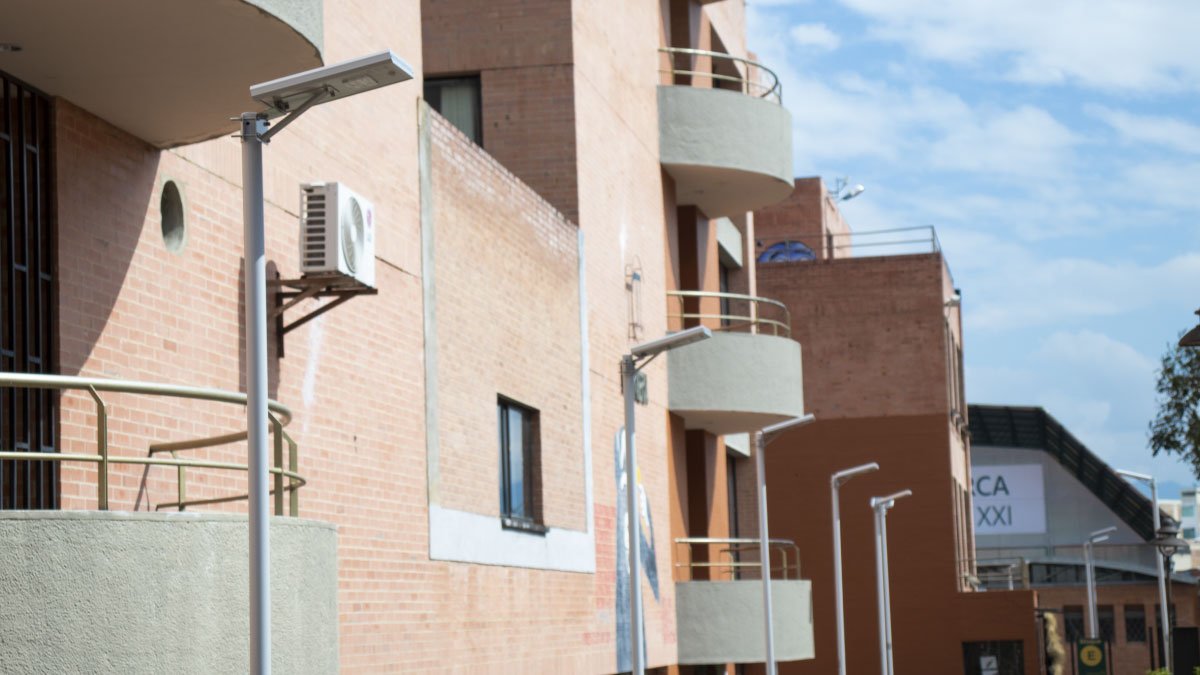
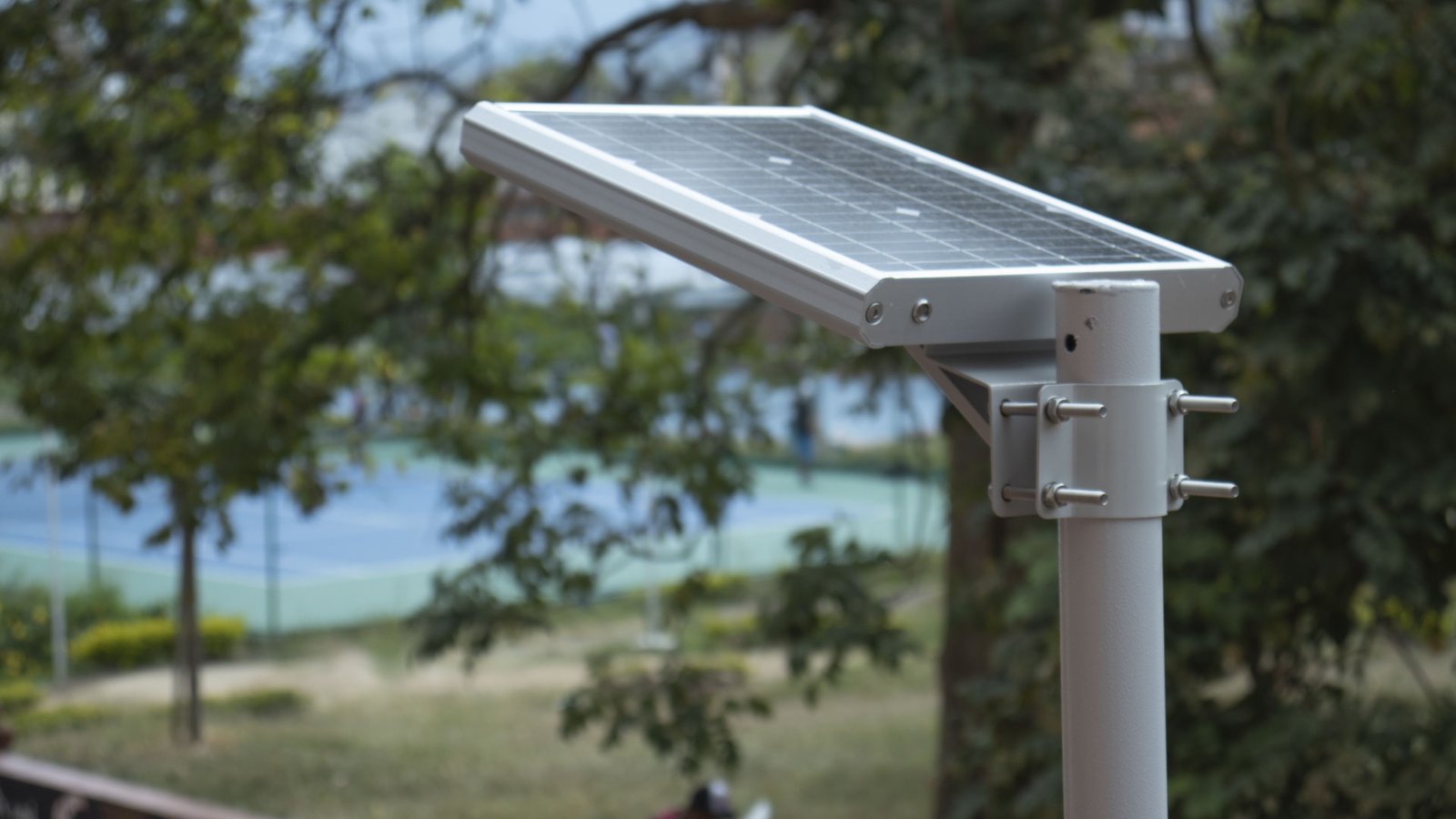
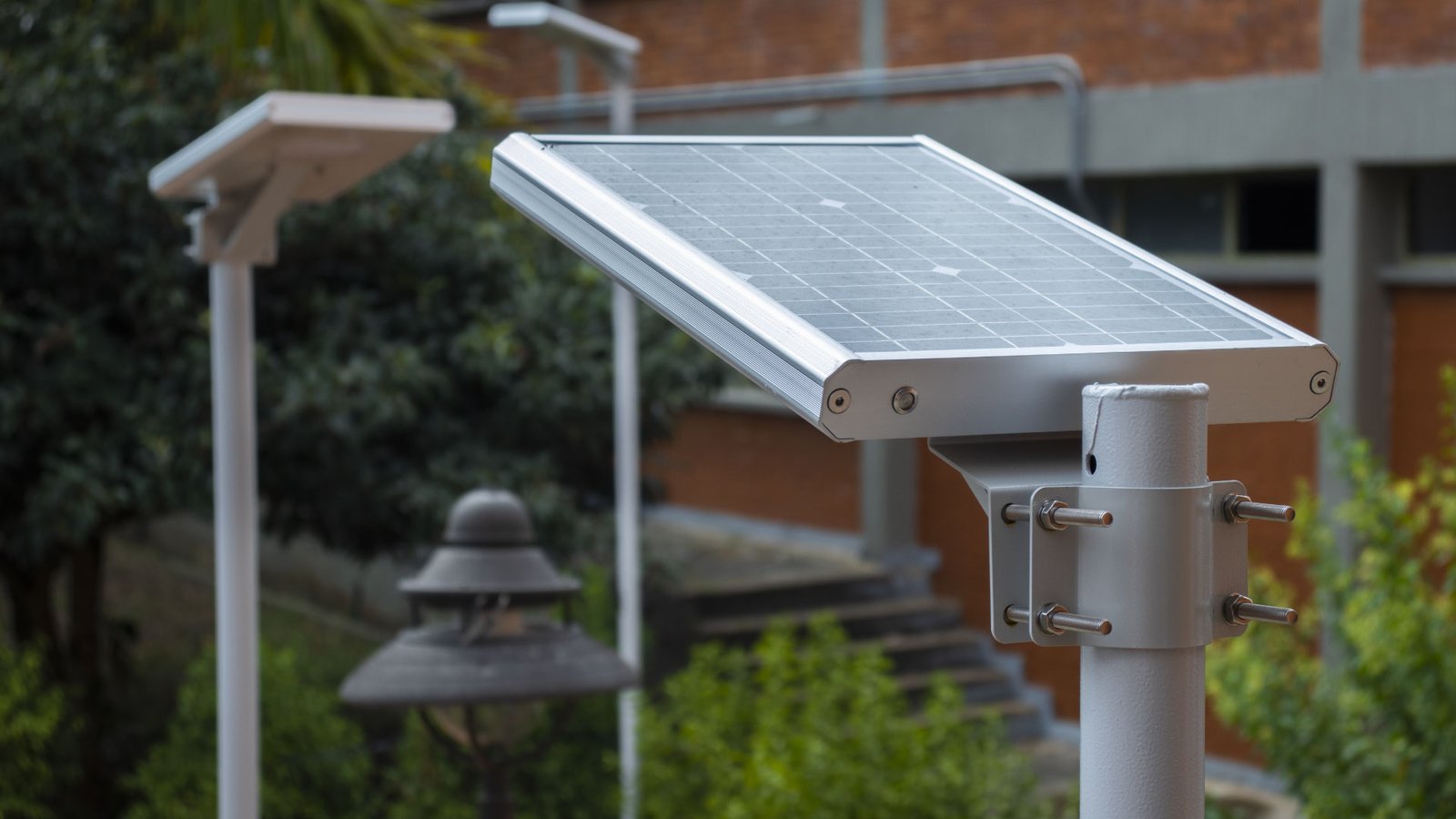
The LED lights were installed on the pedestrian paths between the E and F educational blocks, the basketball coliseum and part of the eastern side of the soccer field. They have a monocrystalline silicon solar panel, a power of 15W and a lifespan of 50,000 hours estimated over 25 years, with a use of 12 hours per day.
The project has installed 150 luminaires, however, the installation of 176 is planned, with an investment of $413 million, from which a reduction of environmental impact and low energy consumption is expected with the implementation of the LED luminaires, estimating a monthly savings of $2,386,944, that is, $28,643,328 per year.
The LED technology installed at the university reflects energy efficiency. The lights have two sensors: a light sensor that automatically turns them on when sunlight is no longer present, and a motion sensor that increases the brightness when it detects people passing by; otherwise, they remain dimly lit.
Each light fixture is designed for 12 hours of daily operation for every six hours of full load. This means that if the lights are turned on around 6:30 pm, they are expected to illuminate until 6:00 am the following day. Additionally, motion and light sensors help to improve efficiency.
The lights feature a 15W LED bulb, a 12V/13AH lithium battery with a six-hour charging time and an estimated lifespan of five years. The solar panel recharges this battery via an integrated charge controller.
“The environmental management policy of the University of Cundinamarca seeks the conservation and preservation of the environment through continuous improvement, efficiency in its processes, activities and services, promoting a responsible culture in the use of energy, use of materials, use of water and management of waste derived from its activities, in order to achieve institutional and regional sustainable development,”, Marisol Alvarado Castillo, Head of Physical Resources and General Services at the University, points out.
It should be noted that the luminaires were installed at a height of four meters with an interdistance between 7 and 10 meters, which complies with the lighting parameters of public lighting required by the Technical Regulation of Lighting and Public Lighting – RETILAP, for sidewalks, paths, walkways and pedestrian promenades in parks classified as type C3 for a path width of 4 to 5 meters guaranteeing a minimum of 15 lux and a general uniformity Uo > 33%.
In its efforts to optimize the institution's economic and energy resources, the University has sustainable projects underway to harness solar energy through solar panels and implement LED technology at its Girardot campus. It is also analyzing the feasibility of a water reuse project for drip irrigation and the replacement of interior building lighting with LED technology at the campus.
It is worth noting that the university's policy of Environmental Management System, has been advancing infrastructure, academic and cultural actions for sustainable development to raise awareness among the student and institutional community about environmental conservation and the shared responsibility for caring for the planet, focused on certification in the ISO 14001 standard in its 2015 version, a document that certifies UCundinamarca in the care and protection of the environment.
News
News
News
News