Fusagasugá Branch
2026-09-24
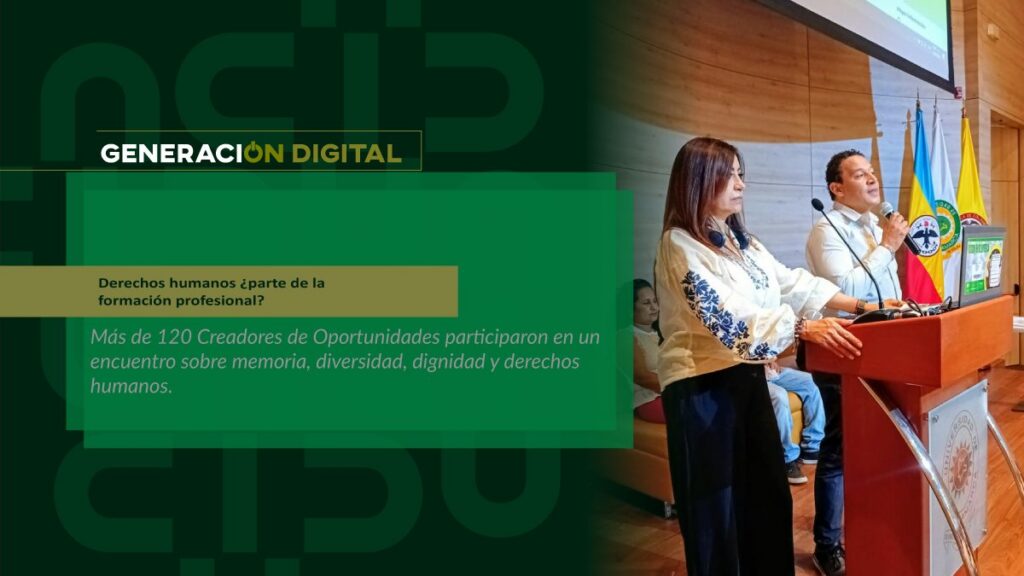
Human rights: part of professional training?
By: Alejandro García Suárez – Advisory Office of Communications



I am your virtual assistant, here to help you quickly and easily.
▲ Back to Top
By: Alejandro García Suárez – Advisory Office of Communications
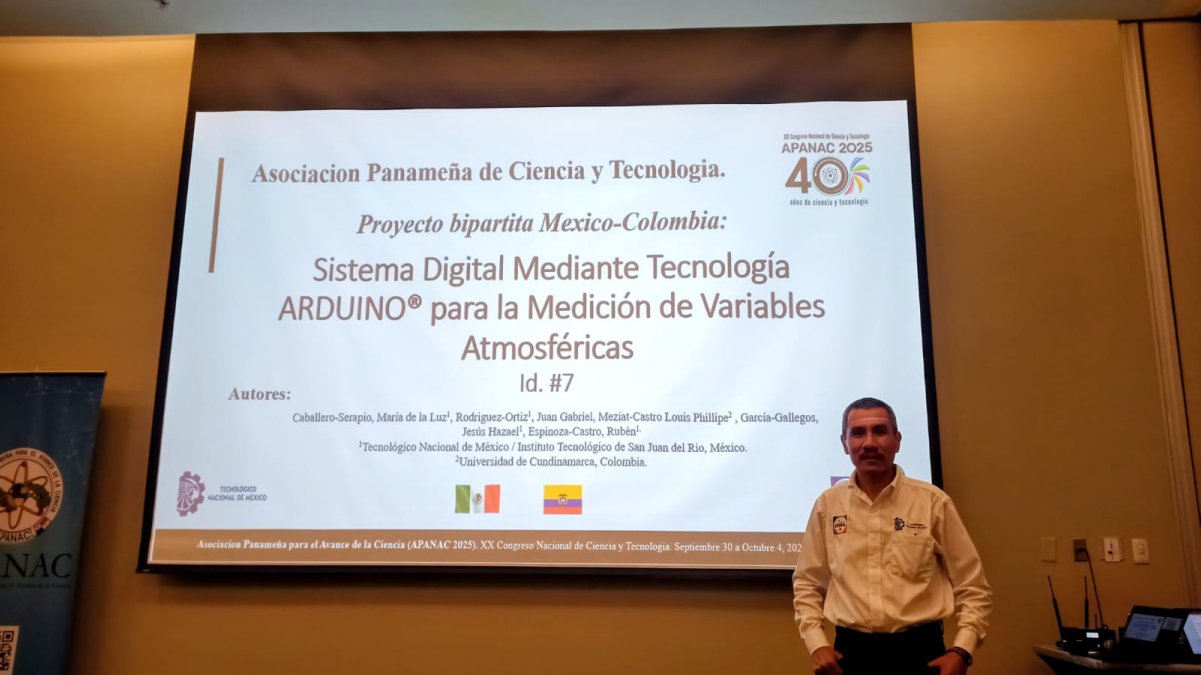
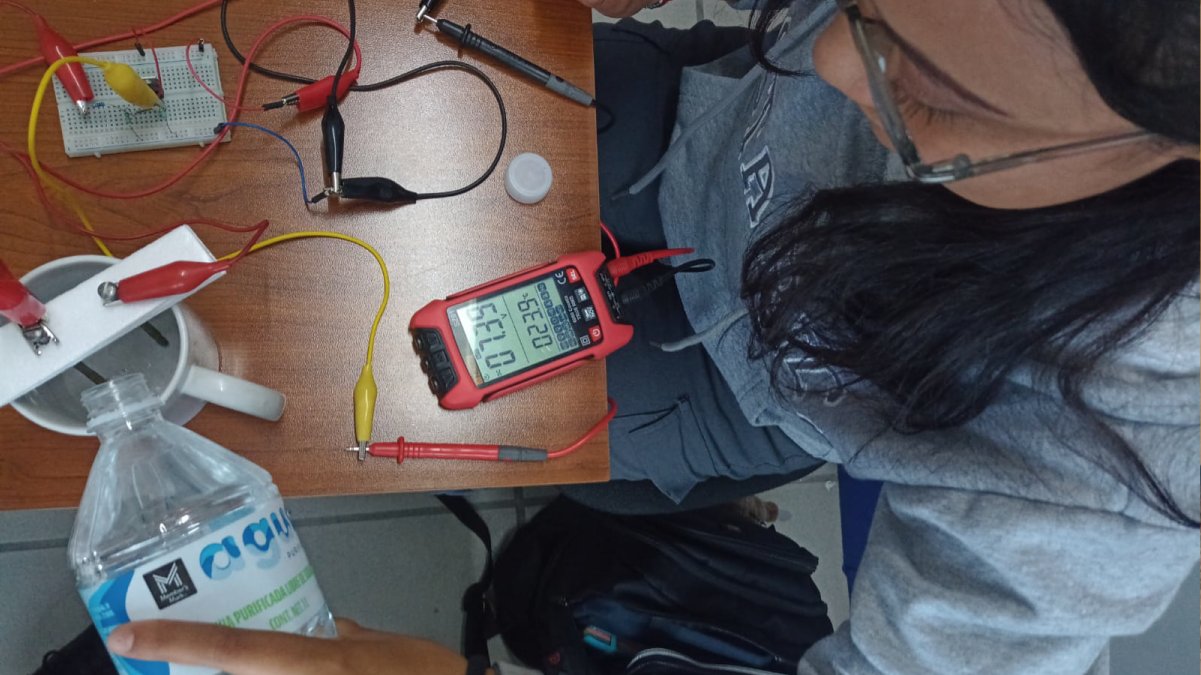
The University of Cundinamarca and the Technological Institute of San Juan del Río (Mexico) are making progress in the design and construction of a digital system using Arduino technology for measuring atmospheric variables. This binational project strengthens applied research and contributes to environmental monitoring from a sustainable and technological perspective.
Louis Phillipe Meziat Castro, researcher and Knowledge Manager of the Electronic Engineering program in Fusagasugá, leads this initiative that arose from a profound reflection: “Electronic Engineering is a universal language. The science we apply, the technology, and the concepts are universal and apply exactly the same in both Colombia and Mexico.”.
The researcher explained that together with the Mexican professor they decided to "put these concepts into practice and make a joint development that benefits a global problem, climate change.".
Meziat Castro emphasized that “the contributions of the University of Cundinamarca are substantial: human talent, knowledge, development, facilities, and equipment.” This project demonstrates that “engineering is a universal language” and that Electronic Engineering students have “the skills and knowledge to research and contribute solutions to global problems.”.
The system measures temperature, humidity, barometric pressure, air quality, lighting, wind speed and direction, without requiring an internet connection. Its modular design allows for the addition of new sensors and expanded analytical capabilities.
Juan Gabriel Rodríguez Ortiz, a teacher at the Technological Institute of San Juan del Río, Mexico, emphasized that "collaboration is especially important because it allows for the exchange of knowledge, given that the language of engineering is universal.".
The Mexican academic highlighted that the project strengthens “the development of theoretical and practical skills among students within a global environment” and creates “lasting knowledge networks between institutions beyond borders.”.
Rodríguez Ortiz pointed out that this collaboration generates significant experiences in technological innovation, fostering "critical and analytical thinking towards technological problems" and promoting "creativity in the search for innovative solutions.".
A bipartite project like this “allows for the development of a multidisciplinary approach, which is essential to address current technological challenges,” as well as creating “a personal connection between students from both institutions within a technological environment.”.
Daniel Santiago Cajamarca, a tenth-semester Electronic Engineering student participating in the project, valued the experience: “It allowed me to share ideas with the group from Mexico, learn about their perspectives, and reflect on how we face the same challenges from different contexts.”.
The student emphasized that “teamwork helps generate new ideas and strengthen communication skills. It was an experience that motivates me to continue participating in international events.”.
International recognition
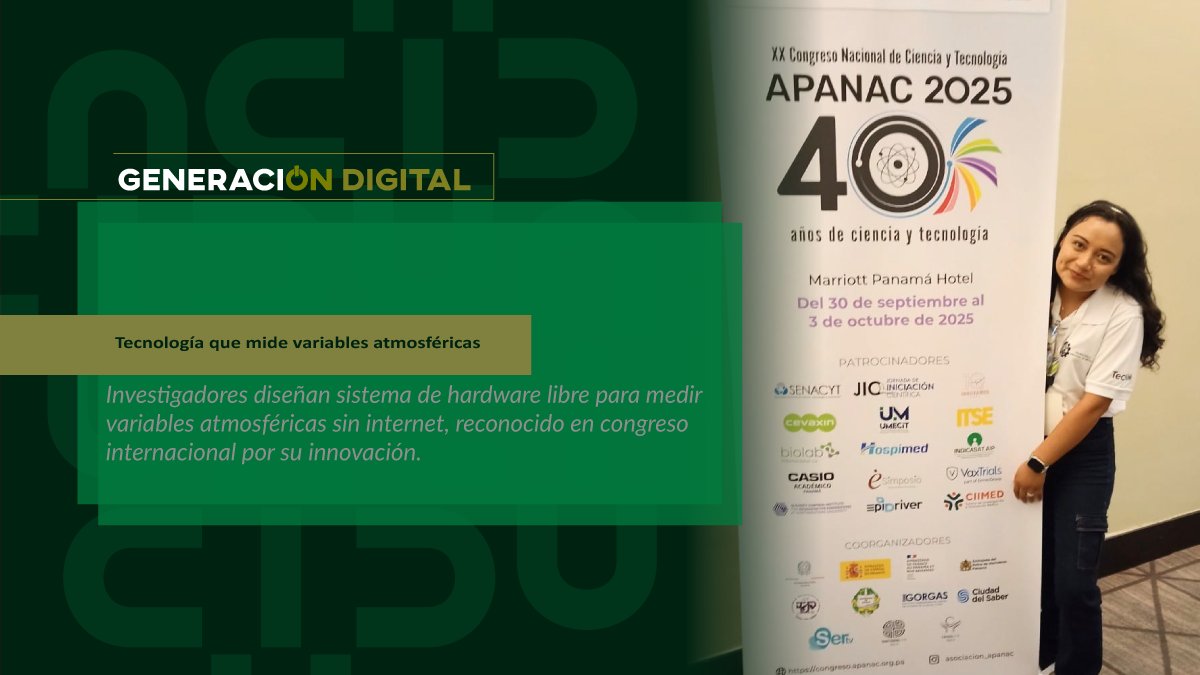
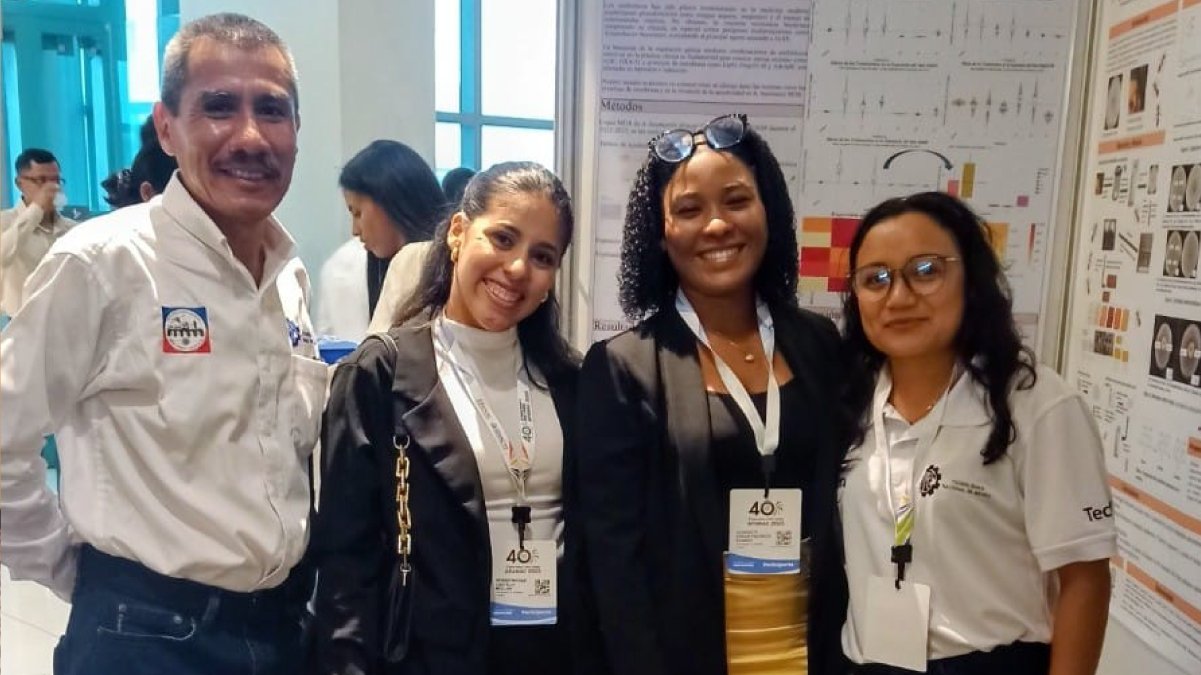
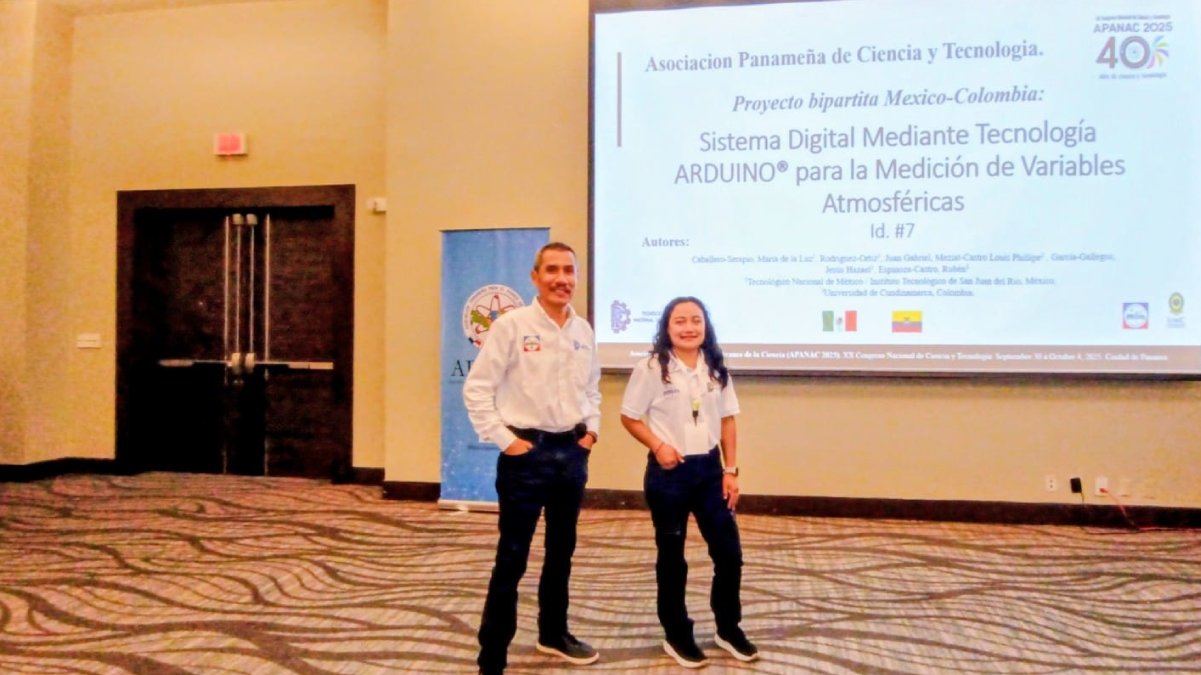
The project was presented to the Panamanian Association for the Advancement of Science and Technology (APANAC 2025), where it received recognition for its contribution to the study of climatic conditions and their potential use in educational institutions and rural areas. This international achievement positions the joint research as a benchmark for accessible technological solutions for environmental monitoring.
“This initiative not only fosters international collaboration but also contributes to generating technological solutions that positively impact the health and well-being of communities,” Meziat Castro emphasized. The system's independence from internet connectivity makes it especially valuable for rural communities where connectivity is limited but environmental monitoring is crucial.
With this initiative, the University of Cundinamarca reaffirms its commitment to innovation, applied research, and the training of professionals capable of responding to the global challenges of climate change.
The project demonstrates that international collaboration between public institutions generates accessible, sustainable and relevant technological solutions to problems shared by different countries in Latin America.
Listen to our Podcast:
News
News
News
News