News
2026-09-24
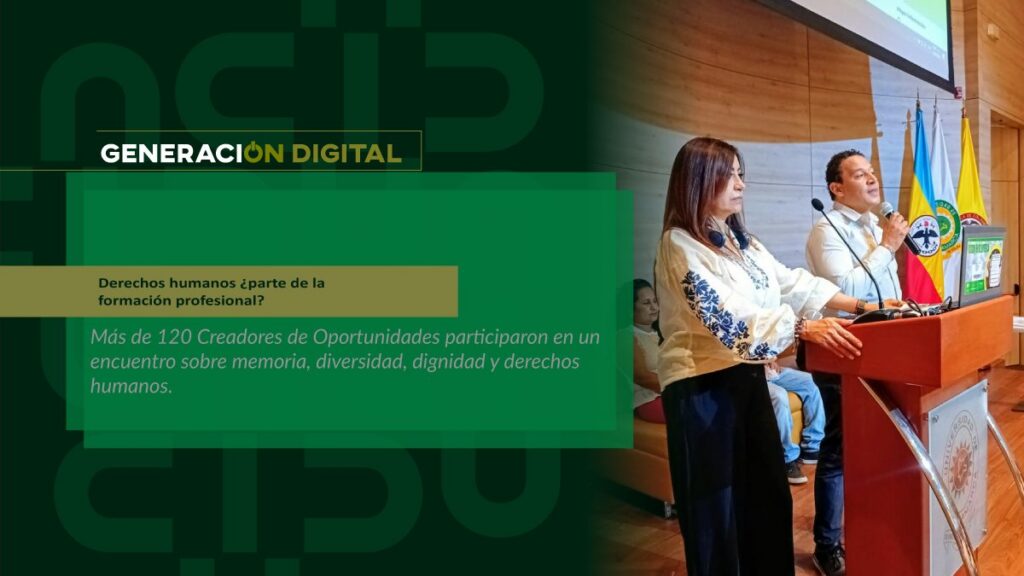
Human rights: part of professional training?
By: Alejandro García Suárez – Advisory Office of Communications



I am your virtual assistant, here to help you quickly and easily.
▲ Back to Top
By Carolina Rojas – Communications Advisory Office
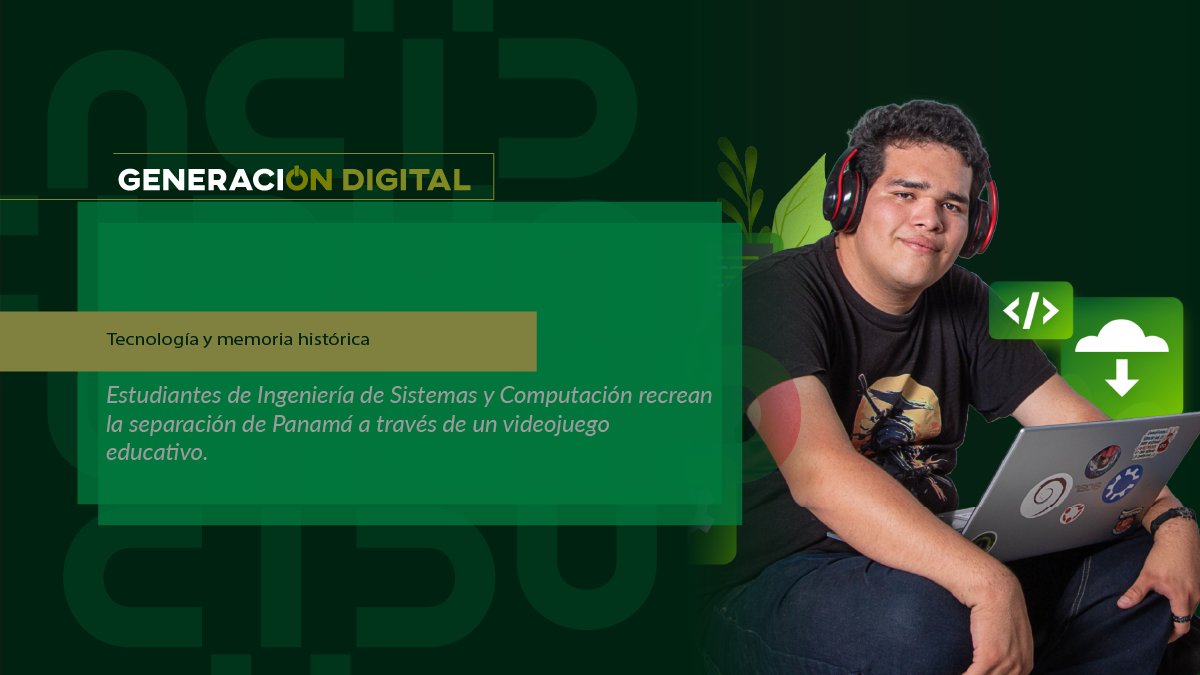
Students Miguel Ángel Hernández Rodríguez and Juan Alberto Ballén Rojas, with the support of the Knowledge and Learning Manager, engineer Rafael Ortega Ortega, developed an innovative educational video game that explores one of the most significant and complex moments in Colombian history: the separation of Panama in 1903.
The project, titled “Development of an Educational Video Game Focused on the History of Colombia – The Separation of Panama,” aims to promote the learning of national history through the use of digital tools and gamification techniques. The initiative is geared towards young people between the ages of 16 and 22, but is open to anyone who wants to explore this historical event in an interactive way.
Through an engaging narrative, eye-catching visuals, and game dynamics, users can learn about the facts, background, and consequences of Panama's separation, thus creating an educational experience that goes beyond traditional methods.
The project was developed within the framework of the CREINNG research group, part of the Systems and Computer Engineering program at the University of Cundinamarca, Ubaté campus. The students applied the SUM methodology, specialized in video game development, and used tools such as Unreal Engine, Krita, Blender, FL Studio, Bandlab, and Audacity to create both the visual environment and the soundscape of the game.
Among the main challenges they faced, the creators highlighted the need to acquire technical knowledge through self-study, the limited availability of equipment, and restricted access to reliable historical information. Despite these obstacles, they managed to create a functional product that combines entertainment and learning.
This work aligns with the principles of the Transmodern Digital Educational Model (MEDIT), integrating culture, historical memory, and technology as fundamental pillars for transformative education. This video game not only strengthens cultural identity and critical thinking but also demonstrates the power of educational innovation to connect young people with their history through languages that are familiar and engaging to them.
News
News
News
News