News
2026-09-24
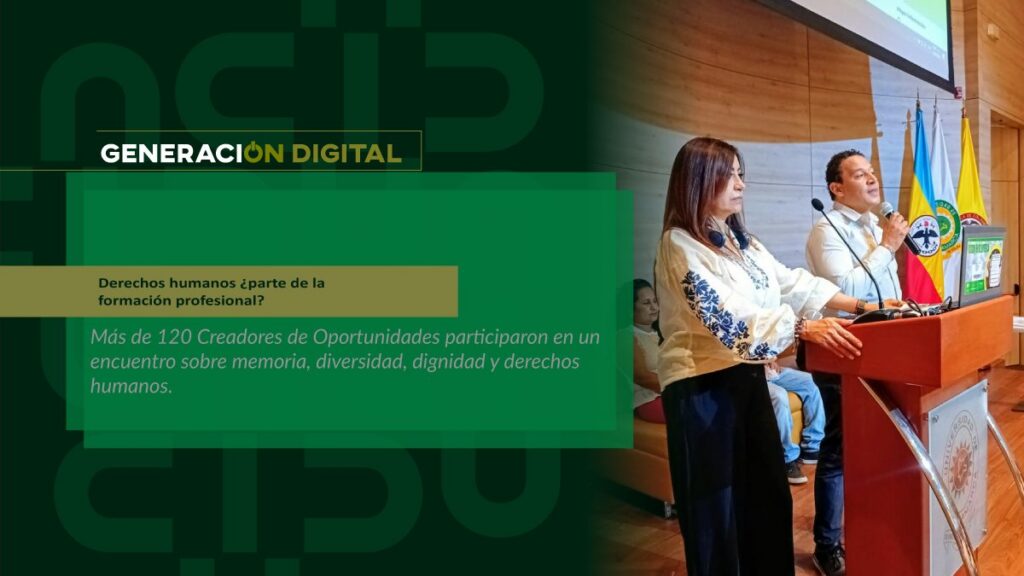
Human rights: part of professional training?
By: Alejandro García Suárez – Advisory Office of Communications


I am your virtual assistant, here to help you quickly and easily.
▲ Back to Top
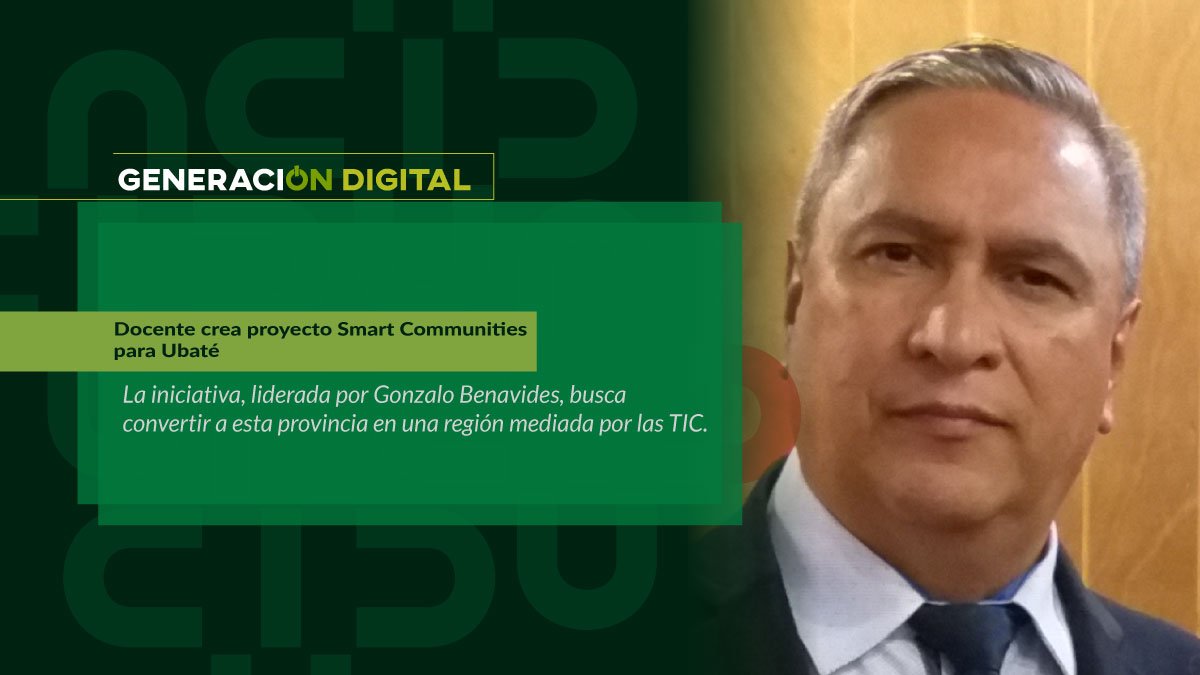
The University of Cundinamarca, as a regional institution that provides solutions and proposals to each of the areas where it has a presence, has committed itself, along with its team of professors, students, and researchers, to developing projects for the benefit of society. Today's story unfolds in the municipality of Ubaté, and its purpose is to provide a technological solution to the community.
Professor Gonzalo Benavides explains that when he arrived from Bogotá to teach in the Systems Engineering Program, he realized that the majority of the population was rural and that their access to new information and communication technologies was precarious. “That’s when I thought, how great it would be to develop a research project on Smart Communities which in Spanish translates to smart communities. This concept consists of providing people with all the benefits that come with these advances, but my idea is to focus it on the countryside.”.
In Colombia, the digital divide persists. According to the Ministry of Information Technologies and Communications (MinTIC), 34.41% of people in low socioeconomic backgrounds lack access to these tools. Therefore, Professor Benavides, drawing on the principles of MEDIT (a framework for knowledge organization where science, technology, research, and innovation translate into academic results and the integration of ICTs for social, regional, and productive development), submitted a project to the internal call for proposals called "Ubaté Province, Smart Community.".
“There we have a seedbed that bears the same name and with a group of students we are working with the objective of turning this region, made up of ten municipalities, into an area integrated by these technologies, so that people can have telemedicine services, tele-education, online government or also telemarketing and teleworking.”.
Similarly, this ambitious initiative seeks to transform the Ubaté branch into a smart campus –smart campus In English – “We want to implement this idea, which is already in place at more than 250 universities worldwide; this would make all academic and administrative processes more efficient and effective for the benefit of the entire educational community.”.
Professor Benavides likes to think big, and from the perspective of the Transmodern Digital Educational Model (MEDIT), which advocates moving beyond traditional, purely professional educational systems focused on transmitting knowledge and information in order to cultivate a transhuman individual, he has considered integrating all the programs at the campus. “We have three hundred students, plus a team of sixteen professors in our area, which is a significant number. So, my other idea is to partner with the Animal Science and Business Administration programs and develop joint projects to provide comprehensive solutions in information and communication technologies, thus benefiting the communities and students.”.
The project is just getting started, but it promises to make a difference. “We began last November, with the aim of developing it fully this year. Currently, we are contacting social workers in the municipalities and local businesses to secure the necessary funding to carry it out.”.
This is the professor, a graduate in systems engineering from the Francisco José de Caldas District University, with a specialization in bioengineering from the same institution and a master's degree in bioethics from El Bosque University. “I have worked as a professor at several universities and have also worked in the private sector with companies like Caracol Television, Coca-Cola, and Colombina. From that perspective, my goal with this initiative is for students to work on real-world projects that will enhance their resumes and help them in the competitive job market, which always demands experience from the outset.”.
News
News
News
News