News
2026-09-24
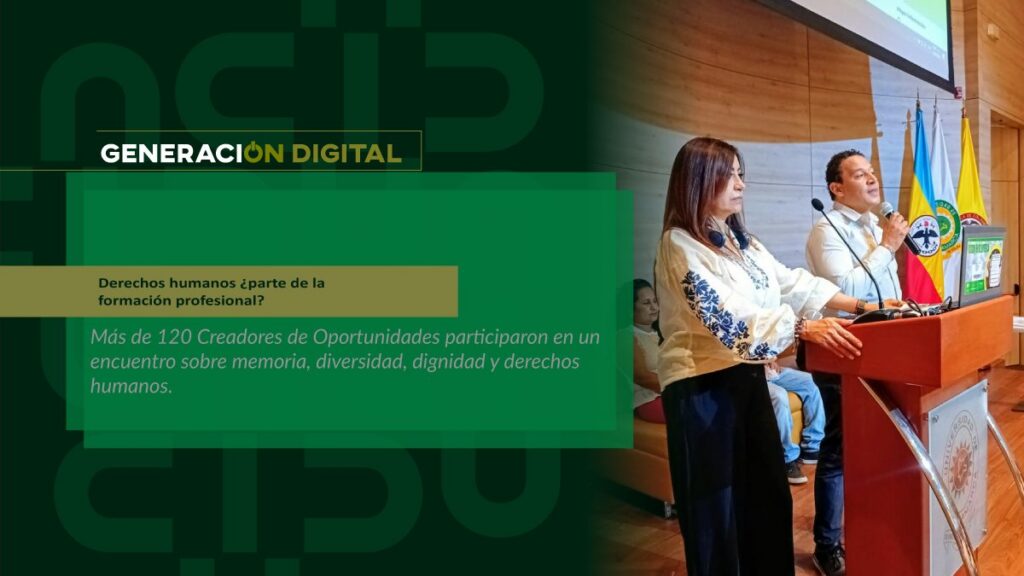
Human rights: part of professional training?
By: Alejandro García Suárez – Advisory Office of Communications



I am your virtual assistant, here to help you quickly and easily.
▲ Back to Top
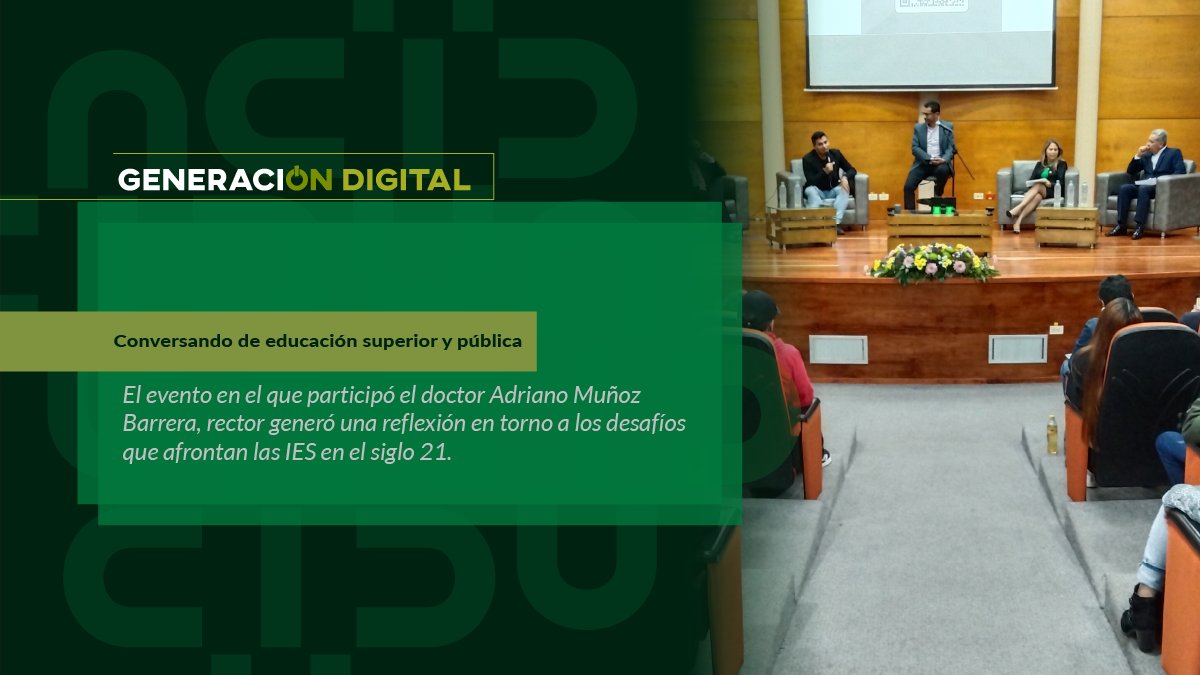
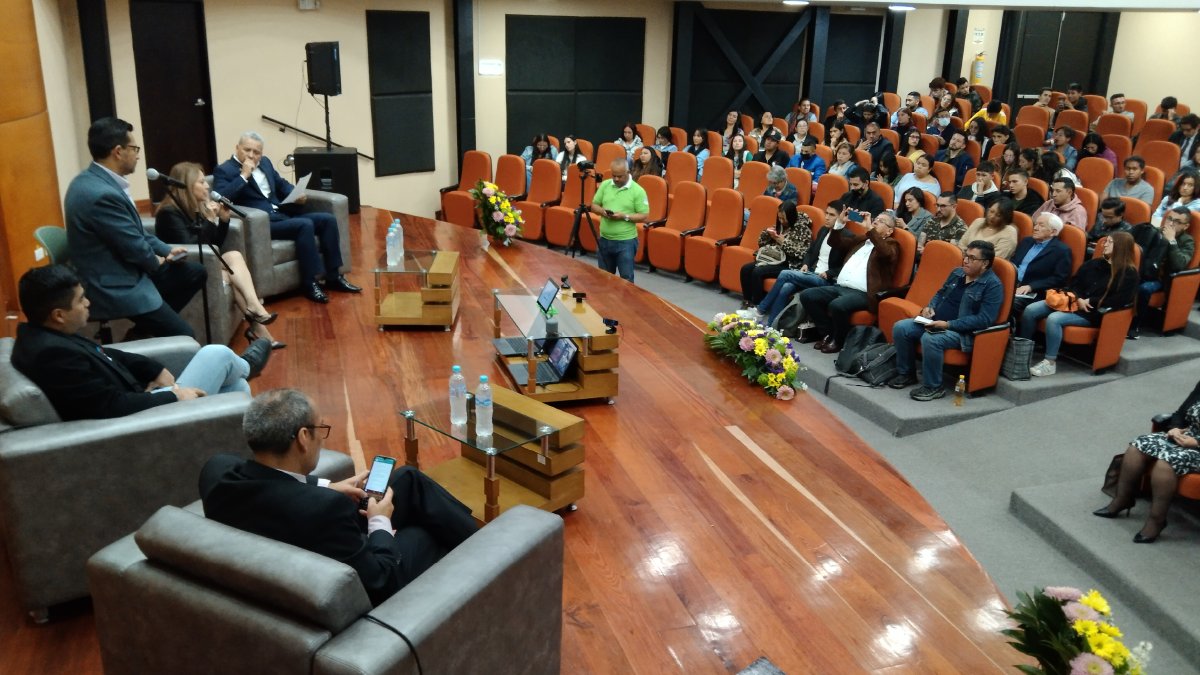
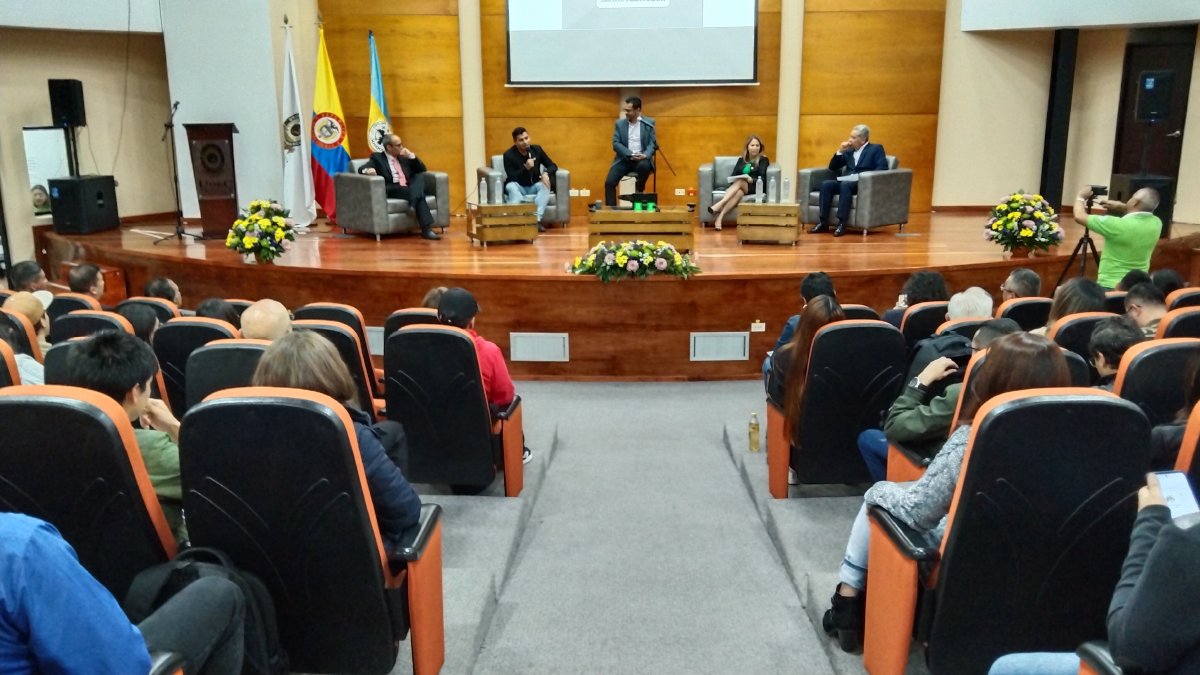
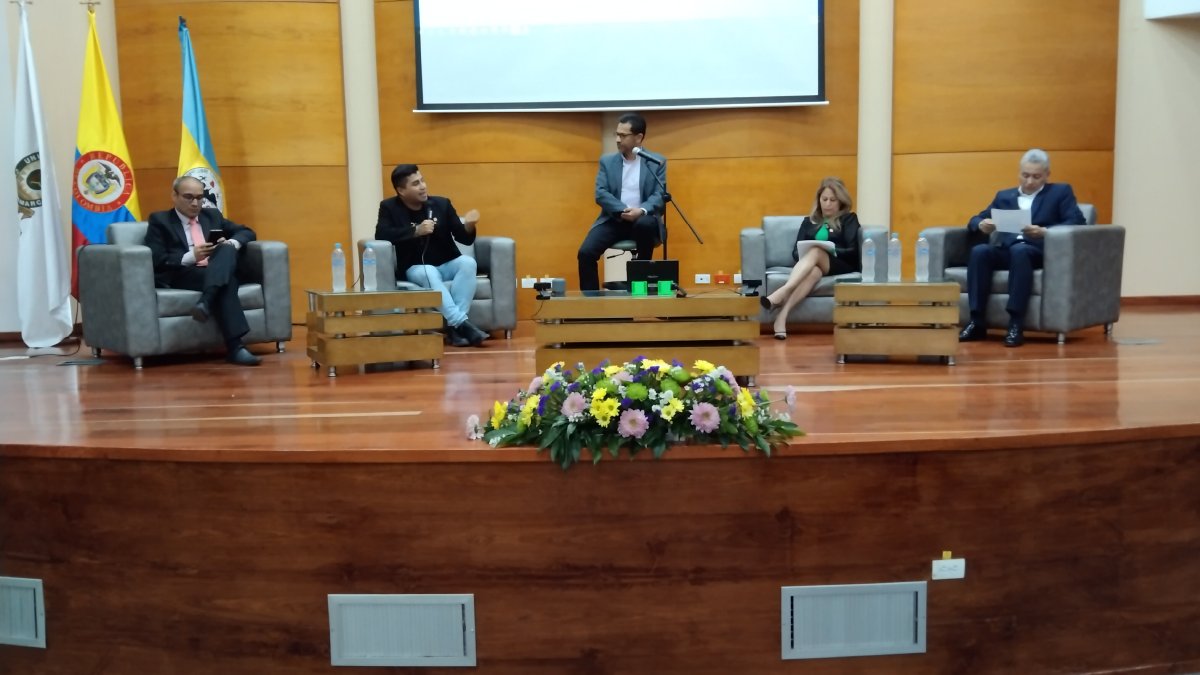
The event, organized by the Chía extension campus, focused on the theme of public universities facing the challenges of the 21st century. Panelists included Dr. Gloria Liliana Rodríguez Valencia, Representative to the Chamber for the department of Cundinamarca; Dr. Hernán Alejandro Alonso, professor in the Public Accounting program; and Dr. Eduard Giovanny Sarmiento, Representative to the Chamber for the department of Cundinamarca.
The first topic discussed, moderated by Dr. Carlos Trujillo, director of the extension program, was public education facing the challenges of the 21st century. On this topic, the rector began his remarks by discussing the Transmodern Digital Educational Model and how it addresses current realities, thus reaffirming the need for a regional university that, through the exchange of knowledge, fosters the development of local communities based on this premise.
He also emphasized the difference between education for life and education for work. “The former is geared towards peace, democratic values, life itself, and preparing graduates to be agents of change; the latter is solely for employment.”.
He also affirmed that the university, as a center of public education, reinforces this characteristic through its contribution to the nation. "We carry out this task through the substantive function of knowledge creation within academia.".
Representative Gloria Liliana commented that one of the challenges facing education is internet connectivity. “The department has a coverage rate of 781 TP3T, while Bogotá has 811 TP3T. There are even small municipalities that lack this service. Therefore, I propose that the Ministry of Information Technologies and Communications (Mintic) improve this service.”.
Meanwhile, Dr. Hernán Alejandro Alonso emphasized the need for regional programs that reflect local realities. “For example, it’s unacceptable that SENA (National Learning Service) came to Cucunubá to offer mining programs while ignoring the area’s agricultural focus. This led to people abandoning farming. That’s why it’s crucial that educational programs accurately reflect the needs of the region.”.
For Representative Eduard Giovanny, the key to this entire debate lies in one word: relevance. “This variable must be measured to determine what is needed in the territory. It's illogical, for example, for SENA (National Learning Service) to offer a working at heights course in Vergara, a municipality where the tallest structure is the church tower.”.
On the other hand, Dr. Hernán Alejandro Alonso emphasized the need for regional programs that are tailored to the local context. “For example, it’s unacceptable that the National Training Service (SENA) came to Cucunubá to offer mining programs, ignoring the area’s agricultural focus. This led to people abandoning farming.”.
The aspect they discussed was the university's connection to MEDIT. The rector commented that this connection is achieved through the accreditation of programs and campuses. "We are already working on this, and for example, we have the 90% accreditation for our programs, which have already been redefined. We are part of the high-quality system.".
Likewise, the representative to the chamber pointed out that one way to foster connection is through soft and hard skills. “The university has fulfilled this mission, which is why it is important that it continues to offer doctoral and master's degrees and expand its reach to different provinces.”.
Finally, the rector spoke about the need to increase the budget for regional public universities and asked for the support of the congressmen present at the event. “There are 84 higher education institutions in Colombia, both private and public; therefore, I want to ask for your help with the reform of Articles 86 and 87 of Law 30 of 1992 on Higher Education, as this presents an opportunity for us to increase our budgets.”
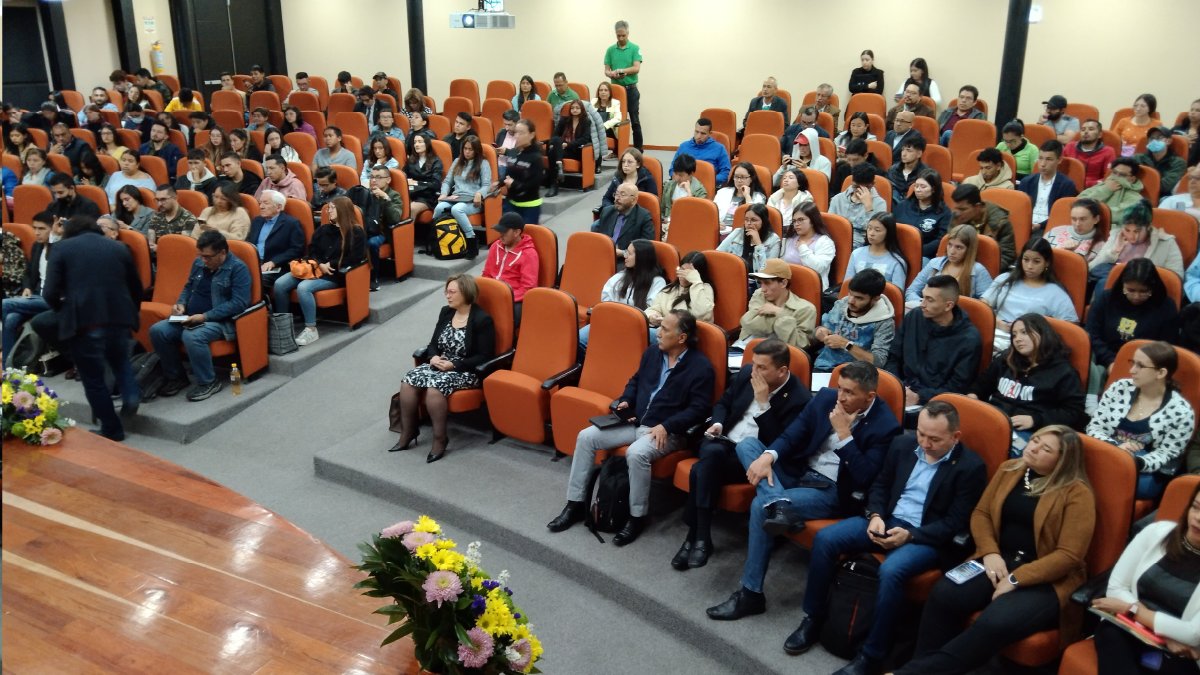
The discussion was attended by students, teachers, and people connected via Facebook Live who participated by asking questions to the panelists.
News
News
News
News