News
2026-09-24
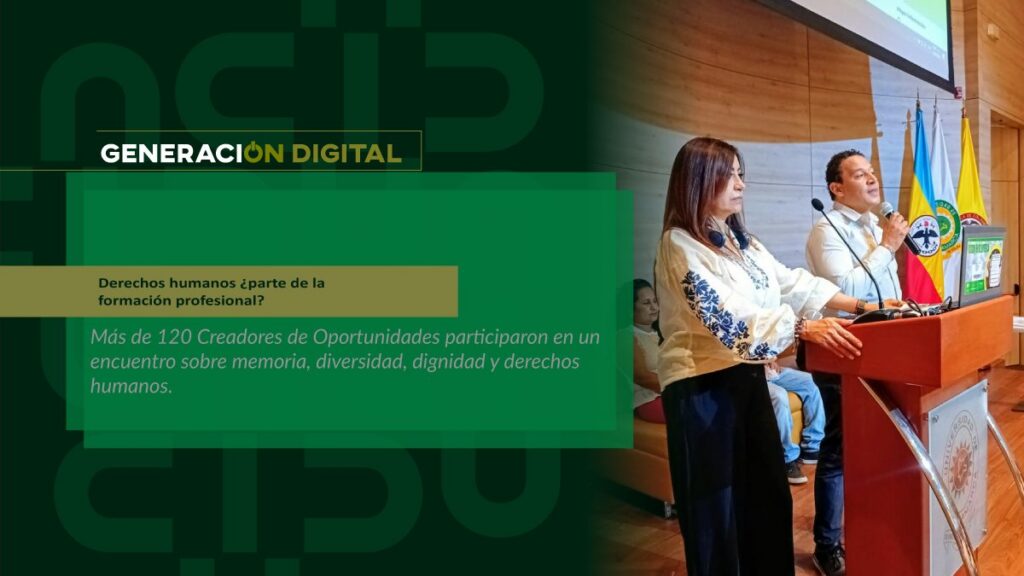
Human rights: part of professional training?
By: Alejandro García Suárez – Advisory Office of Communications


I am your virtual assistant, here to help you quickly and easily.
▲ Back to Top
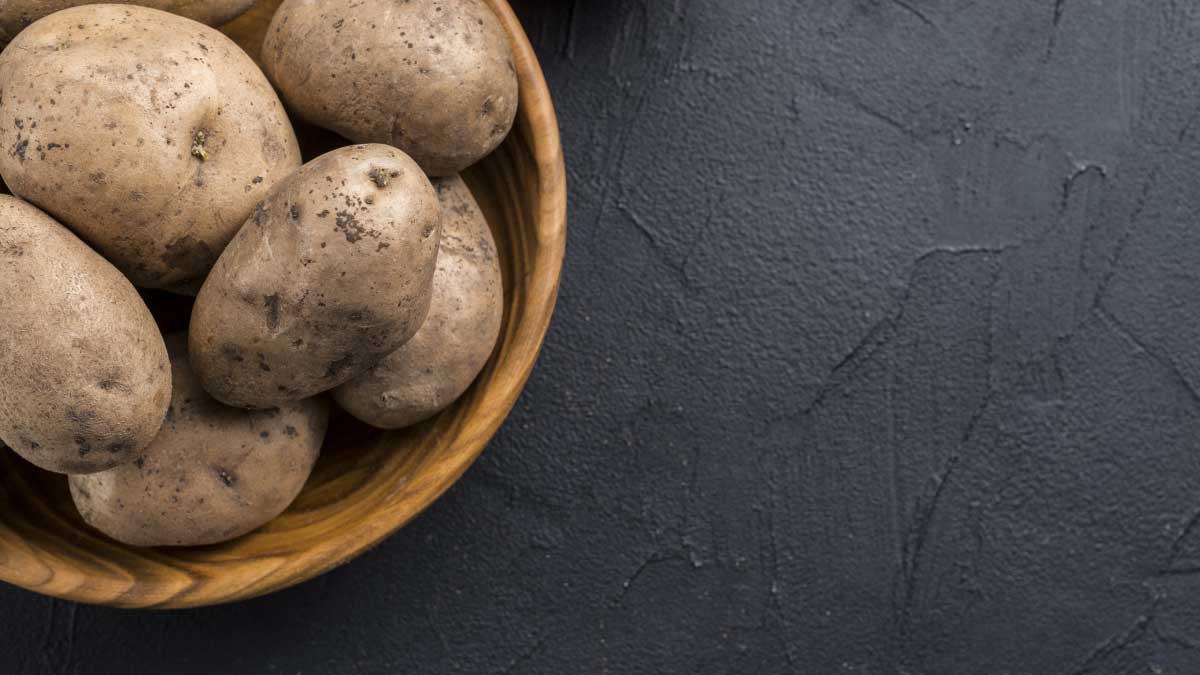
The research proposes sustainable strategies through knowledge management, the use and appropriation of ICTs, to improve the productivity and sustainability of potato farming units in Cundinamarca.
“Currently, there are difficulties regarding the access, use, and appropriation of ICTs as a useful tool in the productive environment of small rural producers, which represents a significant gap compared to larger producers. In this sense, the project takes an approach based on Participatory Action Research in the rural environment of small producers,” explain Lilia Yohanna Martínez Acosta and Yudy Bonilla Bonilla, authors and students of the Master's program in Environmental Sciences at UCundinamarca.
The research is part of the macro project “Measuring Productivity and Knowledge Management of the Agricultural Sector of the Department of Cundinamarca”, and its objective is to analyze and interpret the structural causes related to knowledge management and the use of ICTs, which affect the productivity and sustainability of potato farming units in Cundinamarca.
“The use of ICTs in the potato sector for small producers can make them more competitive. The results of the study show that the use of ICTs is fundamental in the productive transformation of potato cultivation and is considered a key element for improving the productivity and competitiveness of the sector, given the importance of access to key information at all stages of the production process (production, marketing, and post-harvest). This will allow for more technical, timely, and informed decision-making,” warn the project authors, Martínez Acosta and Bonilla Bonilla.
The research was conducted in three phases: the first, a diagnostic phase, involved developing a socio-economic profile of the producers. The second phase established the current levels of ICT use and adoption. The third phase consisted of designing a proposal with strategies aimed at encouraging ICT use and adoption in the potato farming sector.
In the project phases, the practices of identification, acquisition, creation and transfer of knowledge were analyzed in a group of 31 potato producers from the municipality of Chocontá through surveys designed around the Knowledge Management process and focus groups.
In the third phase, the researchers advance the design of a proposal of strategies for the use of knowledge management tools, built and validated with the producers who were part of the research.
The researchers from the Master's program in Environmental Sciences conclude that potato producers understand the importance of ICTs as a useful tool to support knowledge management, and show a good willingness to incorporate them into their productive activities; however, the levels of use and appropriation of ICTs are directly related to knowledge and the possibilities of access to technological resources..
Another important aspect to highlight about the project is the activities related to potato cultivation. These are mostly developed under a peasant economy model, and the difficulty in accessing technology, information, and communication makes small-scale potato cultivation a highly uncertain activity.
The researchers' project proposes sustainable strategies aimed at encouraging the use and appropriation of ICTs in the productive environment of potato growers according to the needs and territorial characteristics, as well as current guidelines.
The potato sector is highly representative and important for the country's socioeconomic development. 95.1% of producers cultivate less than 3 hectares, and 80.1% cultivate less than one hectare. Potatoes contribute 3.31% to the agricultural GDP. 90.1% of the potatoes marketed in Colombia are consumed fresh, while the remaining 10.1% are used by the processing industry, generating approximately 264,000 jobs annually.
News
News
News
News