News
2026-09-24
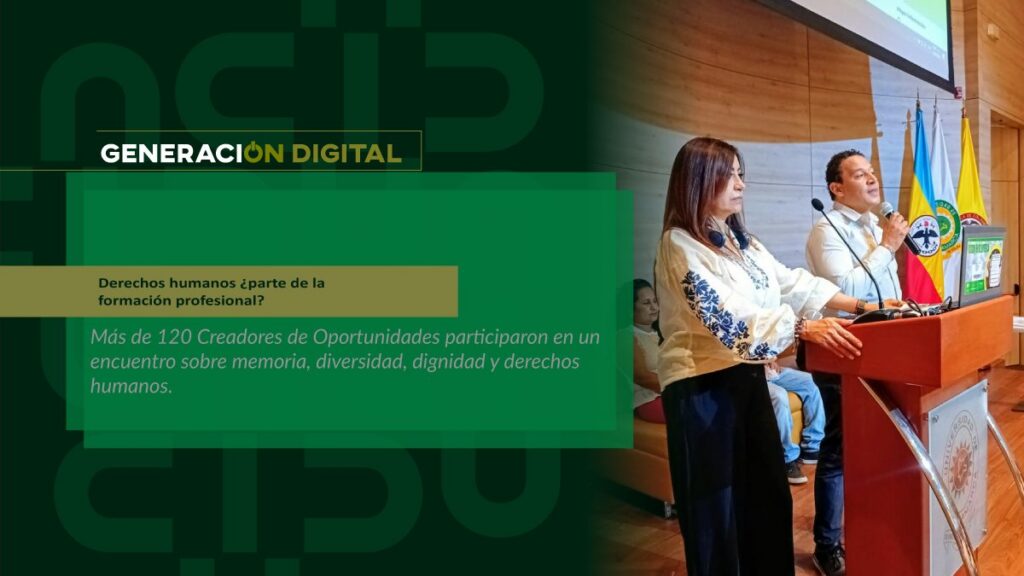
Human rights: part of professional training?
By: Alejandro García Suárez – Advisory Office of Communications



I am your virtual assistant, here to help you quickly and easily.
▲ Back to Top
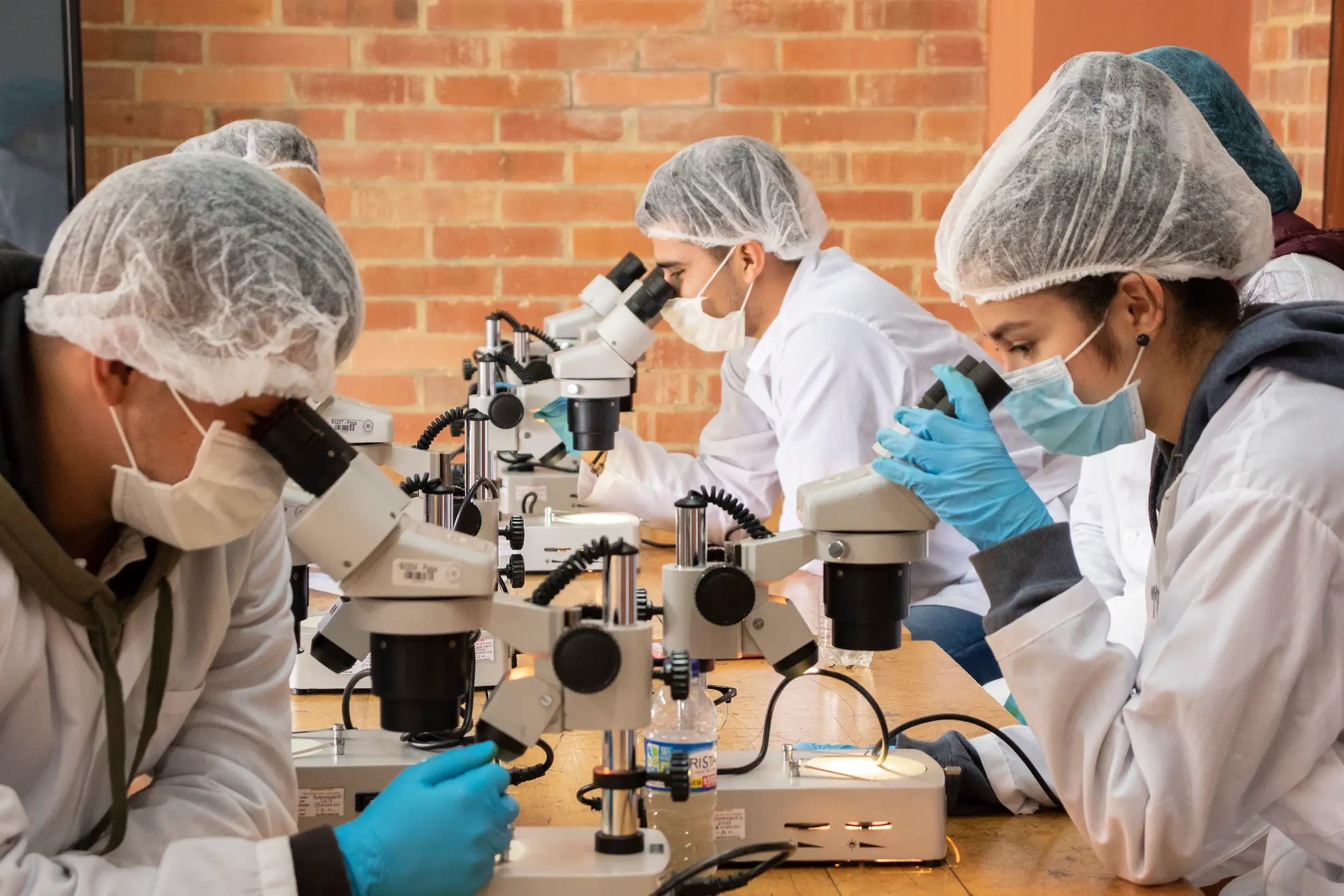
More than 600 people, including students and professionals in environmental engineering, applied sciences and related fields, natural resource researchers, and the general public, gathered to participate in the III International Congress of Environmental Engineering of the Universidad Libre and the Universidad Cundinamarca.
The event, held at the facilities of the Universidad Libre in Bogotá, featured expert speakers on studies of alternative energies, climate change, water depletion, and the circular economy.
“One of the purposes of the meeting is to disseminate technical and scientific knowledge in environmental engineering, as well as to respond to the most important challenges that humanity has to protect the environment and mitigate the harmful impacts and effects that affect the environment, as a consequence of pollution, water scarcity and climate change,”, Oscar Leonardo Ortiz, director of the Environmental Engineering program at the Universidad Libre, explained.
During the III International Congress of Environmental Engineering, one of the topics discussed was the temperature increase in Colombia, which is projected to rise by an average of 1.5°C between 2019 and 2040 due to environmental pollution in the country. According to studies presented at the event, this impact would affect coastal areas and reduce fishing in the Caribbean; in addition, river flows would decrease and snow-capped mountains would tend to disappear.
“This university association contributes to the balance and harmonious relationship between society and the surrounding nature, but also seeks spaces for inter-institutional cooperation that allow the articulation, planning and development of academic events where prominent national and international researchers participate to share their criteria, experience and knowledge with the academic community of environmental engineering programs,”, Carlos Fernando Gómez Ramírez, Administrative Director of the Facatativá Extension, highlighted this.
María Estela Nadal Romero, PhD in Geography from the University of Zaragoza (Spain), presented the paper: Water and Soil Resources in Mountain Areas in a Context of Global Change, as well as the contributions and results of soil research in Mediterranean mountain areas, and the monitoring and maintenance of the Araguás experimental basin (Spanish Central Pyrenees). During her presentation, this expert urged the academic community to study the territory using experimental tools in the field and on plots to predict the near future.
Andrés Jasper, PhD in Geosciences from the Federal University of Rio Grande do Sul in Brazil, presented the lecture: What can Permo-Triassic Fire Dynamics tell us about potential consequences of the current of global warming?; a topic that sought to reflect in the attending community on the dynamic, changing, and cyclical global system and how it should be applied in today's society, also highlighting the modification of nature occurs on its own, natural cycles and the acceleration by society.
Furthermore, at the academic event, expert researchers and speakers from Brazil, Colombia, Cuba, Mexico, and Spain addressed topics in alternative energies, focusing on studies and advances related to the planet's sustainability; the problem of climate change and the threat to natural resources; water depletion and its social, economic, and political impact on the global future; and how the circular economy, a model for optimizing and utilizing solid waste, contributes to the planet's sustainability.
Yosbani Cervantes Guerra, PhD in Technical Sciences, presented the lecture: “Sustainable Development in the Mining Region of Moa (Cuba).” He emphasized the importance of environmental engineering in the 21st century and how professionals must be able to interpret and provide strategic solutions through the synergy between science, the environment, and society for the sustainable use of natural resources globally.
Finally, the academic event featured a poster exhibition by the research groups of undergraduate and graduate students from UCundinamarca and Universidad Libre, and 17 keynote lectures by expert research speakers from Brazil, Colombia, Cuba, Mexico, and Spain.
News
News
News
News