News
2026-09-24
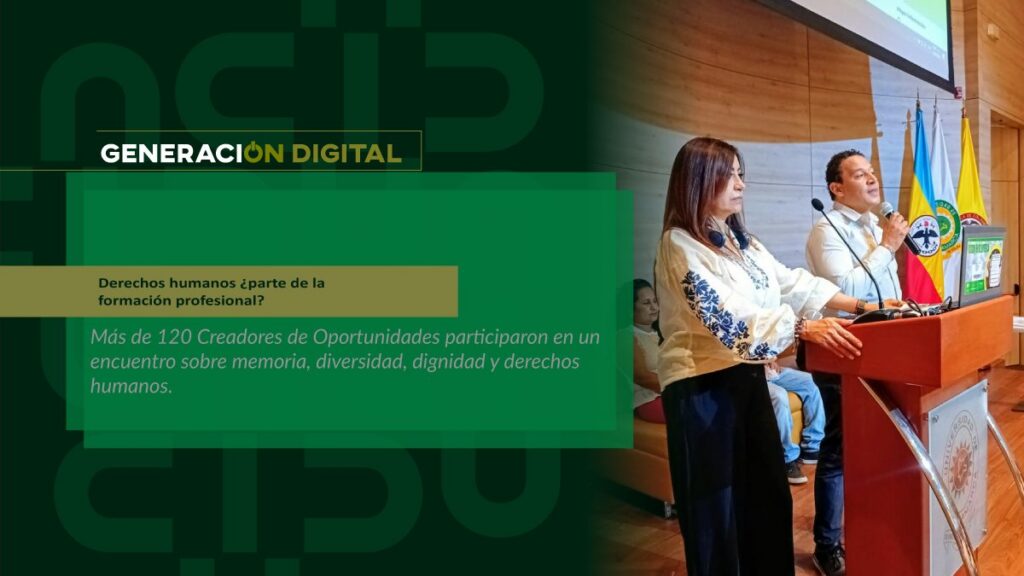
Human rights: part of professional training?
By: Alejandro García Suárez – Advisory Office of Communications


I am your virtual assistant, here to help you quickly and easily.
▲ Back to Top
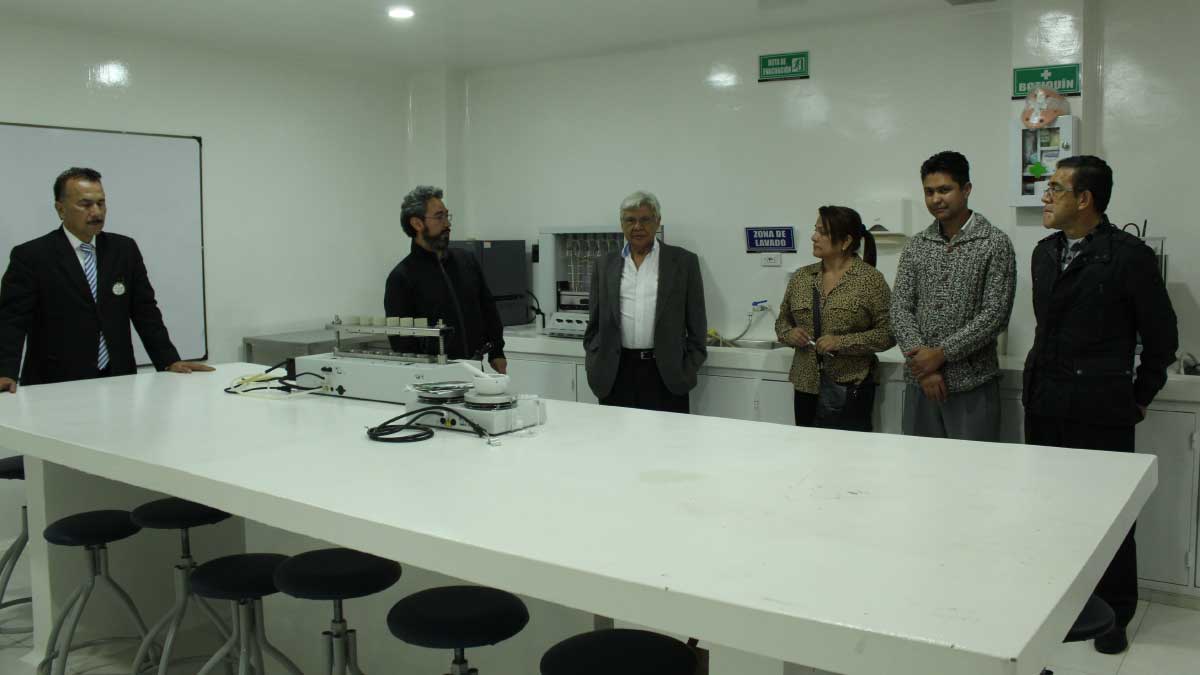
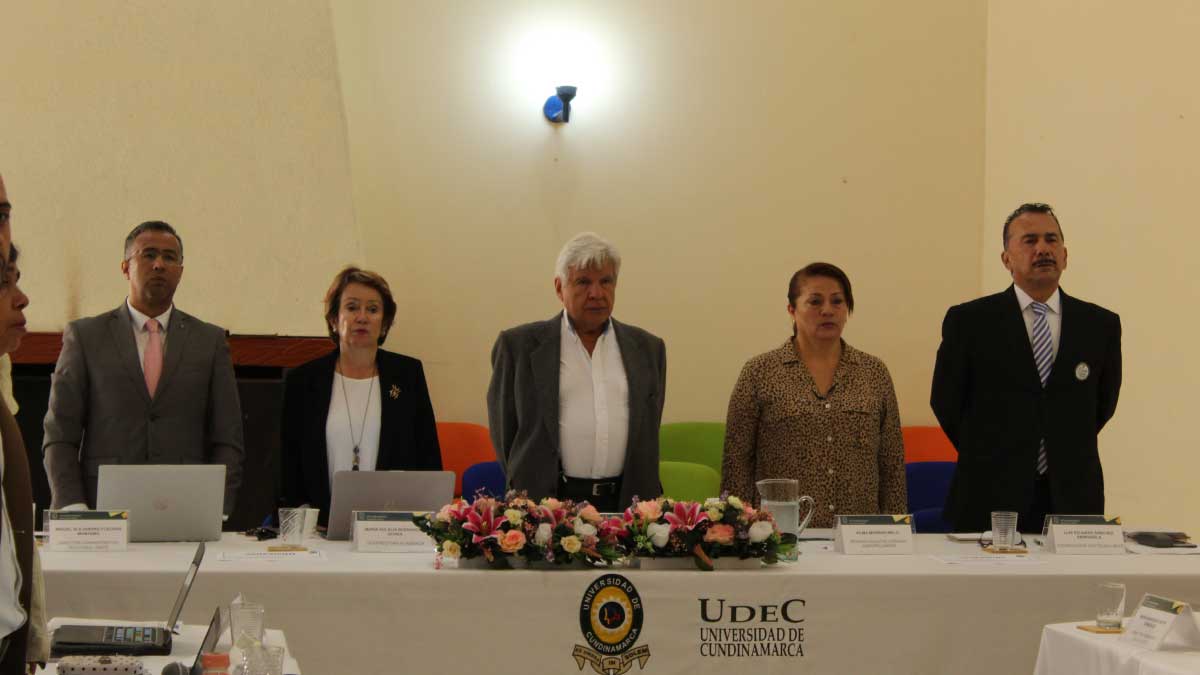
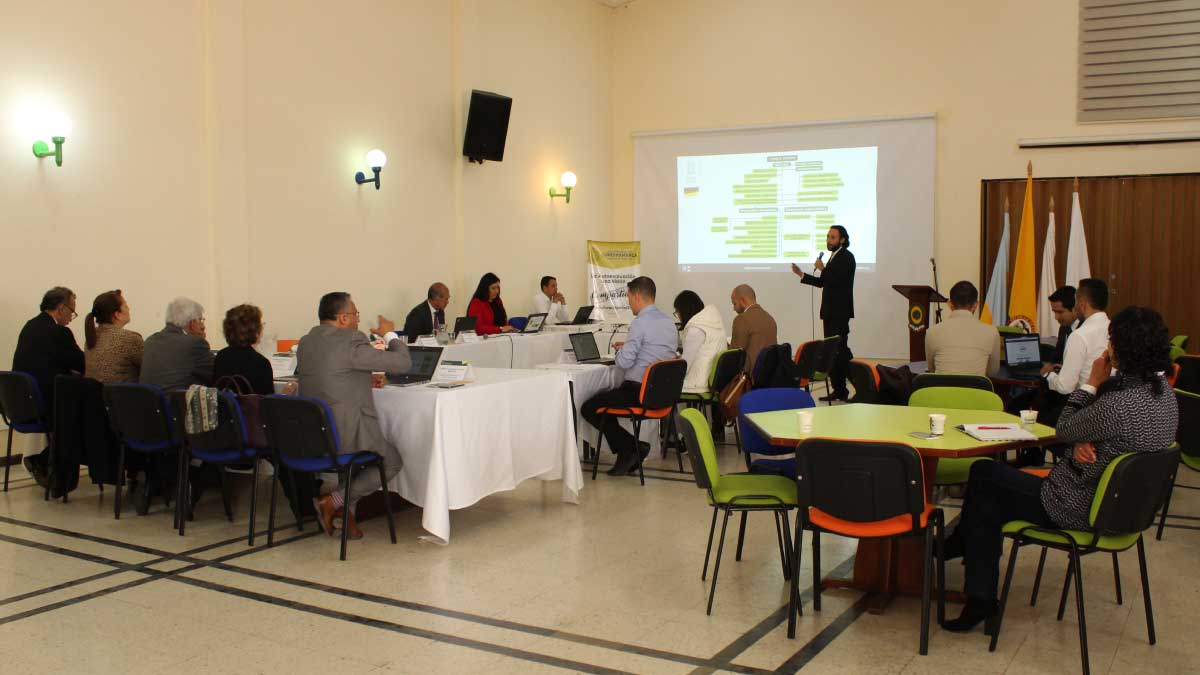
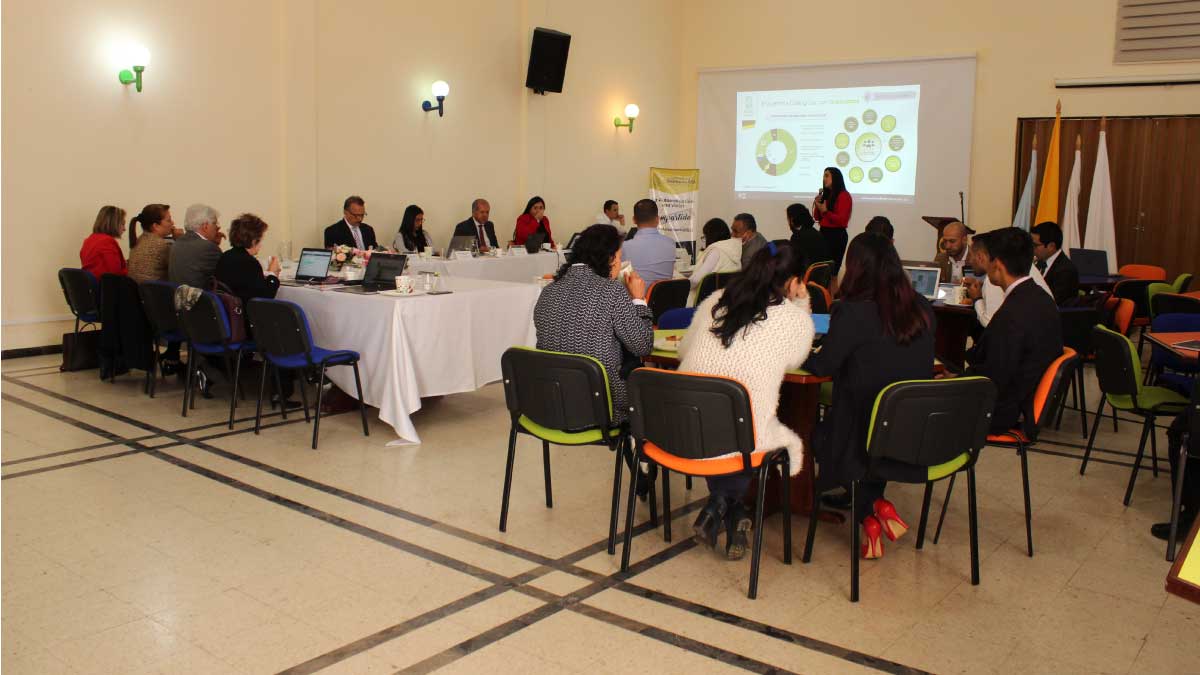
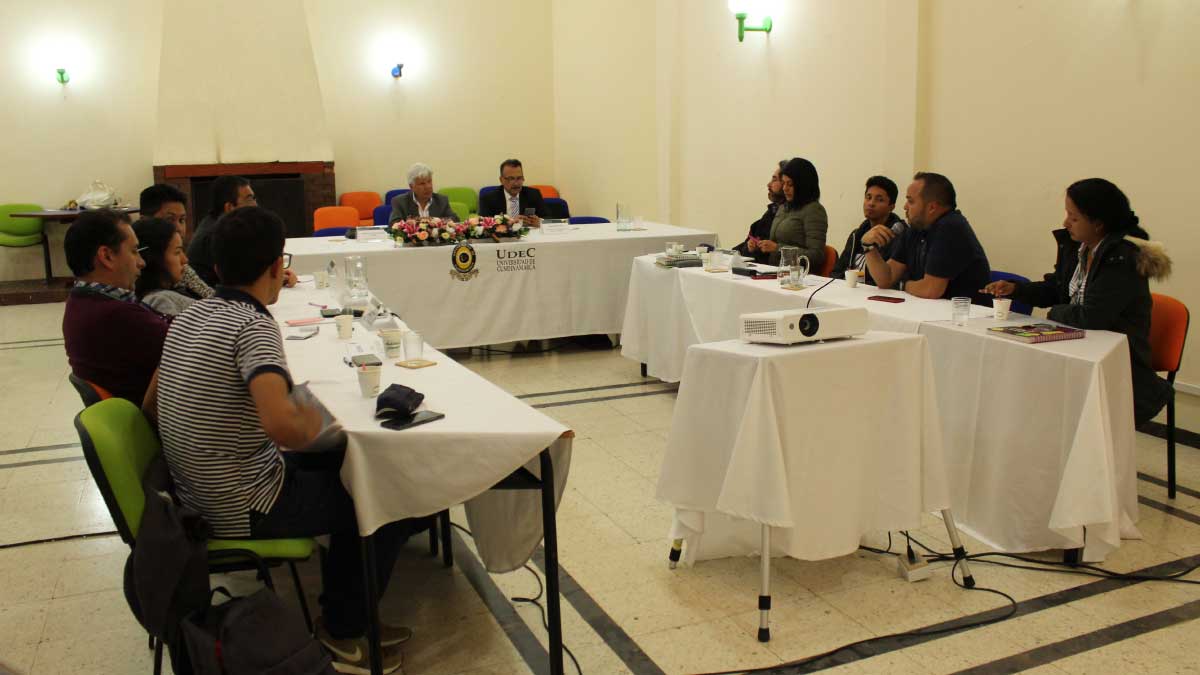
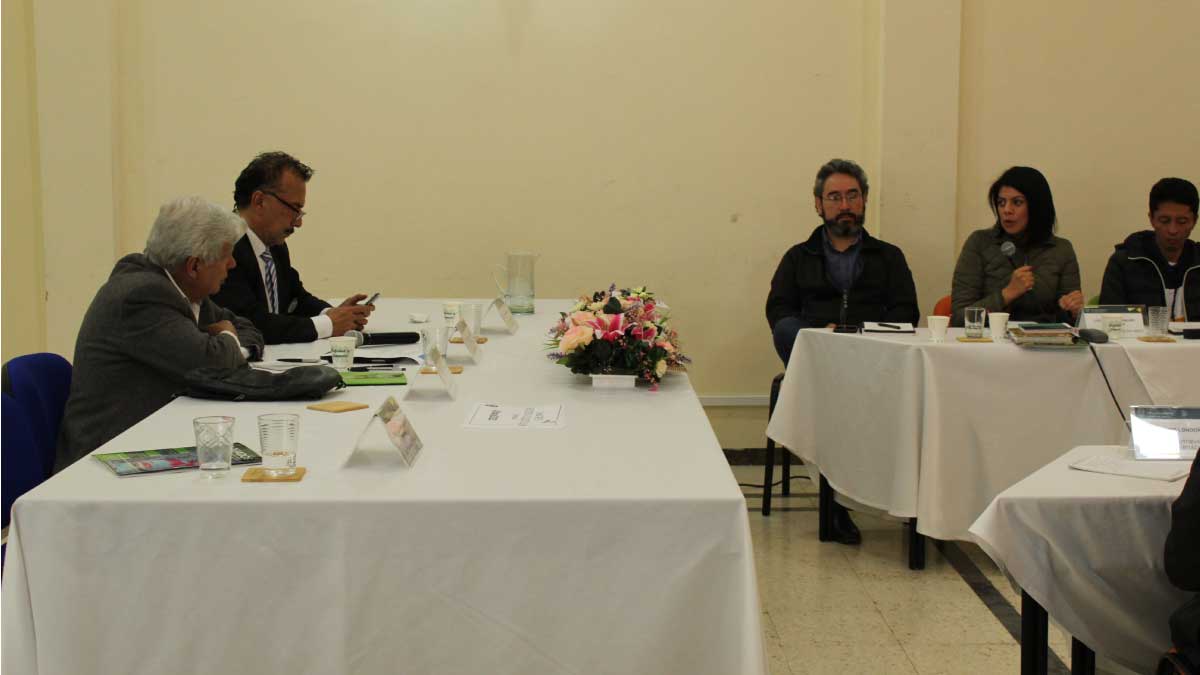
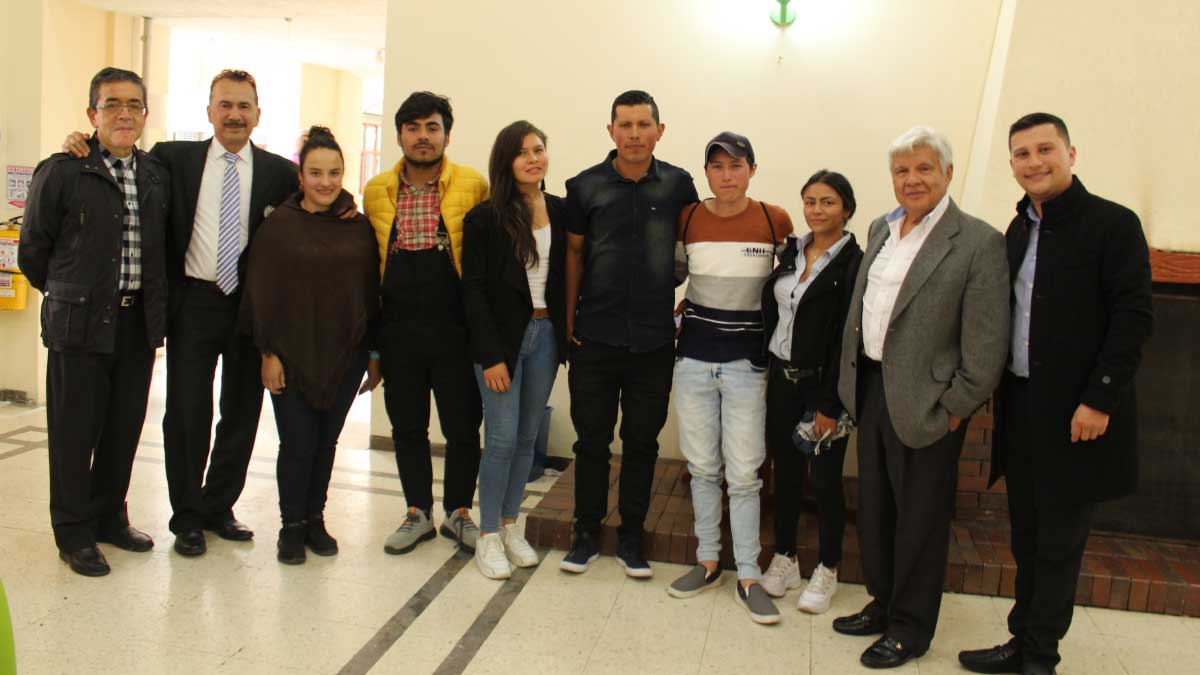
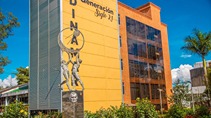
On February 25, Ubaté received a visit from the Collaborative Peer Review team to verify quality conditions. Among the recommendations were strengthening research, fostering a sense of belonging, and promoting sustainability.
The purpose of the Collaborative Peer visit is to prepare the Animal Science program identified with SNIES Code 102822 for the official visit of the peer evaluators appointed by the National Accreditation Council, in addition to recognizing the strengths and opportunities for improvement of the institution's academic, research and strategic processes.
The Collaborative Pair, the doctor in Animal Health Sciences, Aurellano Hernández Vásquez from the National University, analyzed the Institutional process, the Educational Project, Development Plan, Educational Model, Training and Learning, Social Interaction, Science, Technology and Innovation, preceded by directors and heads of academic units respectively.
Among the aspects to highlight, Dr. Hernández Vásquez recommends continuing to strengthen the sense of belonging to the Institution, the research processes, and the strategies for retention.
The Collaborative Pair also suggests strengthening the employment relationship of teachers and curricular flexibility, and highlights that the program has the initial conditions for the renewal of its qualified registration.
During the agenda, the directors of the Faculty of Agricultural Sciences, the Directorate of Self-Evaluation and Accreditation, and the Academic Vice-Rectorate presented the curriculum plan, from the redesign of the MEDIT, the study plan and the transition plan, as well as the particular aspects associated with the faculty of the program and the advances in research and university social interaction.
Likewise, emphasis was placed on the curriculum re-signification process developed by the program, within the framework of the self-evaluation exercises, leaving the proposed curriculum at 150 academic credits and 9 academic semesters.
Other aspects presented to the Par included the program's groups and seedbeds, outreach, internationalization and recognition, as well as the funding available for research projects, analysis of the results of the State tests, projection of actions of the improvement plan, relationship with the external sector and social projection, among others.
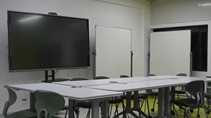
It is worth noting that the agenda included students, graduates, teachers and representatives of the productive sector, in addition to the presentation of educational and IT resources.
News
News
News
News