Fusagasugá Branch
2026-09-24
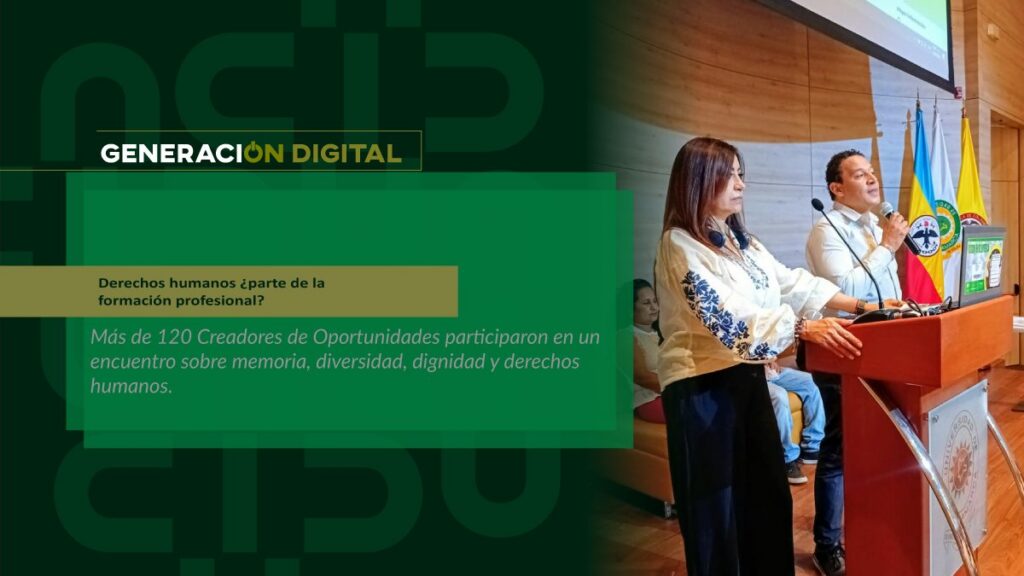
Human rights: part of professional training?
By: Alejandro García Suárez – Advisory Office of Communications


I am your virtual assistant, here to help you quickly and easily.
▲ Back to Top
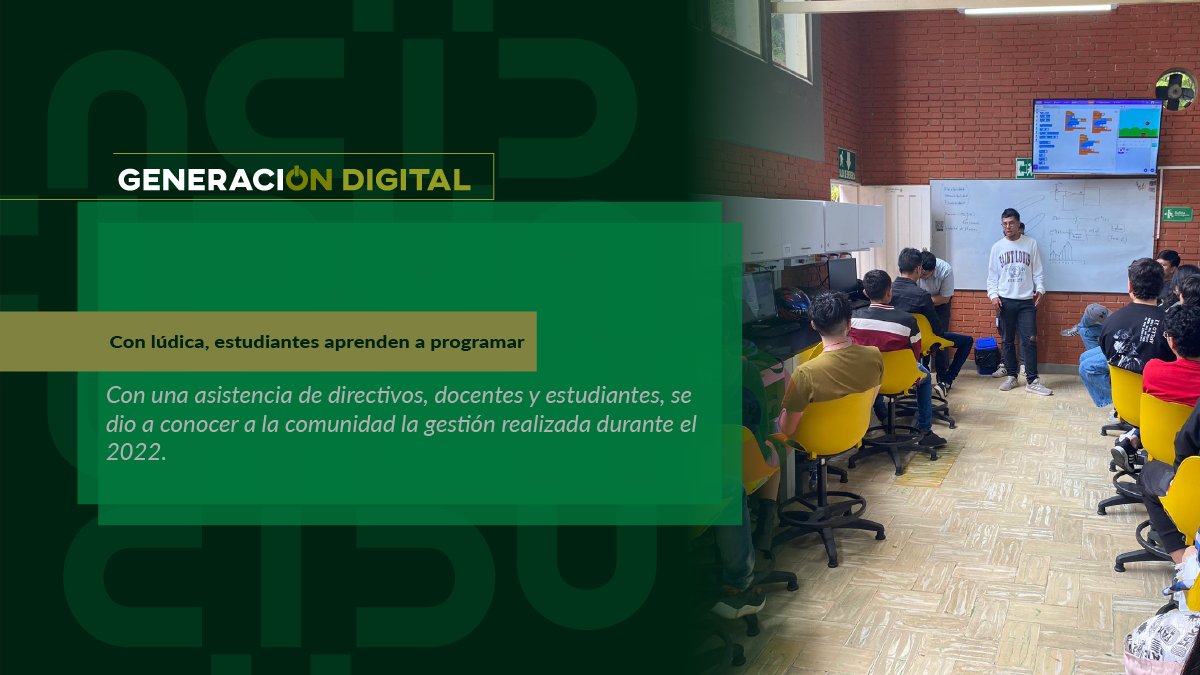
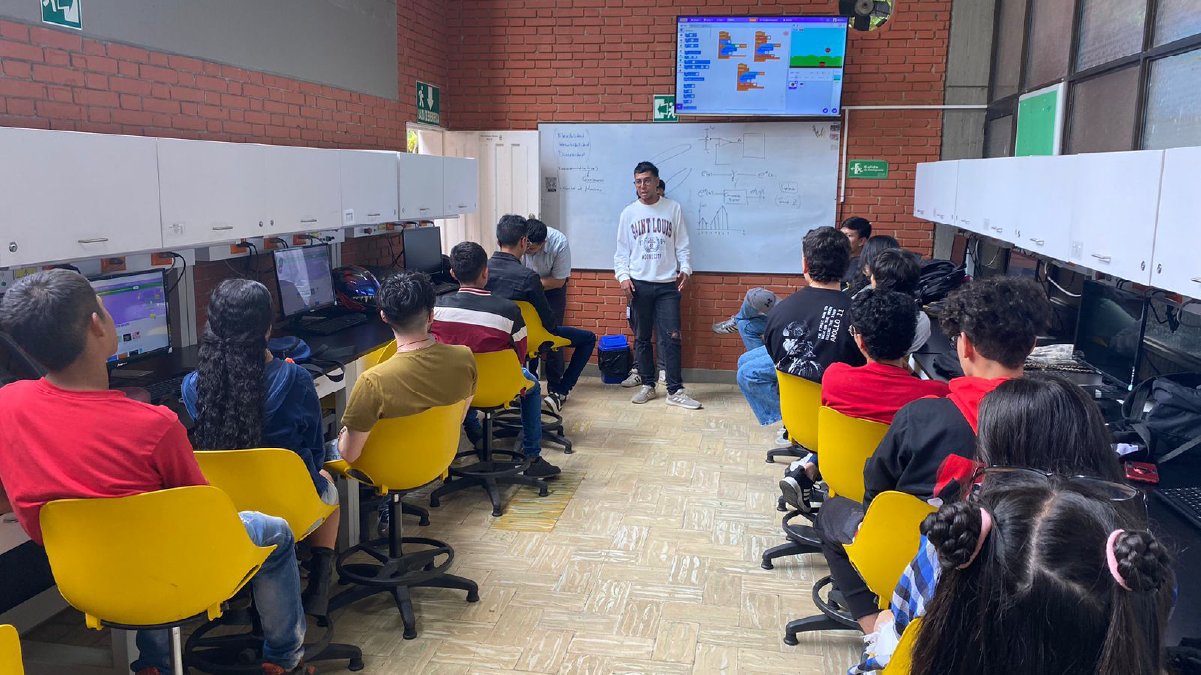
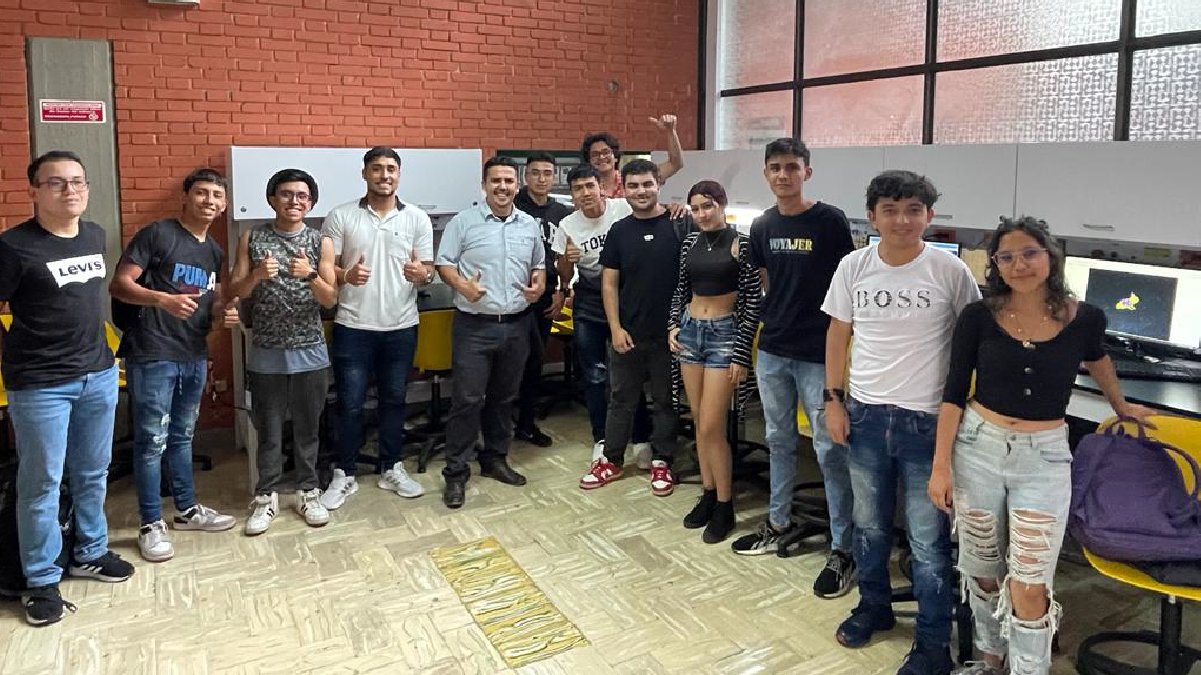
On August 15th, at the Fusagasugá campus, an activity called "Programming for Non-Programmers" was held. This initiative, part of the celebration of the third anniversary of the Transmodern Digital Educational Model (MEDIT), aims to spark interest in this field of knowledge. "Our goal is for the participants to learn to think systematically and develop an appreciation for this area of knowledge, which, incidentally, has a shortage of professionals and is therefore very well paid," says Edgar Roa, coordinator of Electronic Engineering.
The event, which took place from 2:00 pm to 3:00 pm, was attended by thirty students from different semesters of Electronic Engineering and Systems and Computer Engineering. “As soon as they arrived, they were instructed to form pairs, and each student was shown how to access the internet to complete the exercise through the software Scratch, which is a tool that teaches the fundamental logic of programming in a fun and simple way.
This program consists of a series of blocks, each with a specific function. There are blocks for sound, conditionals, and initialization, among others. All of this was explained to them. This allowed them to begin designing a game without having to write code line by line, which is very tedious.
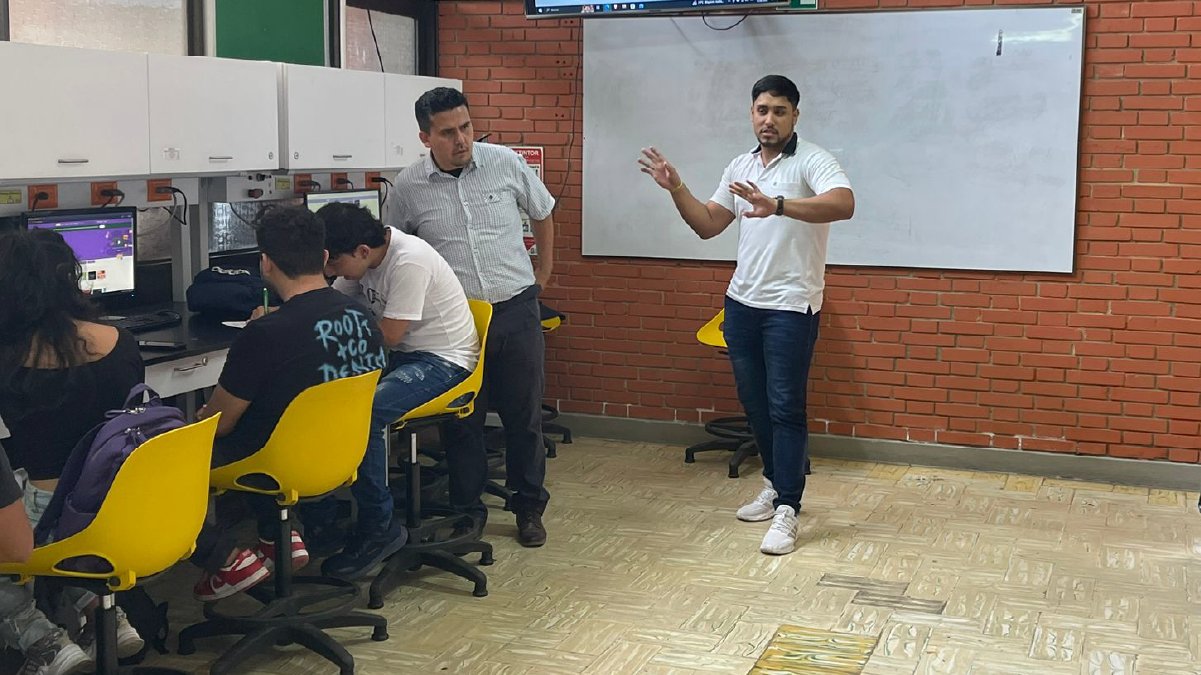
Accompanied by knowledge managers, the students had their questions answered. “We helped them throughout the entire process, until they achieved their goal: creating the game.”.
This workshop is essential because it opens their eyes to the importance of being programmers, security developers, robotics specialists, or automation engineers. "It also helps them to know how to solve problems and apply the necessary logic to find solutions.".
For Camilo Molina Useche, a first-semester Systems and Computer Engineering student, this basic Scratch programming workshop provided valuable learning experiences. “It was a lot of fun. I internalized many concepts, since I'm new to this. Playing with the movement of the shapes on the Scratch platform to create the game was interactive and interesting. Furthermore, this motivated me to learn more about this topic in order to become a good professional in the future.”.
Meanwhile, for Juan David Saa, who participated as an instructor in the workshop, this day was very challenging, as the students experienced firsthand, solved problems, and made decisions through interaction with the instructor and real-world scenarios, just as outlined in the Transmodern Digital Educational Model. “I had to use various pedagogical methods so they would fully understand the concept and operation of Scratch. The goal was for them to grasp the basic principles of programming, and I think we achieved that.”.
Finally, knowledge manager Edgar Roa commented that more educational activities are coming. “In this second term, we have planned Engineering Week, during which we will have a day dedicated to women in this field. We will also be holding marathons in programming, mathematics, physics, and knowledge management. An international engineering congress is also coming up, and we will use it to create opportunities for further learning, enriching our students' education, as outlined in the Transmodern Digital Educational Model.”.
In this way, UCundinamarca promotes a stance called dialogical and formative construction, which is the basis for building the student's knowledge and learning, with a view to a personal transformation that influences society.
News
News
News
News