Fusagasugá Branch
2026-09-24
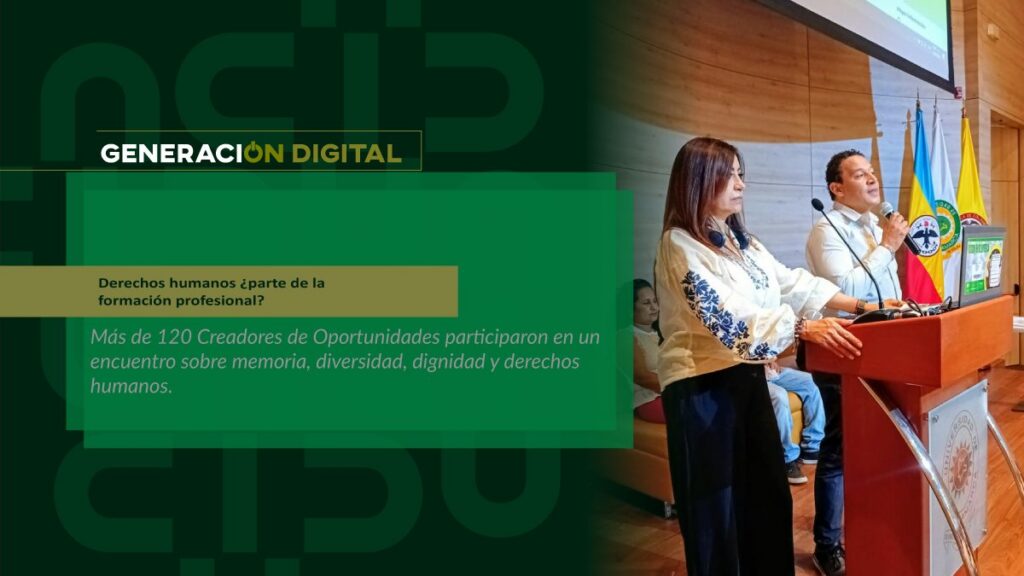
Human rights: part of professional training?
By: Alejandro García Suárez – Advisory Office of Communications


I am your virtual assistant, here to help you quickly and easily.
▲ Back to Top
By Juan Carlos Monzón - Communications Advisory Office
The UCundinamarca conceives that the classroom is not the only source of learning; but also realities such as culture, the person, society, the institution and nature, which when they interact, give rise to an expected learning outcome, thanks to interaction and problem solving, as happened on this trip to the deep and forgotten Colombia of the Pacific.
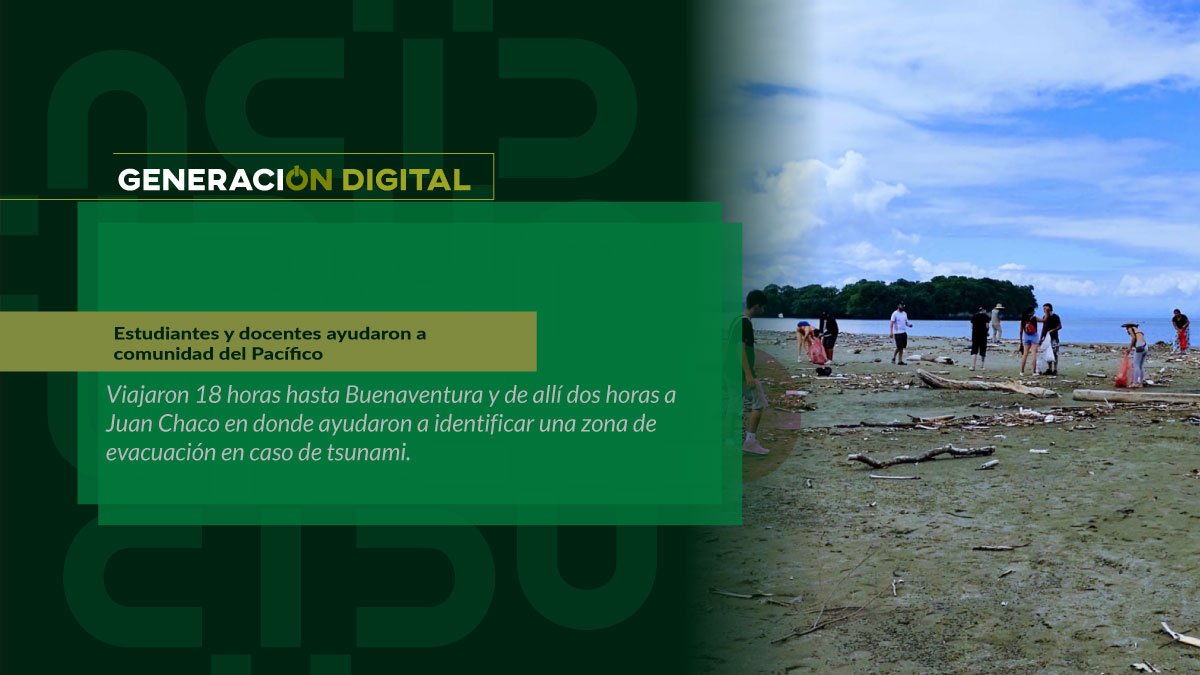
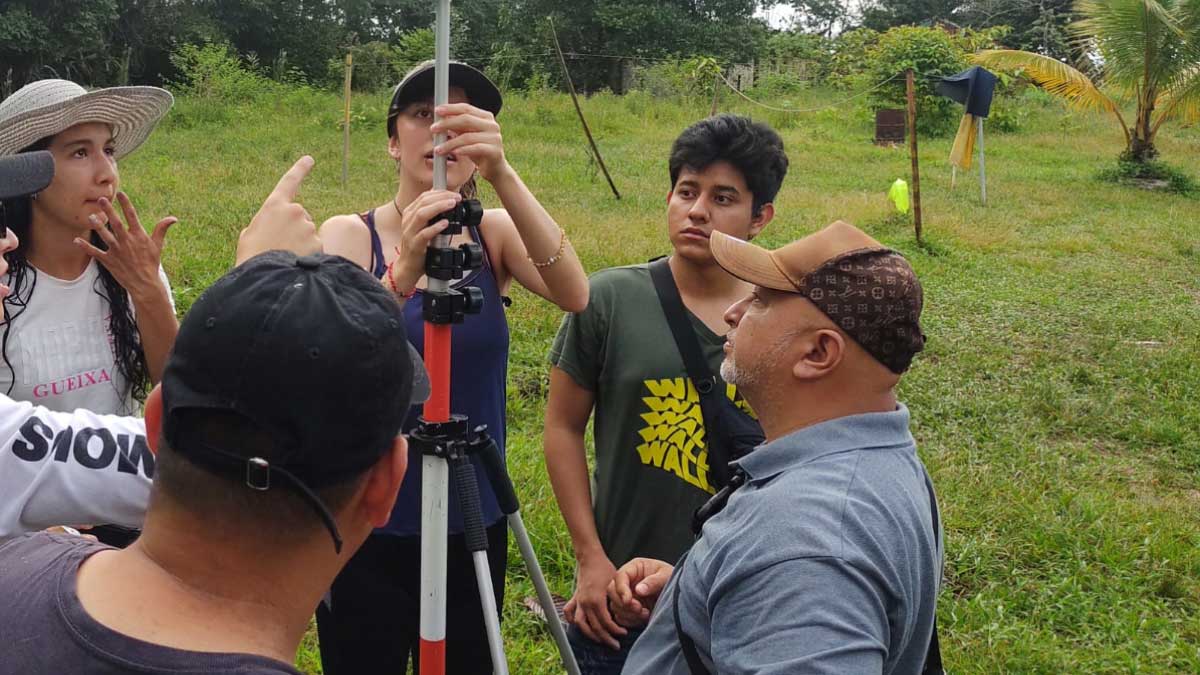
There, fifth- and sixth-semester students from the Cartography Technology program, accompanied by knowledge managers Jorge Guerrero, Gelberth Amarillo, Edier Ávila, and Luis Alberto Herrera, made the necessary visit to address this need. “We left Fusagasugá on May 10th and stayed until the 14th. It was a longer trip than expected due to the collapse of the La Pintada bridge, which forced us to detour through Armenia and Pereira. Afterward, we had to travel two hours by boat from Buenaventura to our final destination,” explains Herrera, the project leader.
And it is this contact with society, in open and constructive dialogue, as the Transmodern Digital Educational Model states, that allowed this delegation to contribute to the creation of an evacuation route and a meeting point in case of a tsunami. That's why they got to work with the goal of transforming this latent reality or danger. “For that, we brought dual-frequency antennas that allowed us to obtain the coordinates with precision.
That's how we located a point thirty meters high with the help of the community. There, with the students, we dug the holes, mixed the cement and sand, and placed plaques with the coordinates to locate the safest spot in case of emergency. At the same time, we flew a drone over the town to take photographs and get a more complete picture of the place.”.
Once the fieldwork was completed, they made commitments aimed at improving the emergency prevention system of a community neglected by a government that only focuses on large cities, abandoning the periphery. “With the information collected, we will create maps that we will deliver to the National Parks Administration and the Juan Chaco Community Council. Afterward, they will be responsible for disseminating this information and marking the location and the evacuation route.”.
A journey that transcended the pedagogical
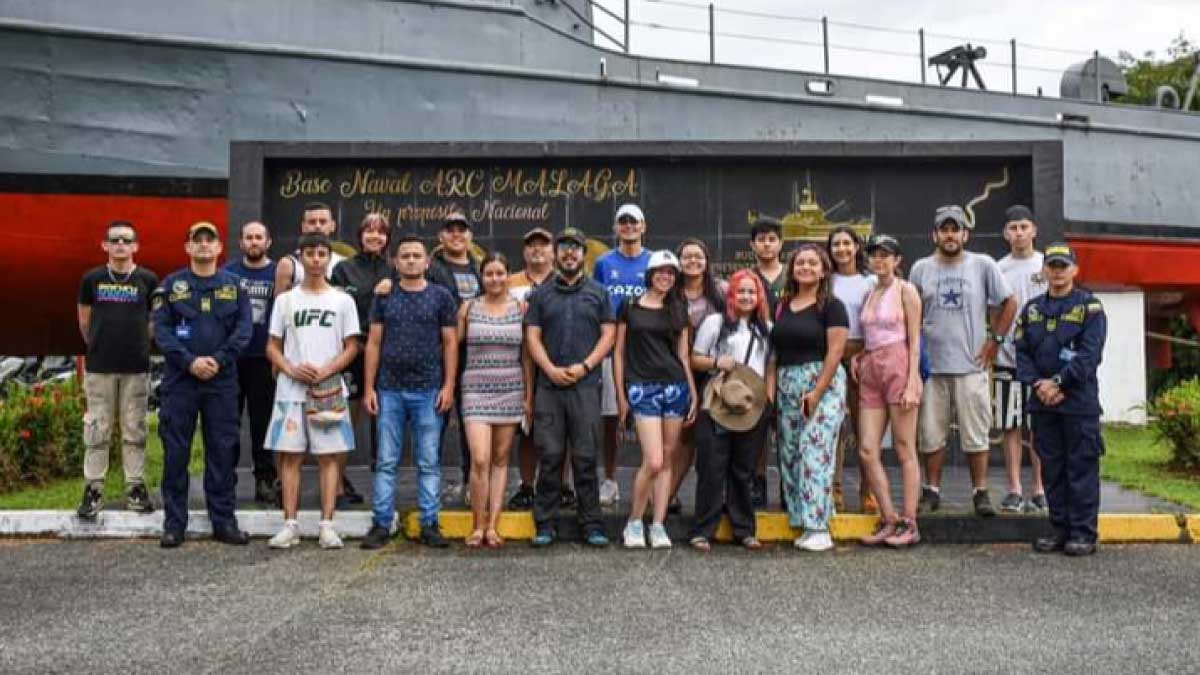
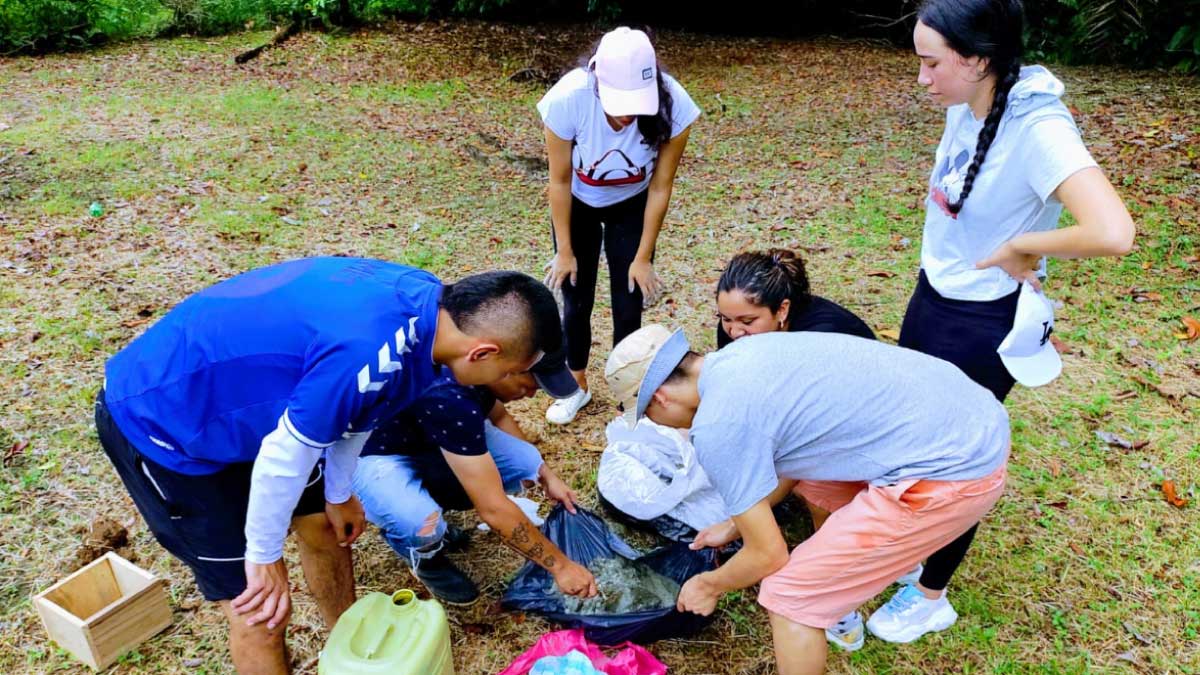
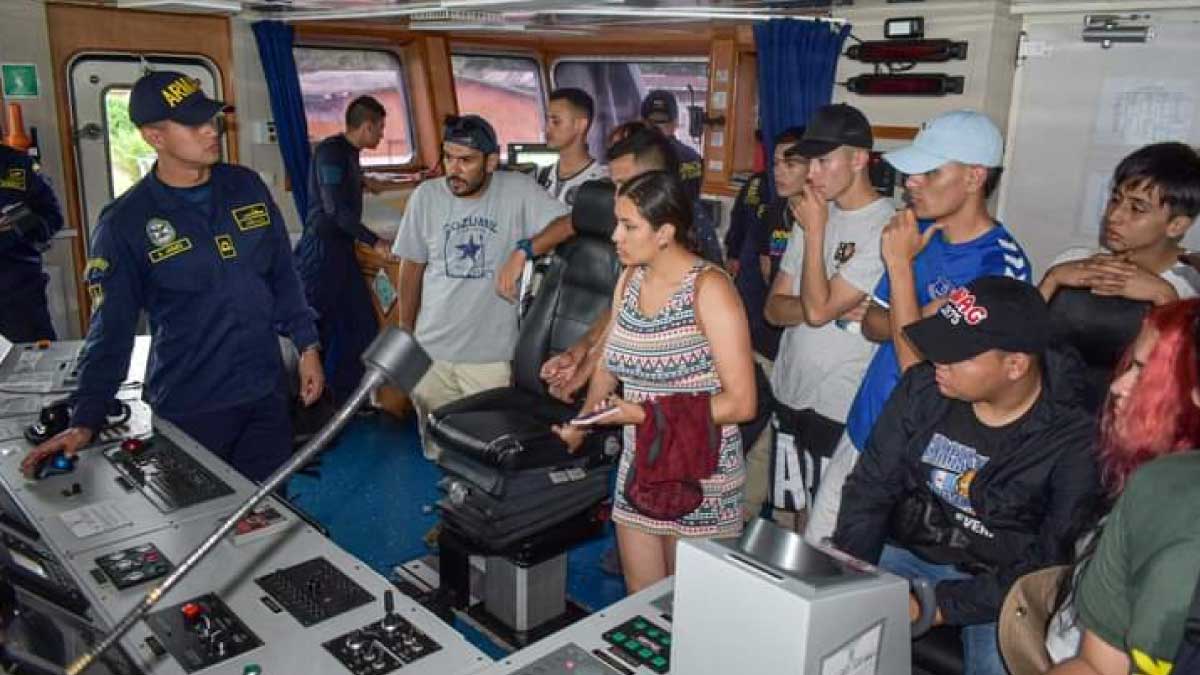
However, this academic trip to the region, which President Gustavo Petro described as the most unequal in Colombia at the First Summit of Pacific Mayors, didn't end there. “Thanks to the collaboration of Rear Admiral Carlos Alberto Serrano, commander of the Pacific Naval Force, we were able to visit the military base and have the students board the ARC Bahía Málaga ship to learn how marine cartography is used at sea. In this way, the ship became another classroom. We also organized a beach cleanup.”.
But beyond the academic aspect, this knowledge manager doesn't hesitate to describe the trip as enriching for his students. They experienced real-life situations, solved problems, and made decisions through interaction with the teacher, as MEDIT explains. “It wasn't just a pedagogical experience, but also a gastronomic and social one, since they were able to learn about the local way of life. For example, we stayed at a hotel where the food was seafood the entire time. Several of the students had never tried it before, and even fewer knew the Pacific Ocean, since they are all from Fusagasugá,” Herrera concluded.
With this experience, the words of the rector, Dr. Adriano Muñoz Barrera, once again gain value, who has said that the university seeks a subject who, in addition to achieving his personal development, becomes a transformative agent who contributes significantly to his environment, to society and to nature.
News
News
News
News