Fusagasugá Branch
2026-09-24
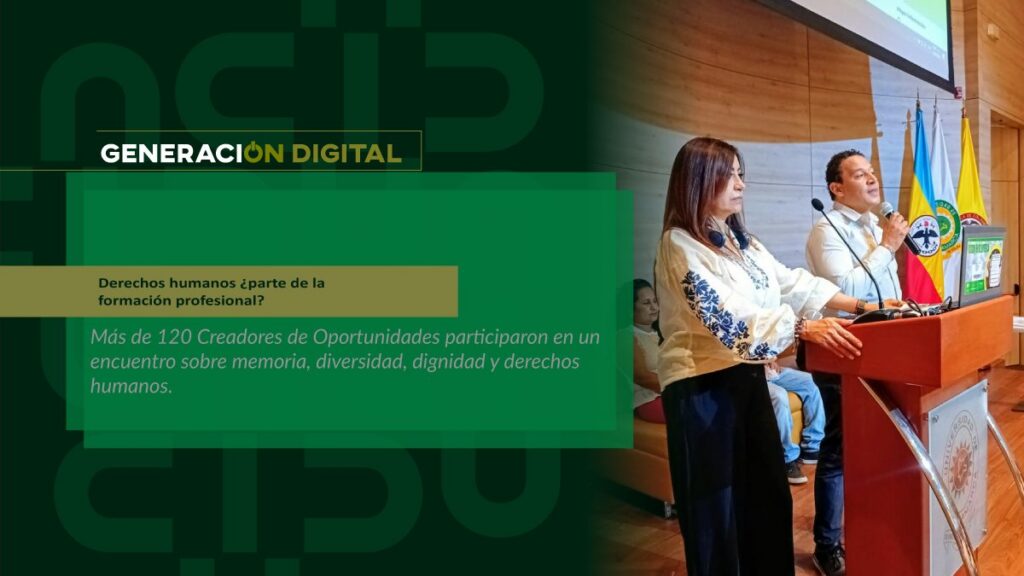
Human rights: part of professional training?
By: Alejandro García Suárez – Advisory Office of Communications
Loading...



I am your virtual assistant, here to help you quickly and easily.
▲ Back to Top
In the first part of the tour we visited the Gold Museum; an emblematic place for its transcendental history towards our indigenous roots, colonies, customs and evolution. We were able to learn the different hunting techniques, agriculture, crafts, costumes, hierarchies, dances, customs, among others; according to the pre-Colombian indigenous culture to which it belonged.
At that time, the animals were very representative, they had lots of symbolism; their meaning of strength, purity, fertility and wealth, each person also identified with some kind of animal spirit that was the guide in his life, people had a very deep connection with nature and they respected everything that this game. Colombia has always been characterized by an immense wealth of metals such as gold, silver and copper, precious stones and very important minerals such as emerald, quartz, shell, salt and many other things.
The Indians who lived at that time dressed and took advantage of all those riches since it was normal to have them, this was important for them and the more they had, the more recognized or respected they were in front of others.
At the time of the Spanish conquest, the Spanish took advantage to steal all these riches, enslaved and gradually disappeared these cultures that were really the origin of our country. Today we see it as something historical and representative. However, our culture does not keep many of these customs and it is even less relevant this history to Colombians, but foreigners are amazed to see this kind of places that can rescue this culture that at some point in history was so important.
As a second part of the excursion, we went through the downtown in Bogota, La Candelaria, where the tour guides taught us the history of several heritage sites around it, we were able to know a little more about our country, its origin, who participated during the historical events, as we went through each emblematic place in the downtown, the tour guides told us a little more about what Colombia is today.
We took a trip to the past through the Palace of Justice well known for the historic event The Bogotazo, The Cathedral, The Bolivar Square, the Vase House where our independence began, Teatro Colón which was the main venue for scenic and artistic exhibitions, each one of the details that its architecture handles.
We knew Botero's museum, where we can find the work of one of our most important artists in history such as Fernando Botero, each of his works, as he represents through different bulky painting techniques, things, men, women or animals, meaning for him sensuality and a way of expressing his art, through these he seeks to transform reality. The Casa de la Moneda was also one of the places we visited seeing the evolution of money in Colombia, the distribution of wealth, even since when the Spanish Crown took gold, silver and precious stones as items to pay for their government.
Finally, our tour through La Candelaria ended at where Bogotá started with only 10 huts “El Chorro de Quevedo”, now we see how this city has been transformed into a metropolis, full of history and tourist places, this has been a pleasant and enriching experience.
In the first part of the tour, we visited the Gold Museum, an emblematic place due to its profound history and connection to our indigenous roots, colonial past, customs, and evolution according to the region where it was located. We learned about different hunting techniques, agriculture, crafts, clothing, social hierarchies, dances, customs, and more, depending on the pre-Columbian indigenous culture to which it belonged. Animals were very significant at that time, symbolizing strength, purity, fertility, and wealth. Each person identified with a particular animal spirit that guided them in life. They had a deep connection with nature and respected their surroundings and everything they received.
Colombia has always been characterized by its immense wealth in metals such as gold, silver, and copper, precious stones, and important minerals such as emeralds, quartz, coral, salt, and many more. The indigenous people who lived there at that time wore and used all these riches, as it was normal to possess them. This was important to them, and the more they had, the more recognized they were among others.
At the time of the Spanish conquest, the Spanish took advantage of the situation to steal all these riches, enslave the people, and gradually eradicate these cultures that were truly the origin of our country. Today, we see it as something historical and representative; however, our culture doesn't preserve many of these customs, and this history is becoming less and less relevant to Colombians. But foreigners are amazed to see places like this that preserve a culture that was once so important.
As a second part of the outing, we toured the Candelaria sector in the center of Bogotá, where we learned about the history of several heritage sites in the area. We were able to learn a little more about our country, its origins, and who participated in its history, since as we visited each emblematic place in the city center, we learned a little more about what Colombia is today.
We took a trip back in time through the Palace of Justice, well known for the historical event El Bogotazo, the Primatial Cathedral, Bolívar Square, the House of the Vase where our independence began, how the Colón Theater was the main place for scenic and artistic performances, each of the details that its architecture handles and how in the past the social stratum to which each person belonged was very important.
We visited the Botero Museum, where the work of one of our most important artists in history, Fernando Botero, is located. Each of his works, as he represents through different painting techniques, depicts voluminous things, men, women, or animals, signifying sensuality for him and a way of expressing his art. Through these, he seeks to transform reality.
The Mint was another place we visited, observing the evolution of money in Colombia, the distribution of wealth, even from when the Spanish crown used gold, silver, and precious stones to pay for its government.
Finally, from our tour of La Candelaria, we arrived at El Chorro de Quevedo, where Bogotá began with just 10 huts. Now we see how it has been transformed into a great city full of history and tourist attractions, making this a pleasant and enriching experience.
News
News
News
News