News
2026-09-24
Human rights: part of professional training?
By: Alejandro García Suárez – Advisory Office of Communications


I am your virtual assistant, here to help you quickly and easily.
▲ Back to Top
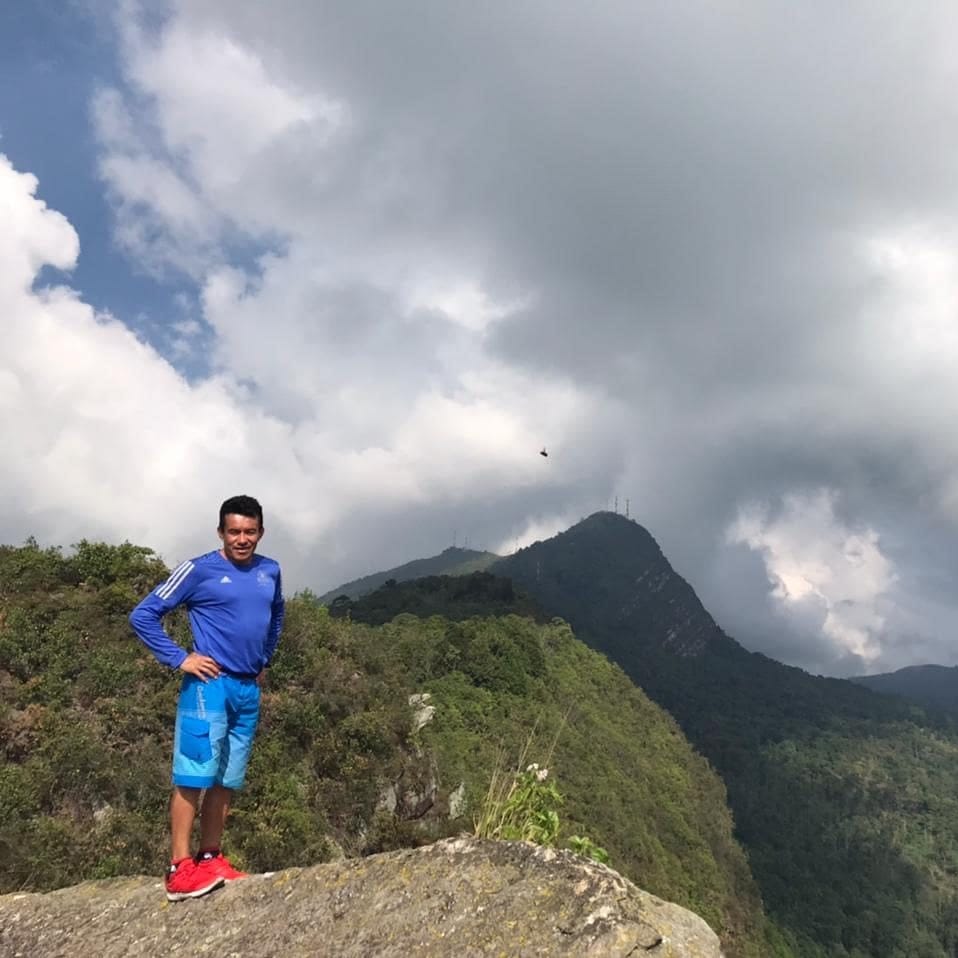
“The way we train changed, sports venues were closed, and competitions were canceled. Covid-19 forced us to reinvent ourselves and be creative to continue playing sports,” said Guillermo Cantor, a graduate of the Sports Science and Physical Education program at the University of Cundinamarca more than 20 years ago.
After establishing training routines, a job, and several students, "Profe" Cantor had to change his life after the announcement of a global pandemic in March 2020. Like him, many athletes suffered through several weeks of strict quarantine.
A couple of weeks later, after measuring the impact that the total lockdown had on health, the National Government allowed people to practice sports. From that moment on, many athletes became infected and others had to use tools to avoid exposing themselves and their families.
Colombian athletes were affected by the isolation measures and many of them directly suffered from the contagion of this virus; however, the fighting spirit of the athletes and the desire to move forward in these times of learning for everyone is stronger.
This is how Guillermo Cantor continued his training as a high-performance athlete. Throughout his career, he competed in various competitions worldwide, including the Boston, Chicago, and Miami Marathons, winning the latter. He is a great source of pride for the University of Cundinamarca, where he studied and was a faculty member until 2020, another change brought about by the pandemic.
But the dreams didn't stop. Guillermo trains daily and is preparing for the Chicago Marathon, which couldn't be held last year due to the pandemic and is rescheduled for October 2021. There, he hopes to bring great honor to Fusagasugá and the University of Cundinamarca.
Where there's a will, there's a way.
Despite the closure of sports venues, mobility restrictions, biosecurity protocols, and other challenges brought about by the pandemic, Guillermo Cantor continues to pursue his goals. “When you are a dedicated athlete, you invent whatever it takes: you have things at home that can help you exercise without having to go to a gym, we can do some outdoor training and do our best to maintain our performance,” the athlete stated.
The graduate of the University of Cundinamarca continues to train young people from Fusagasugá, the few who remained, because he says that the parents, out of fear of the virus, preferred to leave them at home and postpone training until everything is over.
For its part, the Ministry of Sport encourages Colombians to practice sports, physical activity and make good use of their free time, provides sports facilities in the municipalities and gives recommendations for self-care during these practices.
Cantor values these kinds of initiatives and encourages parents to overcome their fear and instill a love of sports in their children while adhering to biosafety protocols to prevent infections. “Sports are one of the best ways to keep young people away from drugs and crime. Athletes have values, and as coaches, we instill discipline in them so they become good people,” he said.
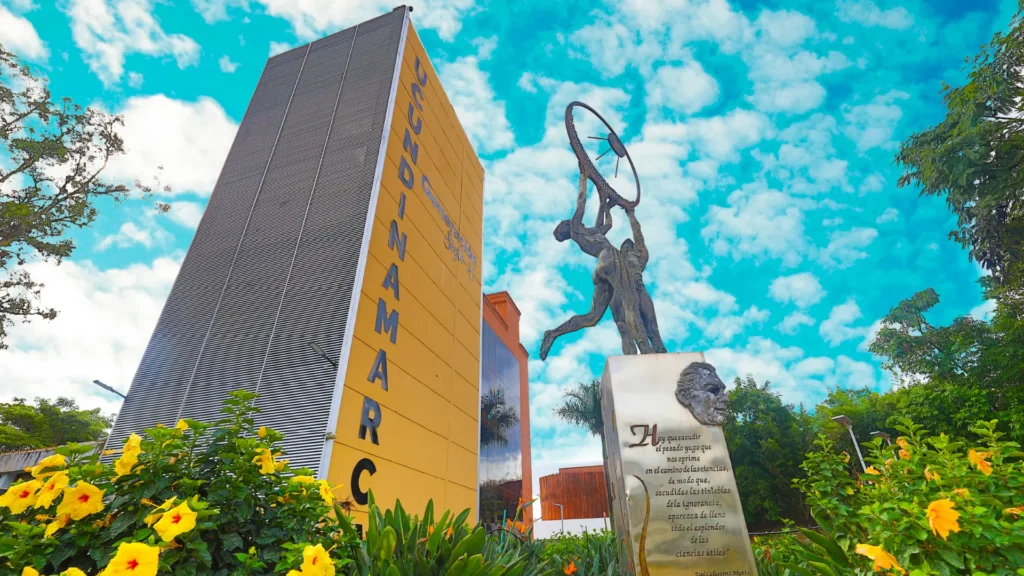
During his 20 years as a professor at the University of Cundinamarca, Guillermo Cantor carried out various sports projects, including the Cundinamarca Athletic Race, which year after year gained more popularity and more people were motivated to participate. At the beginning of the pandemic, he stopped teaching at the University and, hoping that all this will pass, he hopes to return to the place he considers a second home.
News
News
News
News