News
2026-09-24
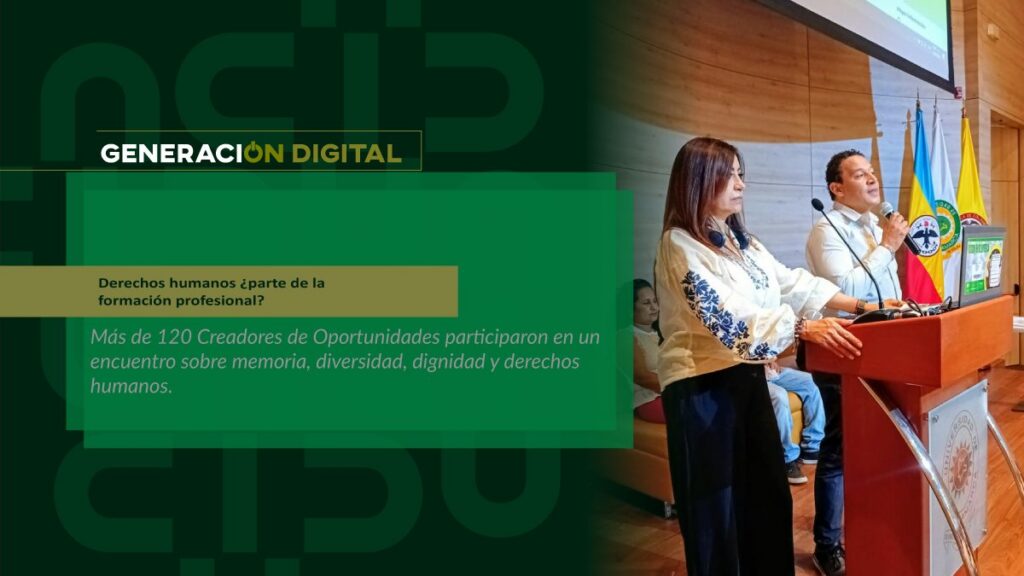
Human rights: part of professional training?
By: Alejandro García Suárez – Advisory Office of Communications


I am your virtual assistant, here to help you quickly and easily.
▲ Back to Top
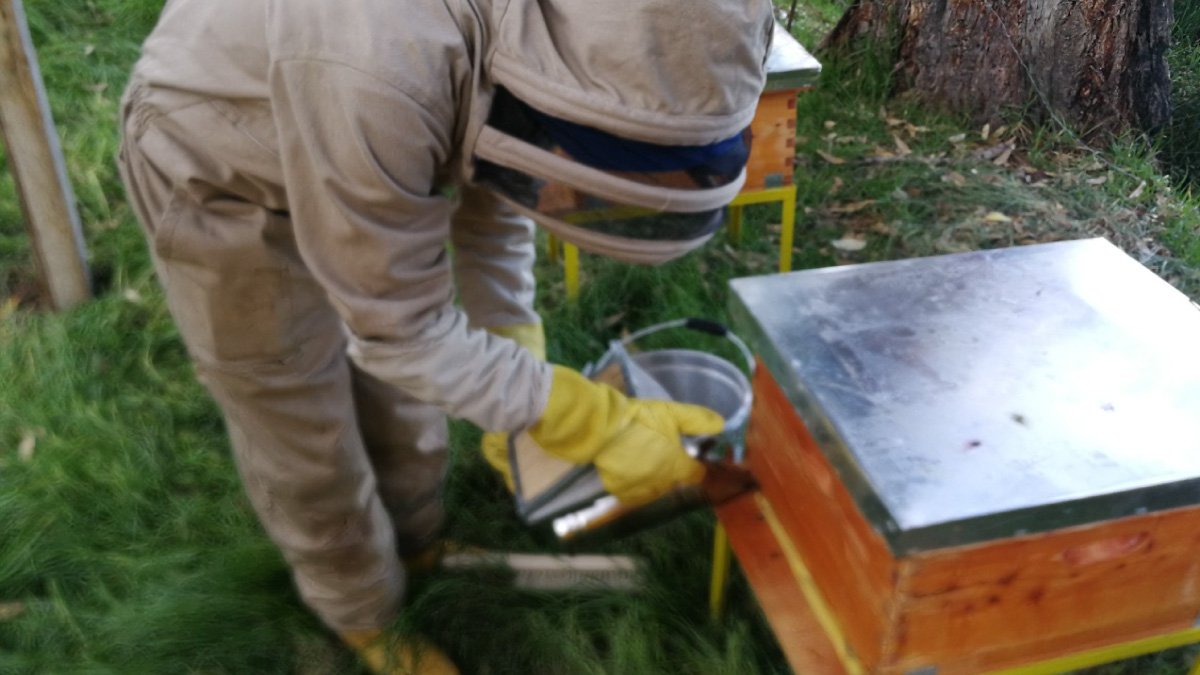
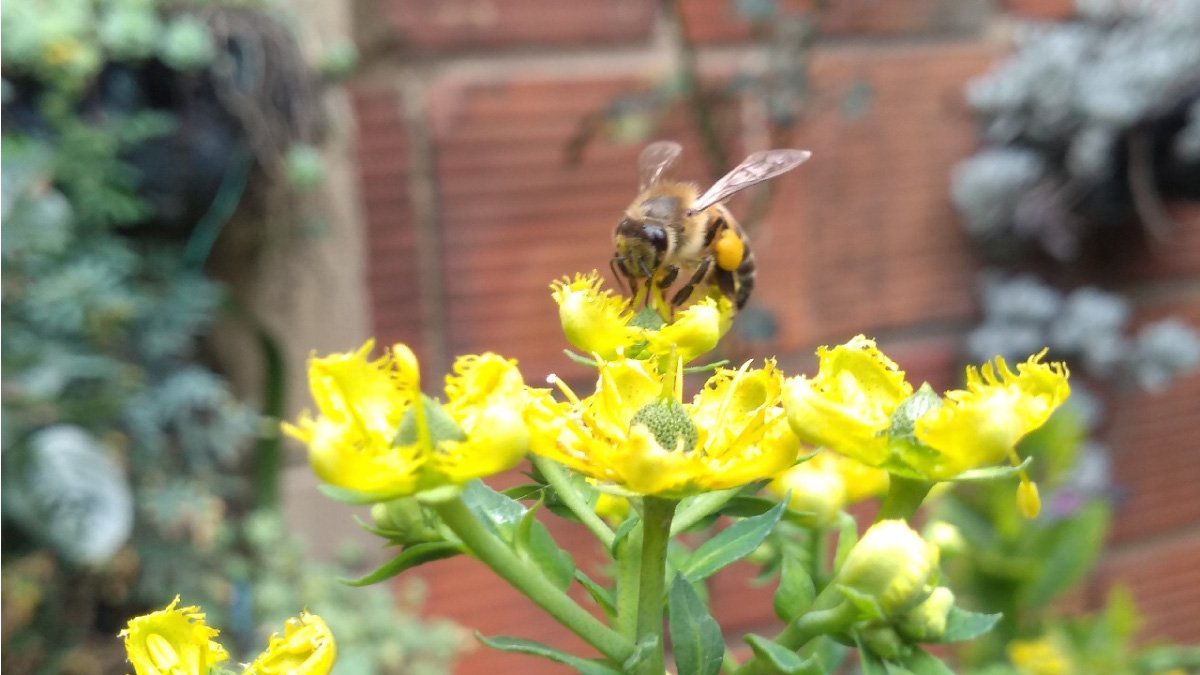
On World Bee Day, organizations from all countries are uniting to raise awareness about the importance of this species, which is threatened with extinction. The Ubaté branch of the University of Cundinamarca, through its radio program "Ubaté para la Vida" (Ubaté for Life) and its "Sembrando Esperanza" (Sowing Hope) segment, along with the Environmental Management System and the University of Cundinamarca's Apiculture Research Group, are calling for the protection of bees.
“Now is the time to rethink our relationship with nature and pollinators and the measures we can take to support these small but selfless workers and the livelihoods of millions of people that bees, in turn, support,” said Miguel Cortes, a student intern at the SGA North Node.
UCundinamarca is taking action to protect this pollinating species and raise awareness in communities, such as the work from the research seedbed and in the El Tibar Agro-environmental Unit, where we have a beekeeping system.
Like bees, other pollinators are in danger; let us remember that pollination is a fundamental process for the survival of ecosystems, essential for the production and reproduction of many crops and wild plants.
“Nearly 90% of flowering plants depend on pollination to reproduce; likewise, 75% of the world’s food crops depend to some extent on pollination, as does 35% of global agricultural land. Pollinators not only contribute directly to food security, but are also essential for conserving biodiversity,” explained engineer Cateryne Rodríguez, Environmental Professional for the Environmental Management System in Ubaté.
The Bees at UAA El Tibar
Camila Arévalo is currently in charge of the beekeeping system at the El Tibar Agro-environmental Unit, which established its first hive in 2018 and now has six. This serves as an academic space for animal science students, allowing them to learn about the species, observe beekeeping practices, and gain practical experience in its management and production.
“The species we have in El Tibar, the care we receive, and aspects such as water, the environment, and the fact that we are more than 2,000 meters above sea level, have strengthened the production system, including the production of pollen, honey, propolis, and royal jelly,” Arévalo explained.
Currently at the UAA El Tibar, bees contribute to the pollination of other crops such as corn, oats, fruit trees, and living fences, among others. This has strengthened the beekeeping production system in a sustainable and environmentally friendly way.
The investigation
“The bees at UAA El Tibar contribute to the crops and the preservation of other species found there. It creates a chain of benefits; for example, with regard to fruit trees: pollination results in better quality fruit,” explained Professor Judith Castiblanco, leader of the Apiculture research group.
From the research seedbed, the literature and knowledge transfer are constantly reviewed through spaces that contribute to socialization or exchange of experiences.
In addition, a booklet is being developed to educate communities, so that they contribute to the care of the species, respect it and are aware of its importance in ecosystems, understanding the history and evolution of bees in our country.
News
News
News
News