News
2026-09-24
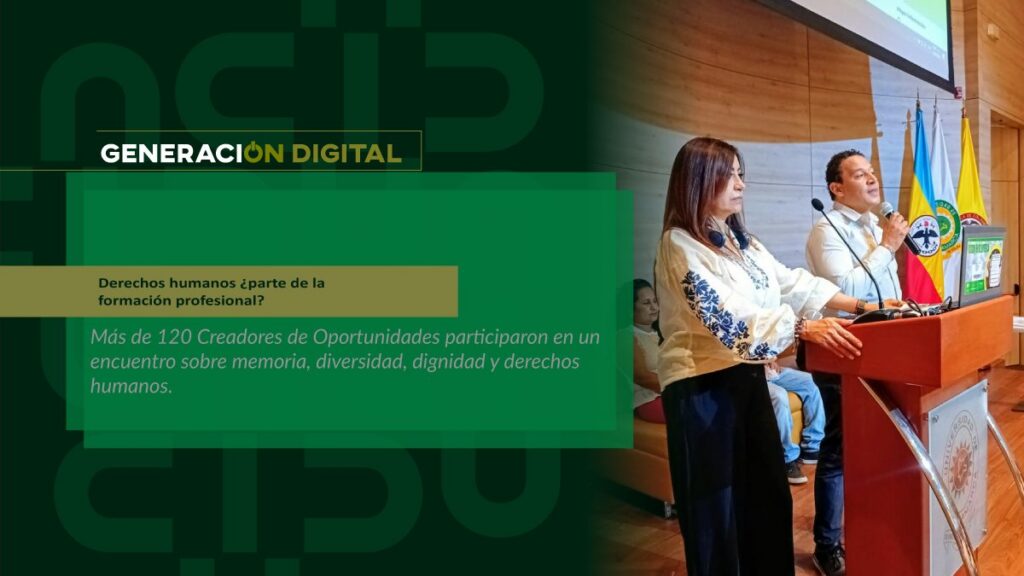
Human rights: part of professional training?
By: Alejandro García Suárez – Advisory Office of Communications



I am your virtual assistant, here to help you quickly and easily.
▲ Back to Top
By: Carolina Rojas – Advisory Office of Communications
The News Agency of the University of Cundinamarca, in order to learn how academic spaces, especially the CAI Zones, contribute to the teaching-learning processes in the Ubaté branch, interviewed Marcela Sánchez, coordinator of Physical Resources and General Services of this branch, who told us about the evolution and progress of the academic spaces.
UCundinamarca News Agency (ANUC) What academic spaces does the Ubaté branch currently have?
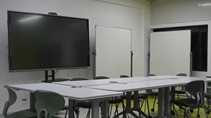
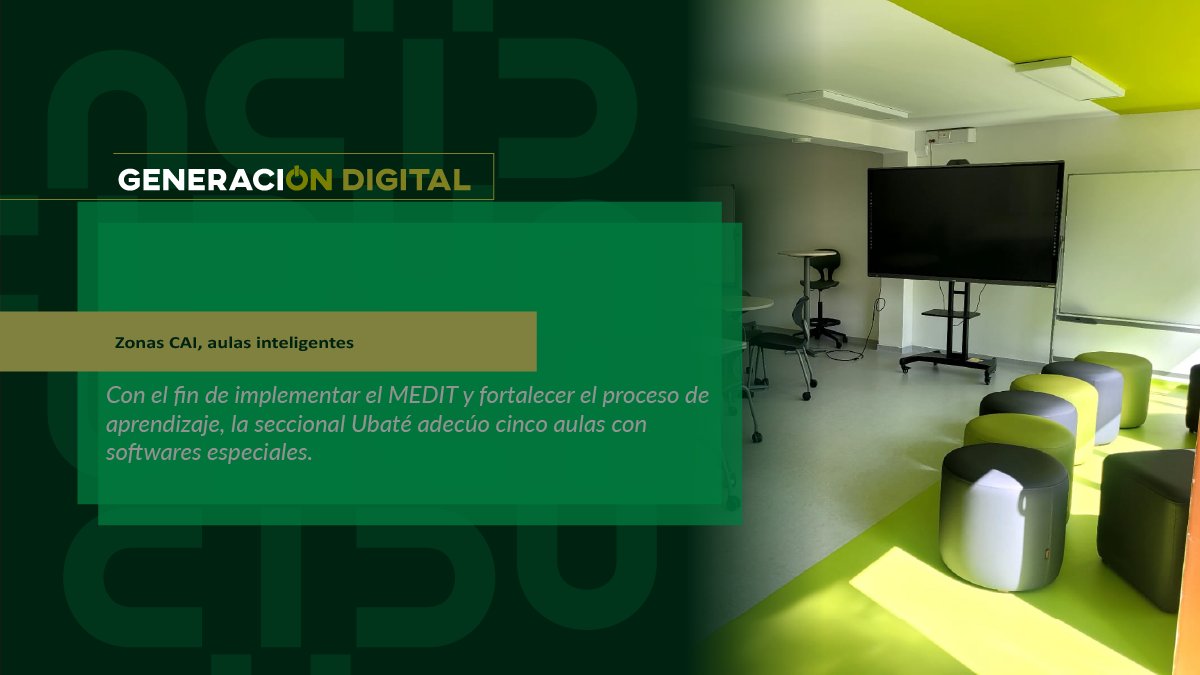
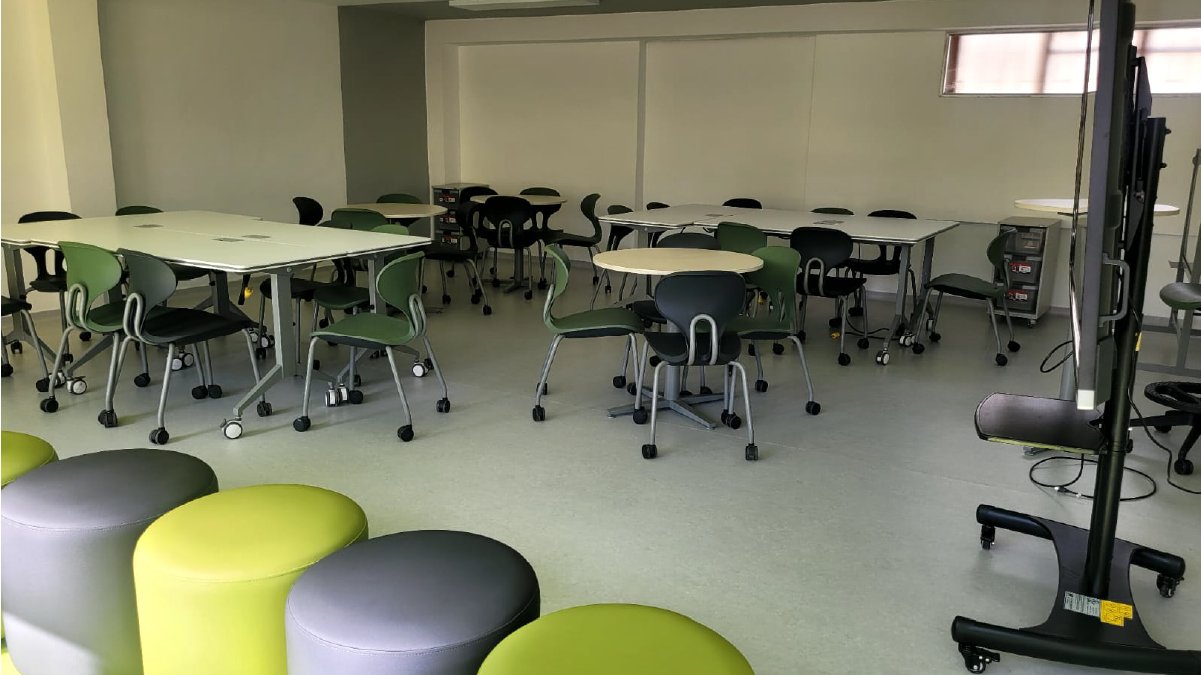
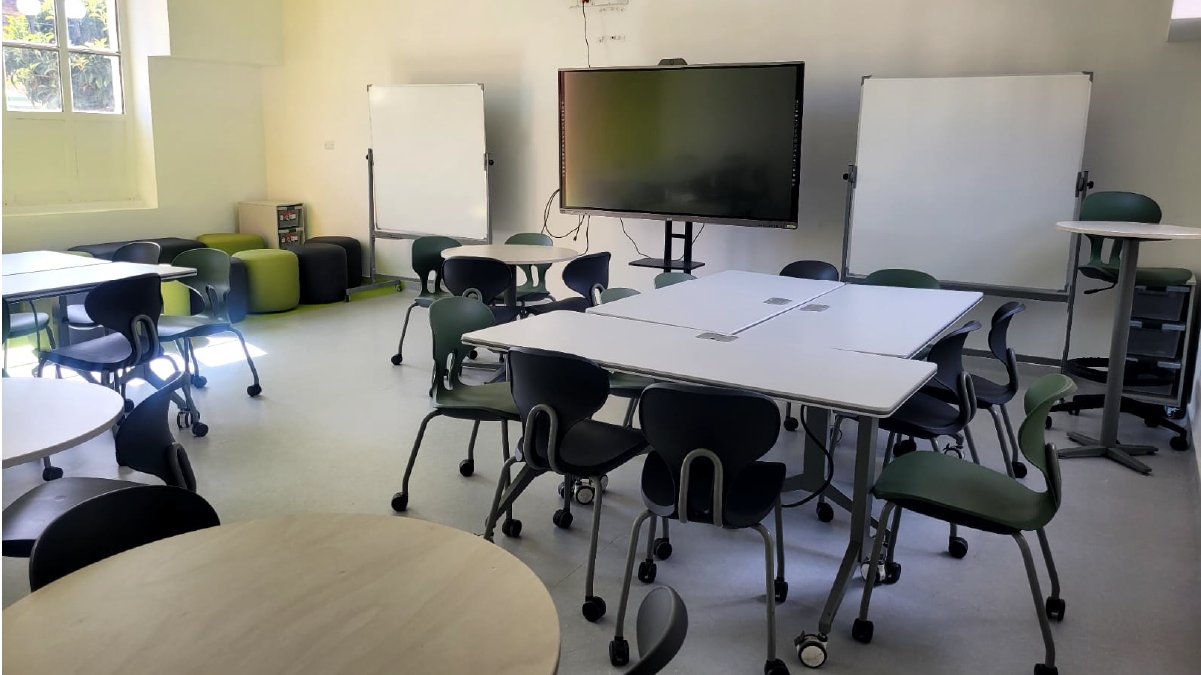
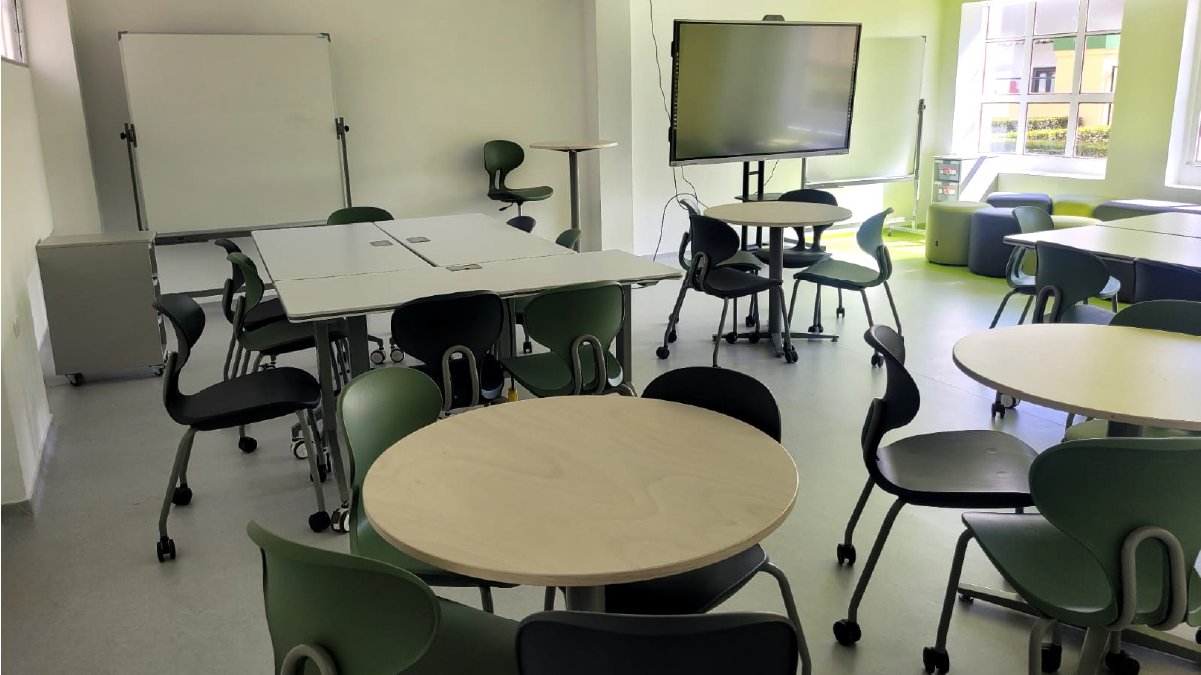
Marcela Sánchez (MS)Currently, the Ubaté branch has 19 classrooms, five of which are specialized classrooms—that is, CAI zones—that are committed to the implementation of the Transmodern Digital Educational Model (MEDIT) and the Rector's Plan. For these CAI zones, the university acquired special furniture because they are smart classrooms, equipped with whiteboards, 25” LED screens, and each classroom is specialized in a particular subject and therefore has specialized software installed.
ANUC: How long has the Ubaté branch had these CAI zones?
MSWe've had these classrooms in place for a year now, and depending on the development plan created for this new period, more will be implemented. However, the other classrooms also have university-level furniture, meaning they have HDMI televisions to make it easier for knowledge and learning managers to conduct their classes.
We have eight computer labs, each with a capacity for 40 students, equipped with HDMI televisions and equipment in excellent condition. For more dynamic spaces, the branch also has the Alberto Urdaneta Auditorium and the Creativity Room.
For practical exercises and workshops, there are six laboratories available for the Animal Science and Systems Engineering programs.
ANUC: How have these spaces been evolving?
MSThey have evolved a lot. I graduated from this branch eight years ago, and at that time we didn't have televisions in the classrooms. So, to present, we had to request the only video projector they had from the program well in advance, and if we were lucky that other semesters didn't need it, then we could present.
In a very short time I have seen how all the classrooms have all the technological equipment for presentations because all the rooms have 50” screens or televisions, the auditoriums also have screens, video projectors and sound systems.
ANUC: How have these improvements been coordinated with MEDIT?
MS: MEDIT talks about innovation in technology, and these teams innovate classrooms and make it easier for knowledge and learning managers to teach in a more didactic way and support students in their training for life.
ANUC: Are these spaces available for loan to the external community?
MS: We are open to the community and have the Alberto Urdaneta Auditorium, the Creativity Room, and classrooms available for loan. The process is simple: any person or company interested in requesting these spaces should submit a letter to the correspondence office indicating the date and time they require them. We will then check availability and respond.
ANUC: Do you consider this approach to be an innovation within the institution?
MS: The University is truly innovating, improving its facilities, classrooms, and all spaces so that students can acquire professional and personal knowledge and prepare for life with values.
News
News
News
News