News
2026-09-24
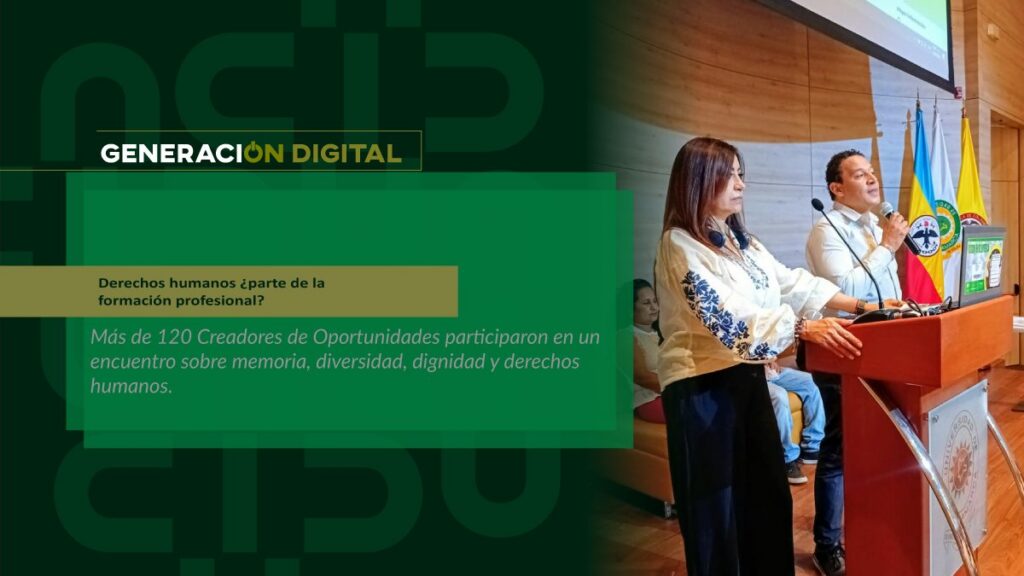
Human rights: part of professional training?
By: Alejandro García Suárez – Advisory Office of Communications



I am your virtual assistant, here to help you quickly and easily.
▲ Back to Top
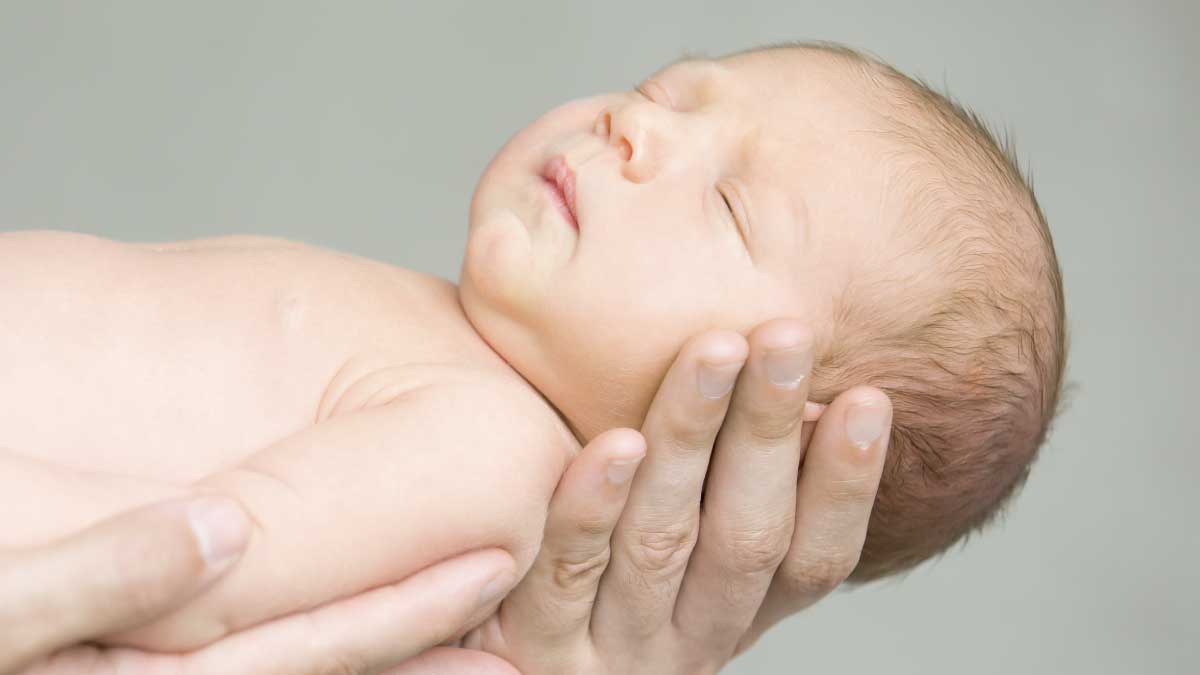
Taking into account the principles and values of the University of Cundinamarca during the training of its students, the research group "Caring for Women" is creating an institutional proposal in which a protocol for the care of the mother during and after childbirth, based on the practices of traditional midwives, will be made available to nurses.
In Latin America, the knowledge of midwives is being revived in order to preserve the cultural traditions of many countries. In fact, the World Health Organization has referred to the Millennium Development Goals, which address the care of mothers, taking into account midwives, indigenous people, and other population groups.
“By proposing an institutional protocol, we are not seeking to disregard scientific knowledge, but rather to integrate it with the knowledge and cultural wisdom of midwives in Latin America. We want to bring this research to discussions and meetings like this one,” stated Juan David Cetina, a researcher, during the Second Meeting of Research Groups on Science, Technology, and Innovation in the Digital Age.
This research is based on the theory of universality and cultural diversity of the nurse, Madeleine Leininger, who maintains that transcultural nursing is that which focuses on the study and comparative analysis of the different cultures and subcultures of the world.
Therefore, the main objective is to determine the care provided by traditional midwives to women during labor and delivery, based on a review of scientific articles, in order to establish results that can be integrated into nursing care with the aim of proposing a transcultural nursing care approach that promotes humanized care for women in delivery room services.
“In our country, there are both traditional and urban midwifery practices. Some institutions are integrating knowledge and care within the framework of humanizing childbirth. The process is advancing, and therefore, as professionals, we must broaden our knowledge to learn, unlearn, and integrate knowledge aimed at guaranteeing culturally congruent care in times when, due to various factors, migration has increased and the pandemic has led many women to seek care at home for fear of infection,” stated Professor and project advisor, Mary Luz Monroy.
The seedbeds believe it is important to debate this issue in the region, in the country and internationally so that women have the freedom to decide whether or not they want a biomedical practice.
“Currently, biomedical practice does not guarantee comfort and relief for pregnant women during labor and delivery. Oral intake is restricted, they are not allowed to be accompanied by their loved ones, they are prevented from walking, and they are forced into a horizontal position for childbirth,” said Xiomara Medina during the presentation of the project.
The final proposal for the seedbed, with data from the Cundinamarca department, is expected to be released in the coming weeks, with the aim of implementing it.
Life and human dignity are values and principles that support the Transmodern Digital Educational Model of the University of Cundinamarca, and therefore this type of project supports them.
News
News
News
News