News
2026-09-24
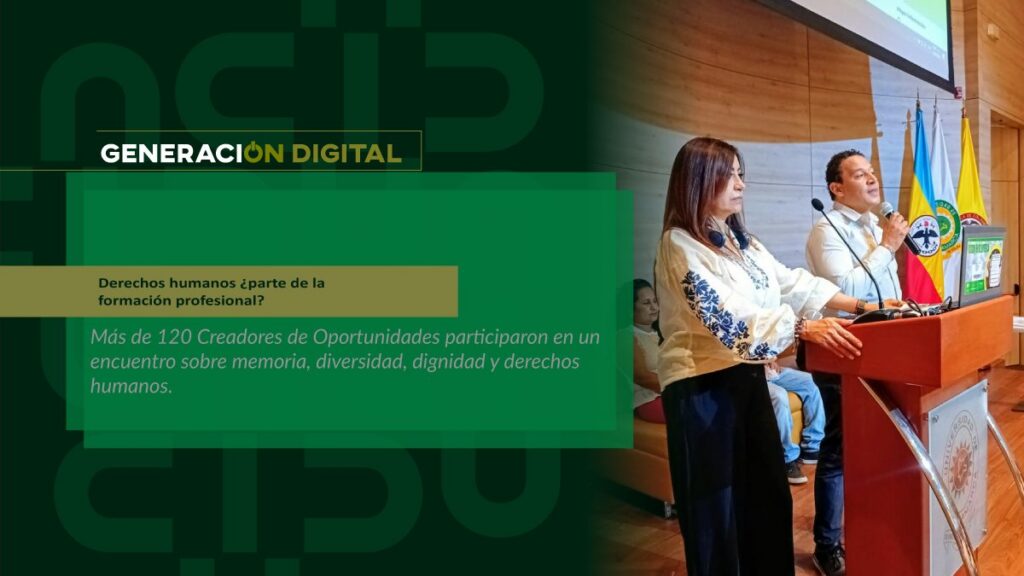
Human rights: part of professional training?
By: Alejandro García Suárez – Advisory Office of Communications



I am your virtual assistant, here to help you quickly and easily.
▲ Back to Top

By: Carolina Rojas – Communications Advisory Office
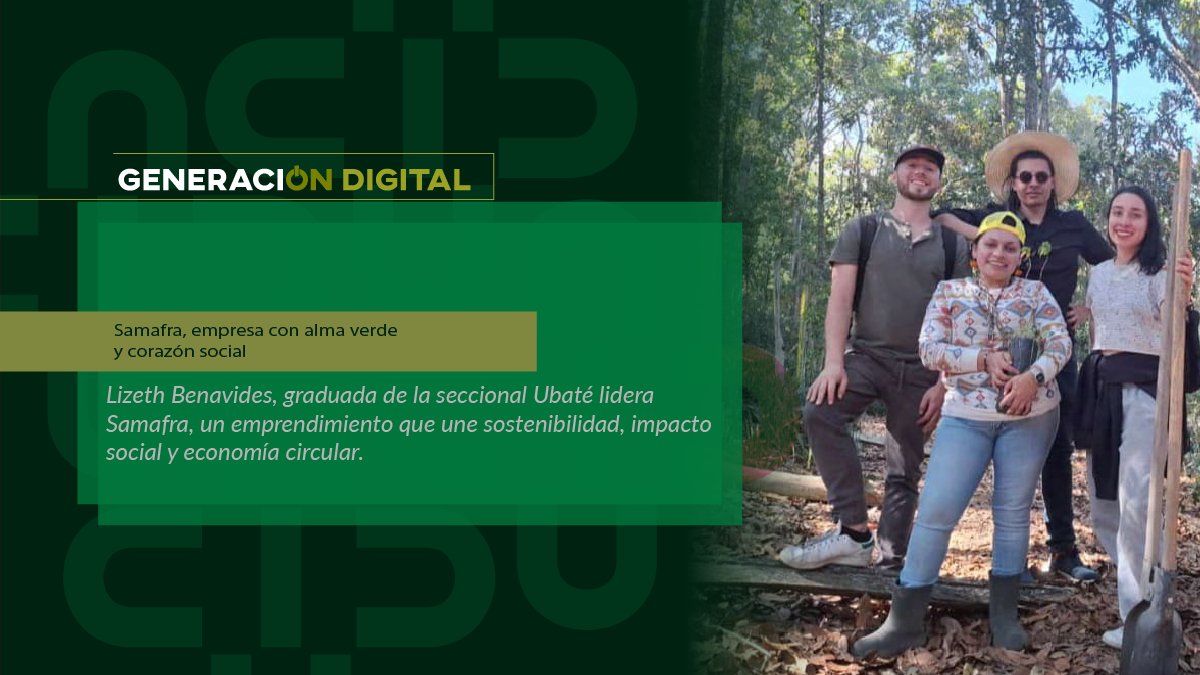
From university classrooms to the heart of sustainable entrepreneurship, Lizeth Benavides, a graduate of the Business Administration program, has forged a path that combines environmental commitment, social awareness, and female leadership. She is the founder of Samafra, an initiative that transforms waste into opportunities for vulnerable communities and actively reduces the carbon and textile footprint in the region.
From her sixth semester of university, Lizeth knew her purpose had to be aligned with environmental stewardship. All her academic projects revolved around ecotourism, sustainable development, and social impact, receiving constant support from her professors. It was this focus that charted the course for what would later become her vocation and her business.
“My work in the public sector allowed me to see many social realities and needs. Later, when I entered the environmental and mining sector, I identified opportunities to generate income while contributing to the planet. That's when I said, 'this is the way',‘ Lizeth says with a smile.
Samafra: an action with impact
The pandemic was the turning point. In 2020, Lizeth resigned from her job in the civil service to take on new challenges in the environmental sector, where she met key people with whom she would later found Samafra. The initiative began as a non-profit effort, but with a vision of economic sustainability.
Samafra's main objective is to reduce carbon and textile footprints through circular economy processes. They collect PET bottles, used clothing, and other recyclable materials to transform them into useful or handcrafted products. Their impact is measurable: for example, an average family generates between 20 and 25 PET bottles per month; Samafra collects and reuses thousands of these per year.
Furthermore, they have managed to collect between 60 and 70 kg of clothing weekly, which, instead of ending up in landfills, is donated to nursing homes and vulnerable communities in the region. “A garment should be worn between 100 and 150 times. Changing that consumption mindset is key to reducing textile pollution,” Lizeth emphasizes.
Samafra's work goes beyond waste collection. Lizeth has forged alliances with educational institutions like the Capellanía Technical Institute, which donates used notebooks to be transformed into handmade paper, preventing their incineration or disposal in landfills. They also collaborate with plant nurseries, associations of single mothers, and kindergartens in Ubaté.
“The University has been a tremendous support. I didn’t graduate and disconnect; on the contrary, I feel I’m still connected. They’ve supported us with campaigns, legal and accounting advice through the undergraduate programs in Accounting and Administration. That has been fundamental,” she emphasizes.
Like any entrepreneur, Lizeth has faced obstacles. One of the biggest has been legal matters: changes to bylaws, registration with the Chamber of Commerce, and adapting to economic activity codes. She has also experienced partner turnover, as many of the original founders have pursued other professional paths.
“Sometimes you have to take on costs and responsibilities you don’t foresee. But if you don’t take risks, you don’t move forward. The hardest part hasn’t been the money, it’s been staying firm in the idea. And there, the University has once again been there to lend a hand.”.
Inspiring through action
His message to future entrepreneurs is direct and motivating:
“Just do it. Even if you don’t have money. The worst thing about not doing anything is not taking risks. All the big brands started from the bottom. I only had an idea, but I stayed consistent. Now I can say that I did it, and that I’m still doing it.”.
Samafra has been recognized by the City Council as an environmental leadership initiative. Furthermore, it has received support from organizations such as Fedecarbón and national foundations for its focus on sustainability.
Lizeth Benavides is today a leading figure in purpose-driven entrepreneurship. Her story demonstrates that, with conviction, academic training, and a strong desire to positively impact the environment, it is possible to create companies that transform realities.
News
News
News
News