News
2026-09-24
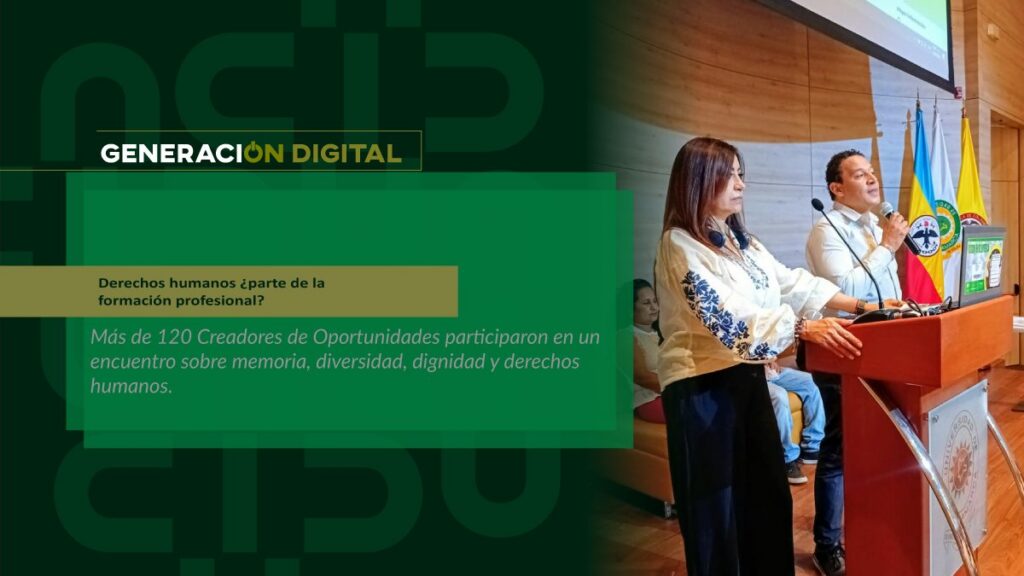
Human rights: part of professional training?
By: Alejandro García Suárez – Advisory Office of Communications



I am your virtual assistant, here to help you quickly and easily.
▲ Back to Top
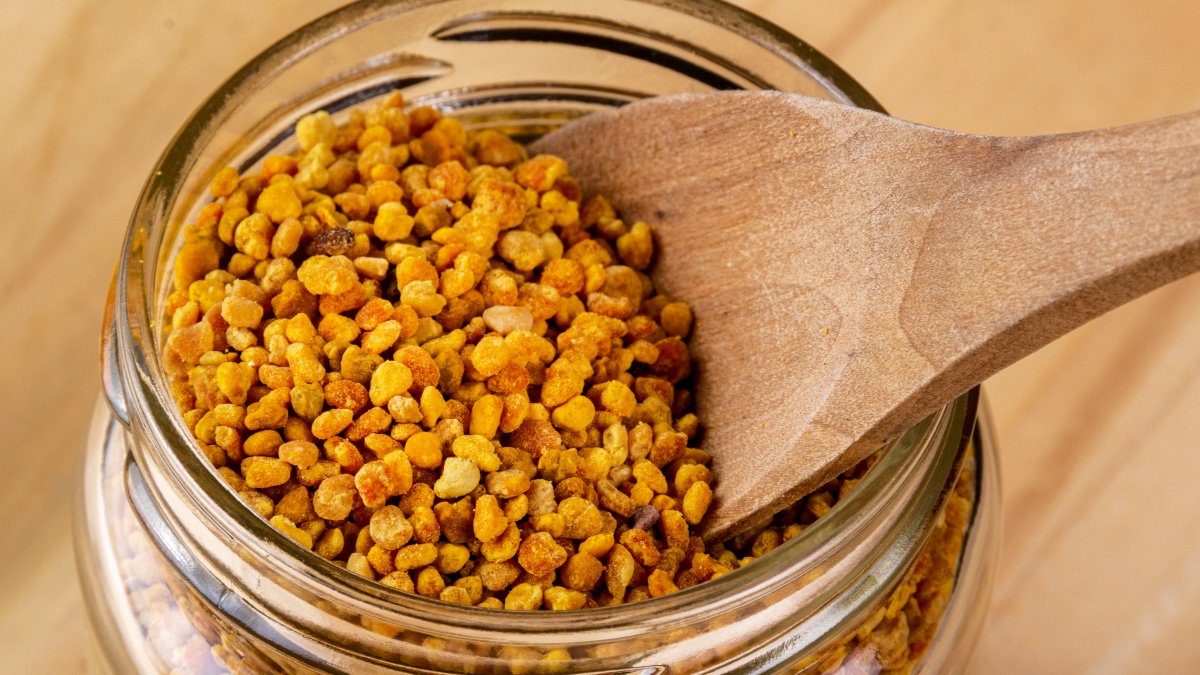
According to Shirley Andrea Flores, a professor in the Animal Science program, "with this project we seek to improve the seminal and immune quality of male sheep under tropical and grazing conditions through this food supplementation.".
The hypothesis is that propolis has a number of health benefits for these animals. “Sheep are generally affected by heat, nutritional factors, and humidity, which leads to high mortality. Therefore, this product has high antioxidant, anti-inflammatory, and antimicrobial potential, and it stimulates immunity in animals. Thus, it is proposed as a functional food with great potential to improve reproductive health and the response of semen to cryopreservation—cell freezing,” notes Flores.
To test this initial idea, forty animals will be evaluated at different levels. “A pilot test will be conducted in which we will administer propolis for a period of 47 days, which is the duration of spermatogenesis in this species. This is done to evaluate semen quality in both fresh and cryopreserved semen.“.
Blood tests will also be conducted at Agrosavia. “This institution will lend us its laboratories for immunoglobulin analysis to determine if this product increases the immune level in animals and also protects them against diseases.”.
If all goes well, the ultimate goal is to patent this supplement and promote it at conferences, symposia, and research groups focused on animal reproductive health and fertility. “To achieve this, we need to determine the correct dosage for these sheep because propolis has both bitter and alcoholic components. Based on this, we must develop several treatments to determine which is the most palatable—in terms of taste, texture, and smell.”.
But the advantages of this research, should it come to fruition, don't end there. "This initiative also addresses sustainability, because we would stop using antibiotics and replace them with a natural food source from bees. Furthermore, it would benefit beekeepers because approval would encourage increased production in the beekeeping sector," he notes.
Finally, it is worth noting that the project, which started last June and aims to produce its first results in February, is part of a joint research call between UCundinamarca and the National University of Colombia, in which this proposal was the winner with a contribution of 30 million pesos.
News
News
News
News