News
2026-09-24
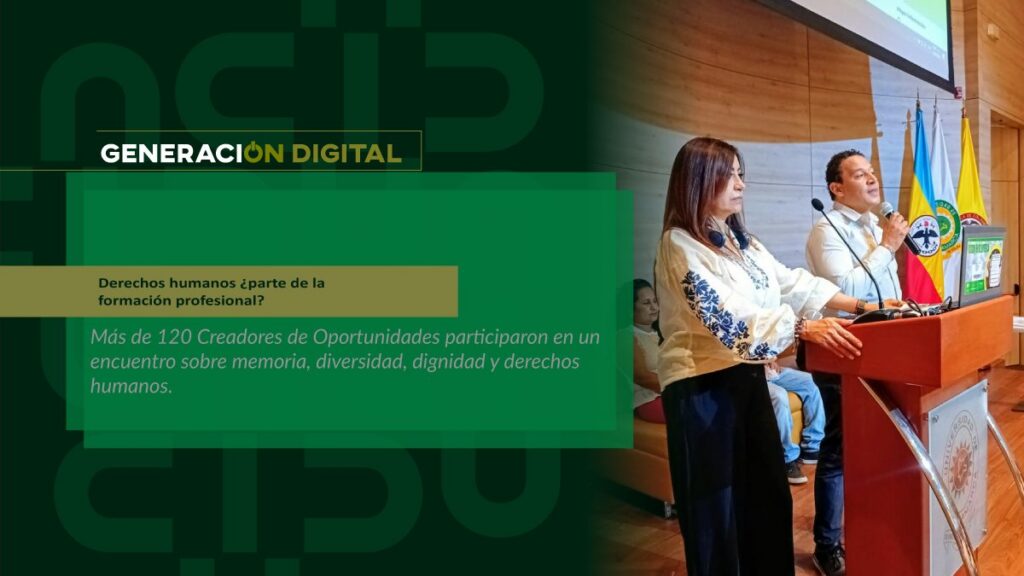
Human rights: part of professional training?
By: Alejandro García Suárez – Advisory Office of Communications



I am your virtual assistant, here to help you quickly and easily.
▲ Back to Top

Observing our current reality, where our lives are threatened by an enemy we cannot see with the naked eye, the need grows to conduct research on the existence of viruses, bacteria, and parasites that could directly lead to a pandemic, affecting populations and their economies. This is where the importance of studying parasitic organisms, such as [the example of...], lies. Cryptosporidium spp an apicomplexan protist that, although it has not generated a form of infection that crosses the borders of the world, in countries such as the United States and the United Kingdom there have been large outbreaks of this (Karanis et al., 2007).
Its discovery was in 1907 by the pathologist and parasitologist Ernest Edward Tyzzer, who, according to his initial observations, discovered that the gastric glands of a variety of mice frequently contained a distinct parasite that he called Cryptosporidium Muris (Tyzzer, 1907), likewise, in 1912 he identified a new species isolated from the intestines of mice which he named Cryptosporidium parvum (Tyzzer, 1912), on the other hand, in the 1980s the latter was evidenced in patients with the compromised immune system and its infection was defined as a disease (Tzipori & Widmer, 2008); the presence of this parasite has been recorded in more than 50 countries and in more than 170 animal species (Sánchez et al., 2017) being more frequent in places with infrastructure problems for the treatment of drinking water, in waters of recreational use such as rivers, lakes or swimming pools or when there is close contact with animals, likewise, it is the cause of the cryptosporidiosis infection, which is transmitted by direct contact with feces contaminated with this parasite (Neira, 2005).
Over time, medicine has been the field with the most research on this topic, likely due to the search for a medical treatment. Cryptosporidiosis infection is cosmopolitan and can occur in both industrialized and developing countries, in urban and rural areas.
Therefore, the main objective of this review was to indicate the effects on human health caused by the Cryptosporidium parvum, which was achieved by studying the detection methods of Cryptosporidium parvum in aqueous medium, identifying existing treatments for the elimination of Cryptosporidium parvum in the treatment of wastewater, drinking water and recreational water, and comparing the regulations in force in different countries, regarding the concentration of Cryptosporidium parvum in water samples.
According to the research conducted, it was found that Cryptosporidium spp. It is an endoparasite with 13 identified species, among them is C. andersoni (cattle), C. Bailey (chicken and other birds), C. meleagridis (birds and human beings), C. molnari (fish), C. muris (rodents and some other mammals), C. parvum (ruminants and human beings), C. saurophilum (lizards and snakes), and C. serpentis (snakes and lizards) (Xiao et al., 2004). It should be noted that the C. Parvum It is the most widespread species, infecting 155 mammal species, with domestic livestock being its main reservoir (Fayer, 2004) and responsible for zoonoses in humans.
In the atmosphere the Cryptosporidium spp. It exists in an inactive form as an oocyst (a kind of shell that serves as a protective barrier). Its reproduction occurs inside the digestive tract of the infected individual, where it is released from the oocyst and gives rise to new organisms. Some of these leave the former host in search of a new one, while others remain, causing autoinfection (Chacín, 2007). Generally, watery diarrhea is a characteristic symptom of infection caused by ingesting the parasite. It is self-limiting in immunocompetent individuals but can become chronic and fatal in immunocompromised patients (Fontán, 2011).
In Colombia, the parasite has been found in departments such as Arauca (46.8%), Santander (42%), and Cundinamarca (7%) (Carreño et al., 2005; de Arango et al., 2006; Bayona et al., 2011, cited by Avendaño, 2018). However, it could also be present in areas vulnerable due to extreme poverty, such as the Pacific region, La Guajira, and the Amazon, where historically investment in water treatment infrastructure has been very low.
For example, in the upper basin of the Bogotá River, concentrations with values between 0 – 100 oocysts/L have been found, which is attributed to the origin of the parasite to: garbage, excrement of human origin and of animals that are raised in the area and organic waste, especially in the rural areas of the municipalities (Alarcón et al., 2005).
Given that water is the primary transmission route for the disease, it is necessary to take measures to prevent infection by the parasite. Therefore, the necessary detection methods and treatments must be implemented. Among the detection methods, there are two forms of analysis: microscopic and immunological/molecular. Microscopic methods, according to the methodology proposed by US EPA 1623, apply the technique of Kinyoun staining, which allows the parasite to be colored, facilitating its observation through the use of the phenolated basic fuchsin dye, capable of dissolving the thick cyst wall (Arnedo et al., 2008).
And the immunological and molecular ones, which in turn present three methods; the first one that according to the United Kingdom methodology ISO 15553 by Immunofluorescence, It consists of using a specific antibody for the parasite and is stained with a fluorescent reagent so that it can be observed by ultraviolet microscopy (Betancourt & Querales, 2008).
The second method is PCR (Polymerase Chain Reaction), which determines the presence of the parasite by amplifying its DNA sequence, observing and comparing its genetic characteristics (INS, 2019) and finally the method ELISA, This method detects the protozoan by modeling the reaction between an antigen and an antibody, along with the application of an enzyme that colors it and makes it evident through spectrophotometry (Hernández et al., 2013); It is important to mention that prior to the analysis process, its concentration in aqueous medium must be determined, which occurs through the extraction of the oocysts using the filtration technique with a cellulose membrane of 0.45 µm porosity (Padilla, 2014).
Regarding water quality, Colombian regulations allow a concentration of Cryptosporidium spp. of 0 oocysts/L, however, this value is only required for control in drinking water, without establishing the sampling frequency or recommending a treatment method to comply with the regulations.
Taking the above into account, the different types of treatment used for the elimination of this parasite in water were analyzed, based on two criteria, economy and effectiveness. The most used treatment is the conventional one, in which the following is used: ferric chloride as a coagulant and subsequently disinfection by chlorine, With this treatment, a removal efficiency of 54% can be obtained, taking into account that in the case of Cryptosporidium, Chlorine has low effectiveness due to the high resistance of the oocysts, so a minimum concentration greater than 80 mg/L of free chlorine would be required for their destruction, a concentration that exceeds the dose allowed by the standard (Abramovich et al. 2004; Rojas & Orta 2002; Korich et al. 1990).
For this reason, this treatment is recommended as a booster after an advanced filtration process such as the ultrafiltration (UF) which is a robust and compact technology that achieves a reduction of the parasite in a 91% (Valero et al. 2018).
Other filtering options include microfiltration (MF) y nanofiltration (NF) efficient at removing oocysts Cryptosporidium spp. Due to the small pore size, these alternatives, although currently little used, have low energy requirements and reduce the use of chemicals (Mourato 1998). More complex treatments such as disinfection with ozone which, although infrequent due to its high costs, turns out to be one of the most effective methods for the elimination of Cryptosporidium and other parasites in the water.
Likewise, disinfection by ultraviolet rays It is fast and very efficient because when microorganisms are exposed to UV wavelengths, a fragmentation of the nucleic acid occurs, causing their inactivation (Deininger et al. 1998; Rojas & Orta 2002).
On the other hand, there is a simple and inexpensive method that can be put into practice even at home; such as the solar disinfection The SODIS method, endorsed by the WHO for emergencies or countries in extreme poverty, involves collecting water in a transparent bottle placed on a reflective surface, such as a zinc roof, and exposing it to sunlight for at least 6 hours. It's important to note that its effectiveness is not guaranteed, as it depends on factors such as the exposure time and the type of water source (EcoINVENTOS, 2017).
In short, the detection of this parasite in water sources of various origins poses a potential risk to communities that rely on this resource for consumption or crop irrigation, creating a public health problem. This is because infection by Cryptosporidium It can cause serious health effects in immunocompromised patients and is the fourth leading cause of death in children under 5 years of age worldwide, not to mention the possible long-term damage it causes and the fact that there is still no medical treatment that completely addresses it.
Therefore, it is important to consider it as a pathogenic microorganism in Colombian regulations governing water resources, including a methodology for detecting the parasite, a specific and strict concentration range, and a recommended treatment method.
On the other hand, investment in drinking water purification systems and wastewater treatment throughout the territory should be considered essential, as it impacts public health and well-being, as well as environmental preservation. Likewise, monitoring and control of recreational water should be implemented, and personal hygiene should be promoted within the community to prevent structures such as swimming pools from becoming sources of infection.
Finally, in these times of pandemic, we can reflect on how fundamental it is to invest in scientific research, acquire equipment for detecting these types of emerging pathogenic microorganisms, and train academic and student staff in their use. Furthermore, we must support the innovation of new technologies that may arise from universities, especially the University of Cundinamarca, through its environmental engineering programs. These technologies can serve as a means of preventing mass contagion and avoiding the saturation of the country's hospital capacity, with the aim of mitigating the impact.
Radio Ucundinamarca · The parasite Cryptosporidium parvum
Radio Ucundinamarca · Study of the presence of the parasite Cryptosporidium parvum in the water resource.References
Neira O, P. (2005). About Cryptosporidium spp in Chile. Revista Médica de Chile, 133(7), 847–849. https://doi.org/10.4067/s0034-98872005000700014
Chacín B., L. (1995). Cryptosporidiosis in humans. Review. Clinical Research, January 1995, 36(4): 207-250.
García, S., E., Valladares, C., B., Talavera, R., M., & Velázquez, O., V. (2014). Cryptosporidiosis. Importance in public health. REDVET. Electronic Veterinary Magazine.
Avendaño, CE (2018). Contribution to the knowledge of cryptosporidiosis in different regions of Colombia from isolates from humans and various animal species. University of Zaragoza. 303. http://zaguan.unizar.es
Xiao, L., Fayer, R., Ryan, U., & Upton, SJ (2004). Cryptosporidium Taxonomy: Recent advances and implications. 17(1), 72–97.
Fayer, R. (2004). Cryptosporidium: A water-borne zoonotic parasite. Veterinary Parasitology, 126(1-2 SPEC.ISS.), 37–56. https://doi.org/10.1016/j.vetpar.2004.09.004
Chacín B., L. (2007). Cryptosporidium: Phylogeny and taxonomy. Clinical Research, 48(1): 1-4
Fontán S., M. (2011). Cryptosporidium in the Solar Disinfection of Drinking Water. University of Santiago de Compostela, Spain, 202.
Padilla Tapía, HM (2014). Giardia and Cryptosporidium in surface waters of the San Romualdo and Las Mercedes canals used for drinking water treatment in Lambayeque and Chiclayo. National University Pedro Ruiz Gallo, Peru.
Arnedo, I., Bracho, M., Díaz-Suárez, O., & Botero, L. (2008). Techniques for the detection of cryptosporidium sp. in wastewater treatment systems. Kasmera, 36(2), 120–128.
Betancourt, WQ, & Querales, LJ (2008). Enteric Protozoan Parasites in Aquatic Environments: Concentration and Detection Methods. Interciencia.
National Institute of Health (INS). (2019). Epidemiological Bulletin for Week 20, May 12-18, 2019. Morbidity due to Acute Diarrheal Disease. https://www.ins.gov.co/buscador-
Hernández, HF, Peña, YP, Chiroles, R., S., Rodríguez B., AM, Gallardo D., J., & Milián S., Y. (2013). Immunological methods used in the rapid identification of bacteria and protozoa in water. Cuban Journal of Hygiene and Epidemiology, 51(1), 84–96.
Abramovich, B., Lura, MC, Carrera, E., Gilli, MI, Haye, MA, & Vaira, S. (2004). Action of different coagulants for the elimination of Cryptosporidium spp. in the water purification process. Revista Argentina de Microbiología, 36(2), 92–96.
Korich DG, Mead JR, Madore MS, Sinclair NA and Sterling CR (1990). Effects of ozone, chlorine dioxide, chlorine, and monochloramine on Cryptosporidium viability. Appl. Environ. Microbiol; pp. 56, 1423-1428.
Valero, F., Emiliano, P., Garrote, R., Rodríguez, M. Á., Neculau, M., Vartolomei, F., & Rodríguez, JJ (2018). Ultrafiltration as an improvement stage in a conventional water treatment plant. 1, 23–25.
Mourato, D. (1998). Microfiltration and Nanofiltration in the area of drinking water. ZENON Environmental Inc. Burlington, Ontario, Canada.
Deininger, RA, Skadsen, J., Stanford, L., & Myers, AG (1998). Water disinfection with ozone. Paper presented at the PAHO Symposium: Water Quality, Effective Disinfection. University of Michigan, USA.
Rojas V., N., & Orta De Velásquez, T. (2002). Advances in wastewater disinfection to eliminate helminth eggs and other microorganisms. In Environmental Sanitary Engineering (Issue January-February No. 60, p. 8).
EcoInventos. (September 30, 2017). The cheapest and most effective method for disinfecting water. Spain. Ecoinventos. http://ecoinventos.com/desinfeccion-solar/
Alarcón, MA, Beltrán, M., Cárdenas, ML, & Campos, MC (2005). Enumeration and determination of viability of Giardia spp. and Cryptosporidium spp. in drinking and wastewater in the upper basin of the Bogotá River. Biomédica, 25(3), 353. https://doi.org/10.7705/biomedica.v25i3.1360
News
News
News
News