News
2026-09-24
Human rights: part of professional training?
By: Alejandro García Suárez – Advisory Office of Communications



I am your virtual assistant, here to help you quickly and easily.
▲ Back to Top
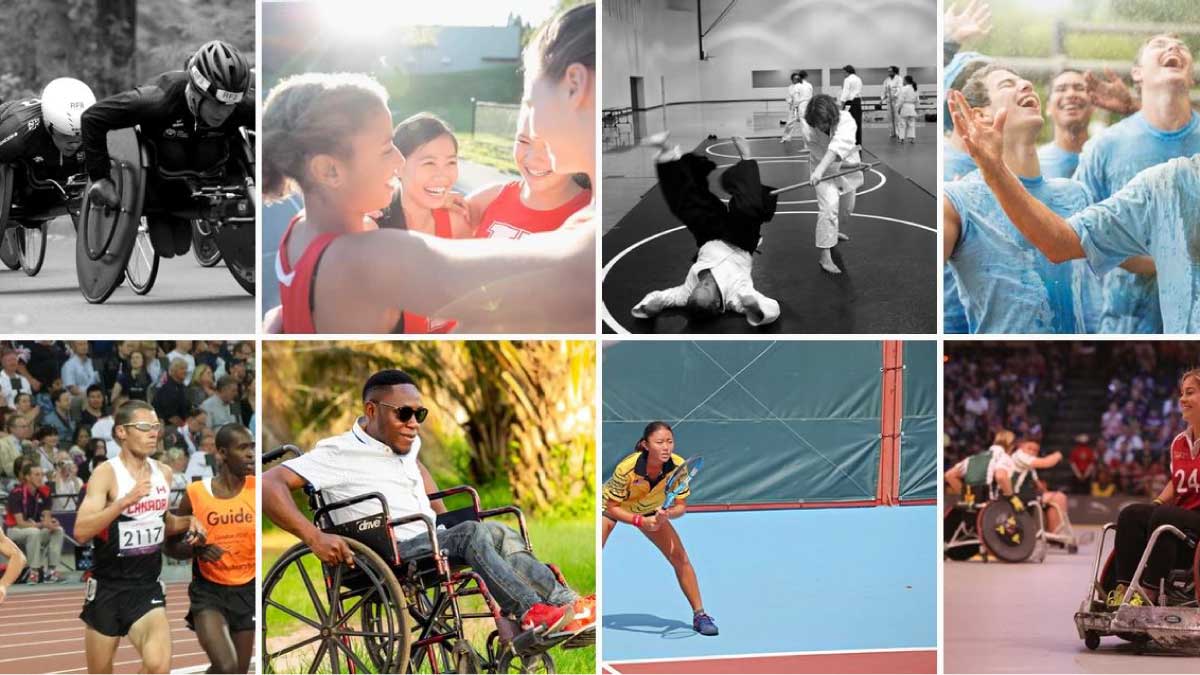
Luis Rafael Hutchison Salazar, coordinator of the Professional Program in Sports Science and Physical Education, Soacha extension, participated in the closing panel of the Hispanic American Congress of Physical Activity, Exercise and Paralympic Sport, in which he analyzed the administrative experience and the different curricular action plans that can be implemented from academia, study plans, public policies, diversity in all its complements, and the guidelines for carrying out physical activity, exercise and sport in the post-pandemic scenario.
Likewise, the coordinator addressed the application of MEDIT at UCundinamarca and the experiences of curricular redefinition with the model, as well as the importance of living in this era of transmodernity with the approach of knowledge established by translocal universities.
“Participation in the congress was a valuable opportunity to generate research and scientific cooperation networks, fulfilling the missions of training and learning. The congress provided a space for cross-border dialogue on planning, coordination with educational entities, government, and organizations in each country, as well as the challenges and opportunities, and the assessment of Paralympic sport and those who practice it, with expert professionals from Asia, Europe, and the Americas,” highlighted Hutchison Salazar.
In turn, at the conference: Psychological Impact of Including Children with Disabilities and Special Educational Needs in Physical Activities, Dr. Ta Su-Lynn, a psychologist specializing in special needs and planning behavioral and learning intervention strategies, emphasized the importance of creating inclusive sports programs in school settings.
“Sports programs should be created in schools and educational environments, such as intercollegiate games in which people of normal development and people with disabilities can participate, to promote tolerance and appreciation of Paralympic sport, zero labeling for this type of population,” was one of the conclusions of Dr. Ta Su-Lynn, from Singapore.
For his part, Dr. Jeferson Rego, from Brazil, in his lecture "Physical Education and (Dis)ability," pointed out that disability is complex, dynamic, multidimensional, and a subject of disagreement. He also indicated that overcoming the prejudices surrounding disability requires education and awareness. He concluded with the phrase: "People are not what happened to them, but what they experience.".
News
News
News
News