Fusagasugá Branch
2026-09-24
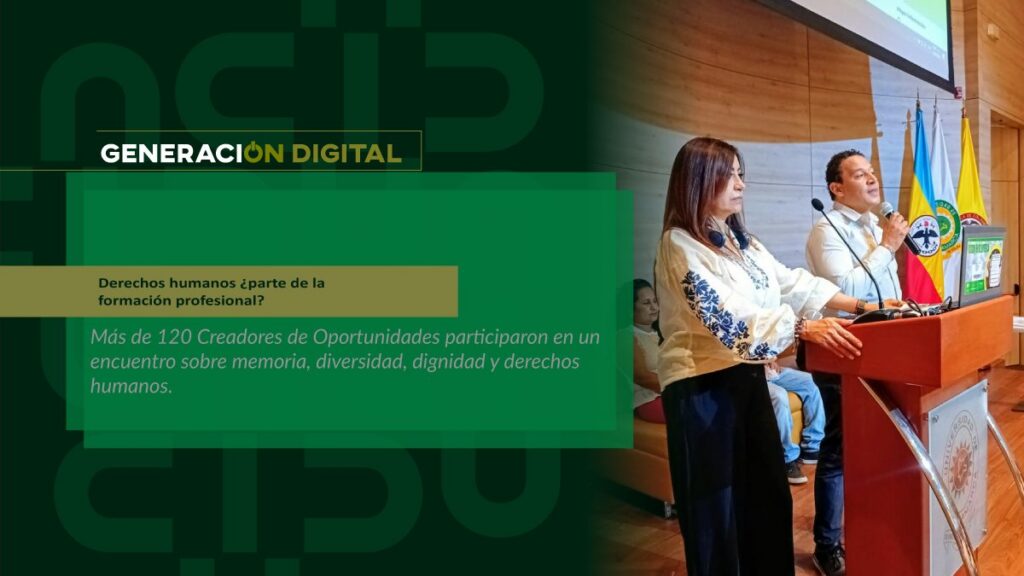
Human rights: part of professional training?
By: Alejandro García Suárez – Advisory Office of Communications


I am your virtual assistant, here to help you quickly and easily.
▲ Back to Top
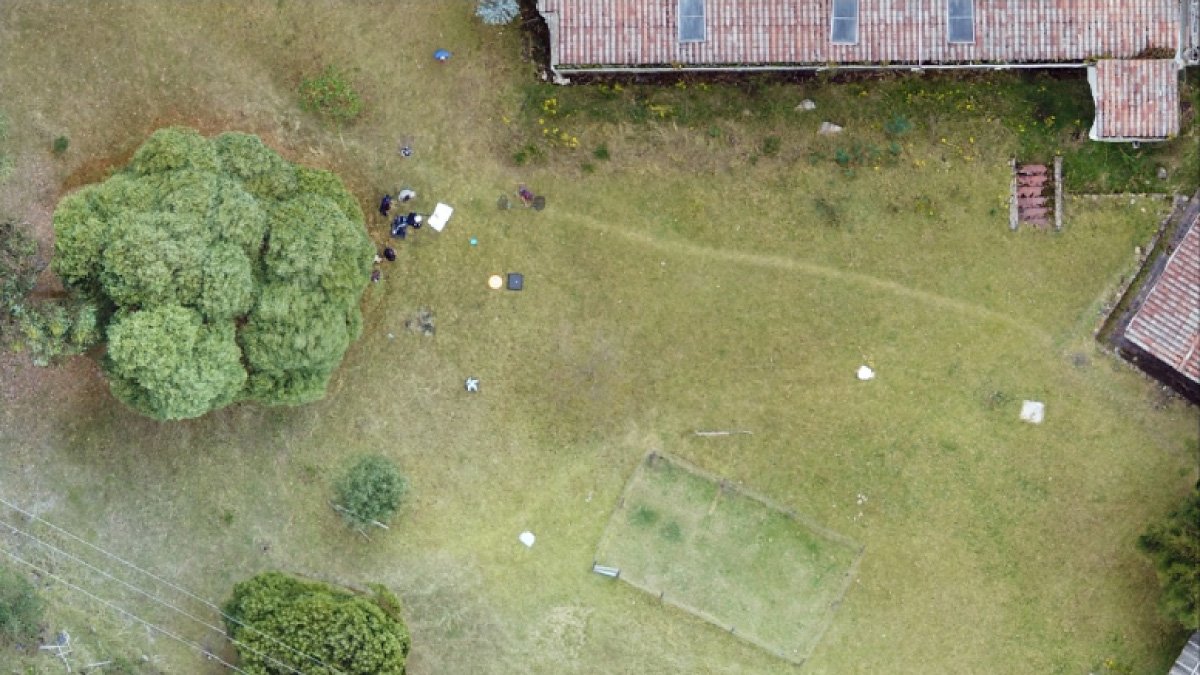
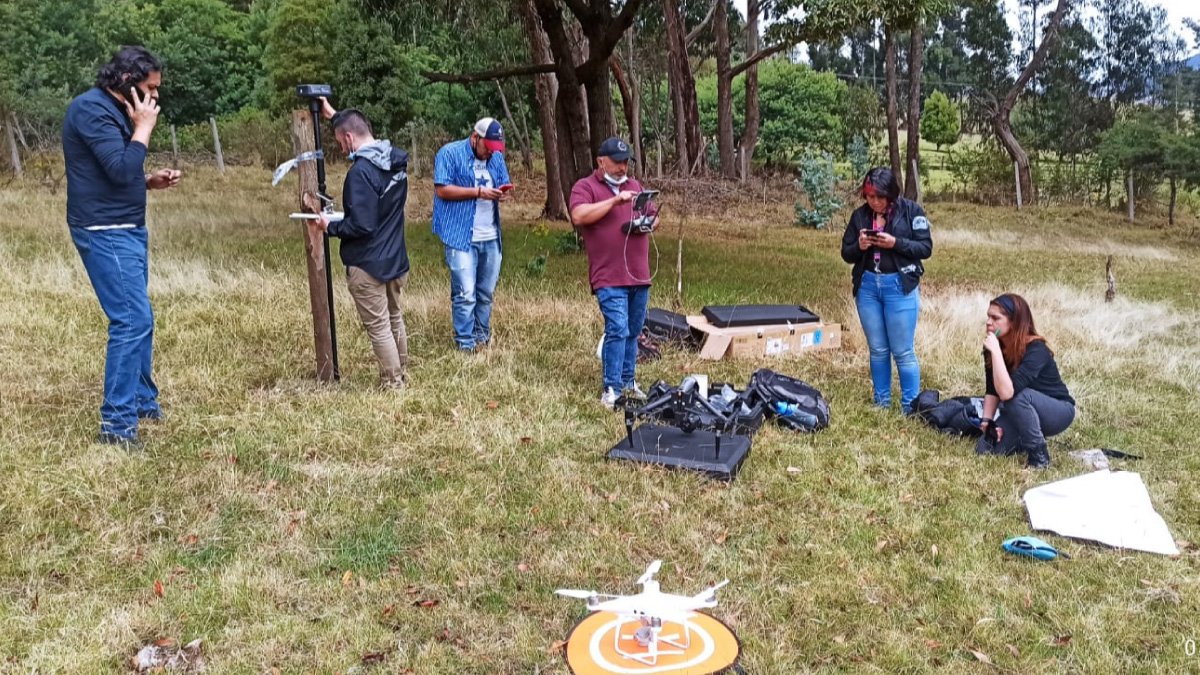
This data from the Institute of Legal Medicine motivated the University of Cundinamarca, in collaboration with the Antonio Nariño University, to create the research project "Application of Geophysical Methods and Environmental Variables for the Search for Graves Related to Human Rights Violations." "It's a framework project that began in February 2020 thanks to resources provided by the American Association of Forensic Sciences, and our institution, through our Cartography Technology program, has placed several professionals at the forefront," states Edier Fernando Ávila, professor and leader of the research.
This is how an experimental design is being developed in the Usme district to create a methodology that will accurately aid in the search for these bodies, as thousands of families have gone decades without being able to grieve for those who one day left or were forcibly removed from their homes and never returned. “There, we are working on a simulation with the carcasses of pigs that have been buried for their respective forensic biology and geophysical analysis,” he explains.
The data from these systems is analyzed by professors specializing in satellite remote sensing and others in drone-based geographic detection. “They have a background in cadastral and topographic engineering, and thanks to this, we are analyzing the images. Using radiometric information, we can determine the interaction and deformation of the soil at the site where the pigs' bodies are buried, and thus create variables that can be used in real-life mass graves in other parts of the country.”.
According to Ávila, “where there is a pit, the plants are more lush than those in their surroundings, a product of the decomposition process that creates organic matter that benefits them, which helps in their detection.”.
All this meticulous work has already begun to bear fruit. “We have published two articles in the US Journal of Forensic Science entitled: Monitoring Simulated Clandestine Graves of Dismembered Victims Using Unmanned Aerial Vehicles and Electrical Tomography and GPR For One Year to Aid in Investigations of Human Rights Violations.
Regarding the future of this promising work that began in February 2020 in the company of his colleagues Luis Alberto Herrera and Jorge Guerrero, he comments that, "we hope to be able to go out into the field in about six months with the company of the Attorney General's Office to test what has been done so far.".
In this way, UCundinamarca works to ensure that the social appropriation of knowledge within the framework of its science, technology and innovation policy becomes a reality in the territories it impacts, contributing to the solution of a conflict that cries out for truth, justice and reparation.
News
News
News
News