Fusagasugá Branch
2026-09-24
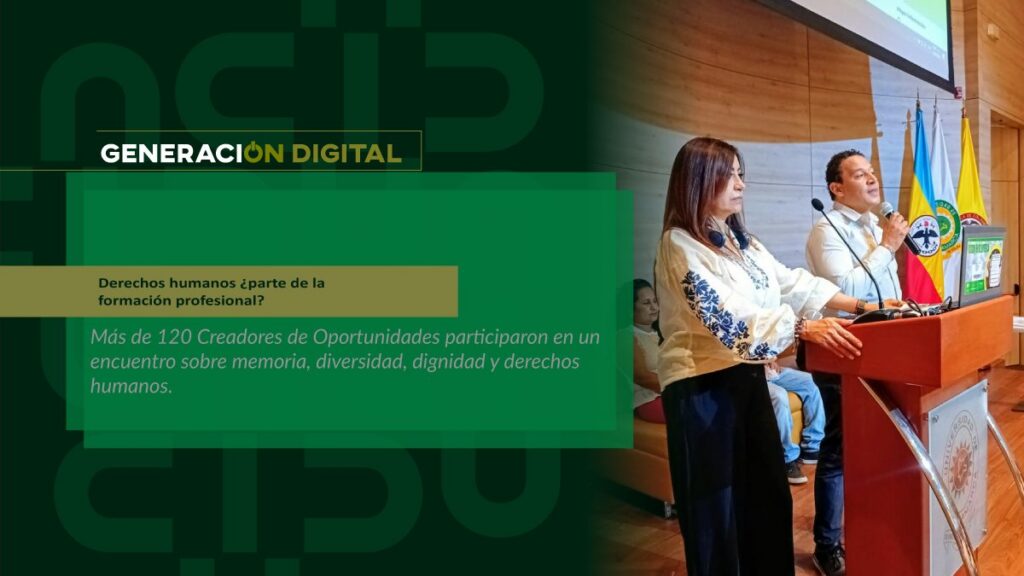
Human rights: part of professional training?
By: Alejandro García Suárez – Advisory Office of Communications


I am your virtual assistant, here to help you quickly and easily.
▲ Back to Top
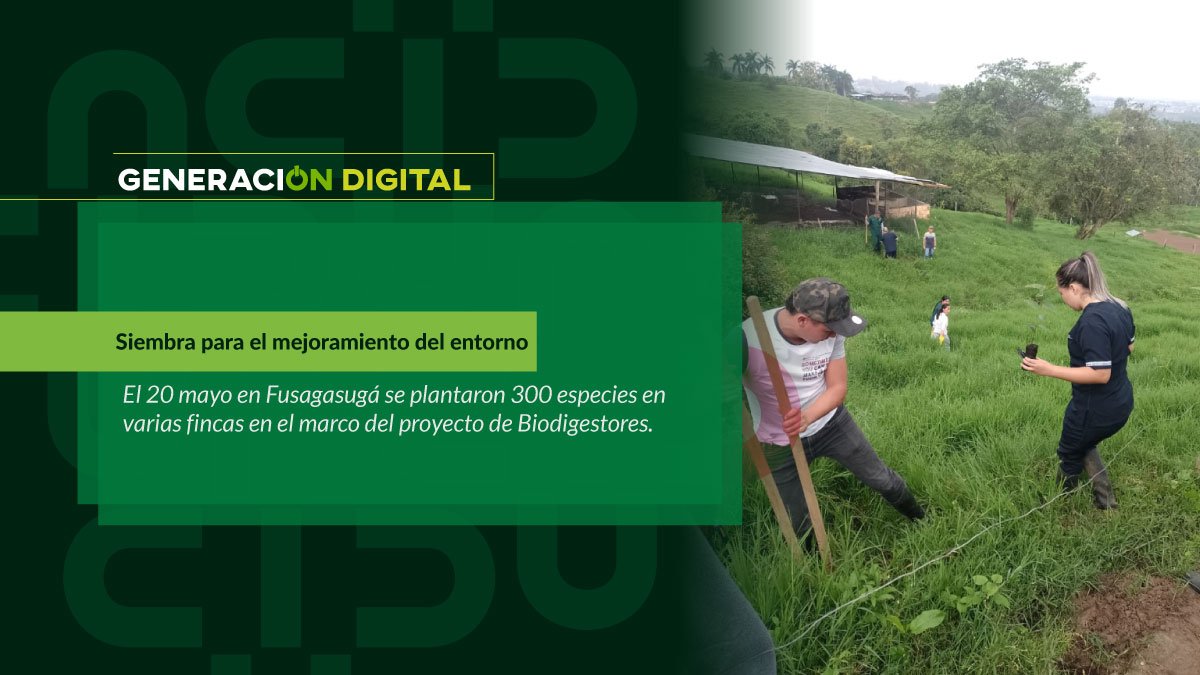
This initiative, led by the Faculty of Agricultural Sciences, aims to reforest degraded lands and protect water sources in Fusagasugá and Sumapaz. “This project is part of the Strategic Innovation for the Sustainable Productive Energy Use of Agricultural Waste in the Generation and Use of Renewable Energy project, funded by MinCiencias, and one of its components is to carry out planting as a contribution to the improvement of these environments,” says John Mario López, a professor in the Animal Science Program.
The farms that benefited were: La Saucita, Santa Bárbara, El Mirador, La Meseta, and the La Esperanza and El Tibar Agro-environmental Units. “We were there with eighth-semester animal science students, and we were accompanied by the dean of the Faculty of Agricultural Sciences, Dr. Vilma Moreno, and professors Diego Abril, Guillermo Caicedo, and myself.”.
During the day that took place between 1:00 pm and 5:00 pm and that is also part of the Territory and Knowledge learning field of the faculty, guayacán, cucharó, arrayán, roble and garrocho trees were planted.
For Natalia Poveda, a student in the Animal Science program who participated in planting trees as a demonstration of the commitment the institution has instilled in her to the territory, "this work that I did with my classmates is very important because it helps improve the soil and generate humidity control in the environments where pig manure is disposed of for biogas production.".
This exercise, which is aligned with MEDIT in its dimension of environmental care, according to the student "was key since it will help generate oxygen, thus improving the quality of the air we breathe.".
Meanwhile, for Reinel Quiroga Leal, an eighth-semester Zootechnics student, this day taught him that "planting trees near animal waste disposal sites, such as those for pigs or cows, helps to mitigate bad odors and also serves as windbreaks, improving the temperature of the place.".
In this way, UCundinamarca promotes a stance called dialogical and formative construction, which is the basis for building knowledge and learning in the student, with a view to a personal transformation that influences society.
News
News
News
News