News
2026-09-24
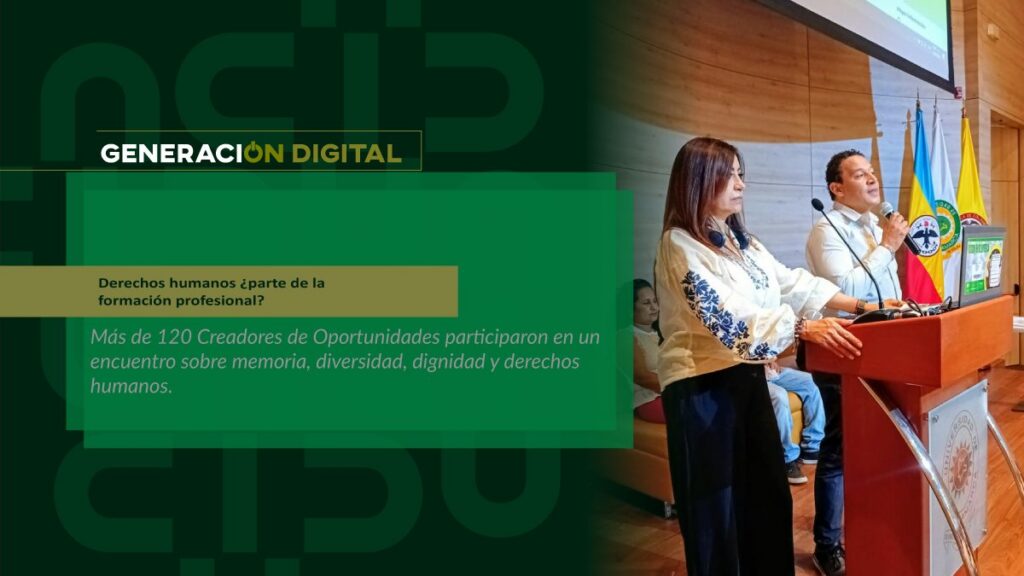
Human rights: part of professional training?
By: Alejandro García Suárez – Advisory Office of Communications
Loading...


I am your virtual assistant, here to help you quickly and easily.
▲ Back to Top
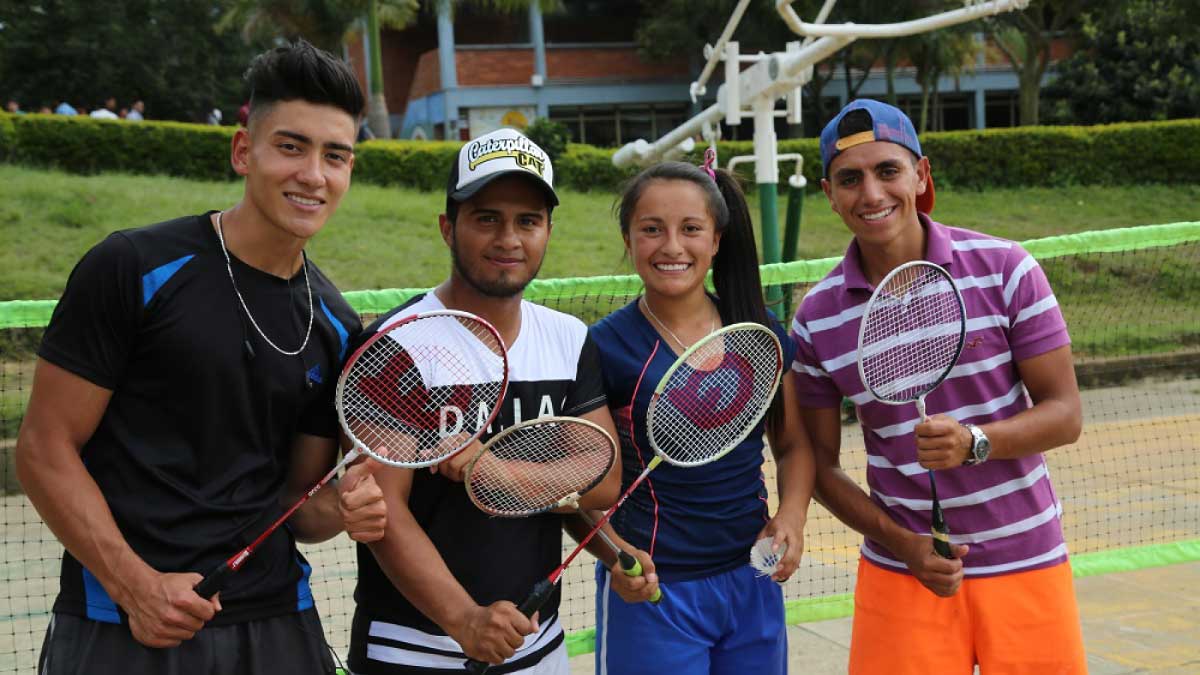
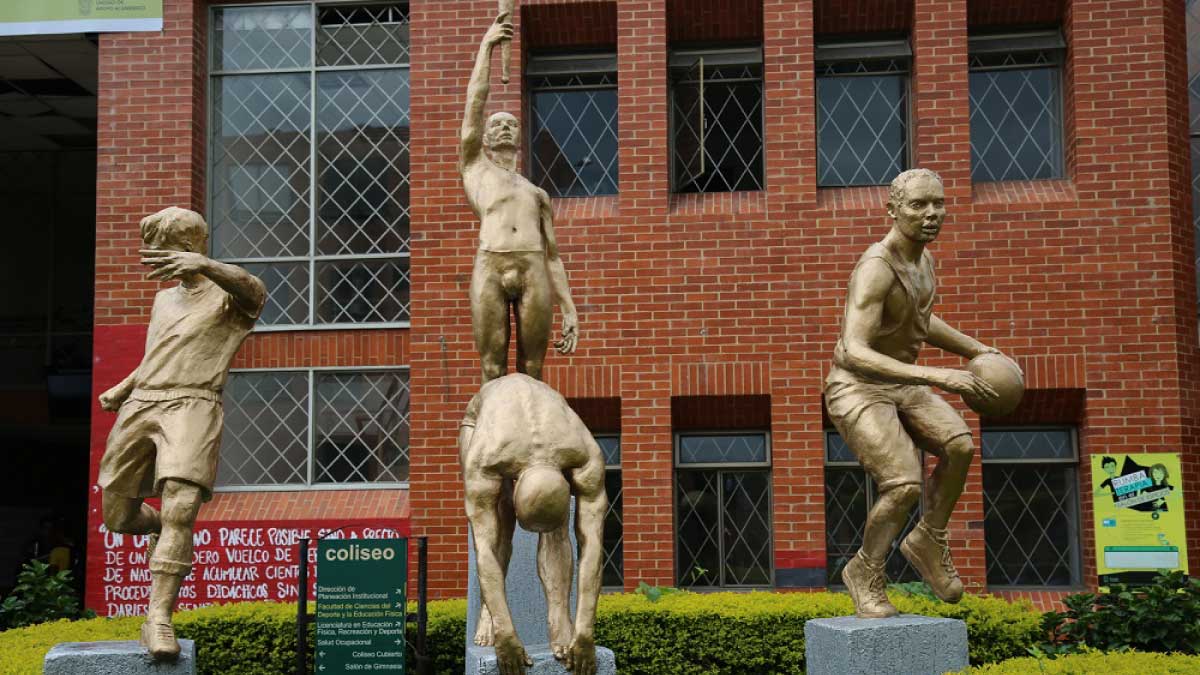
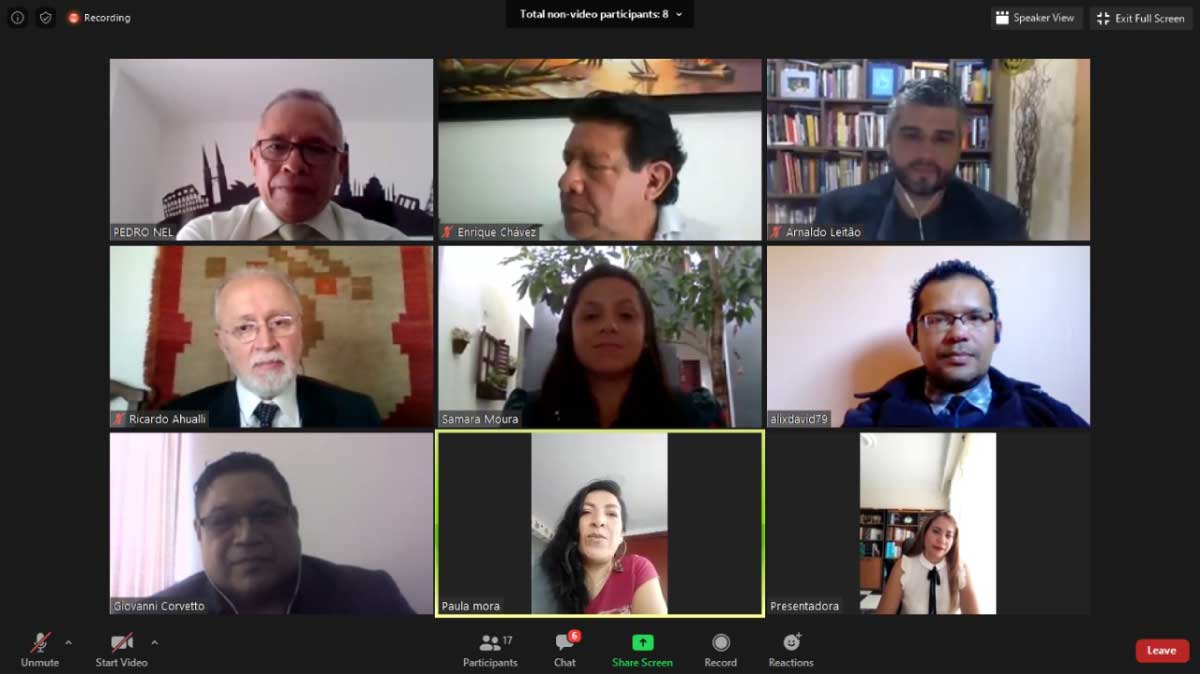
The international discussion took place virtually on May 29th via Facebook Live and featured the participation of experts from Brazil, Argentina, Chile, Peru, Ecuador, and Colombia, who shared experiences on physical education during times of confinement, as well as the challenges that came with Covid-19 in the university, school, and community context, allowing attendees to gain significant insights for reflection in relation to their daily lives.
Reflections from the discussion
The discussion allowed us to conclude that the need for teachers of the discipline is to reflect on and revisit the aims of physical education, so that we remove the label of subject within a curriculum and begin to see it as a pedagogical area that, beyond generating technical skills with sporting characteristics, should seek human development through the enhancement of its different dimensions (cognitive, affective, social, physical, motor and spiritual), fostering spaces and conditions of social, family and personal well-being in students and the community.
"Therefore, that is the great educational challenge: to move physical education, recreation, and sport or physical activity from sports venues or large gyms to the everyday life of the home, where most likely the classmates, teammates, or routine partners are the family members themselves," said Pedro Nel Quintero Turriago, dean of the faculty of sports sciences and physical education at UCundinamarca.
“The event allowed us to approach the problems of the professional work of the teacher in the area, in times of confinement, highlighting the importance of physical education not only in the practice of physical activity and the knowledge related to the development of healthy lifestyle habits but also in the affective relational part as essence,” highlighted Giovanni Corvetto, from the National University of San Marcos Peru.
“The current health emergency requires actions that respond structurally, no longer in a circumstantial way, to the improvement of the living conditions of the population, since in times like these, social structures creak, causing at the same time a worsening and expansion of inequalities that, in institutional terms, and in the case that concerns us, the school, fails to satisfy.
Physical Education in the current context needs to be redefined, considering the deterritorialization it is experiencing and the multidimensional social, political, and economic nature of societies, given the threats to public health. In this sense, Physical Education, as a field of action, can do much to benefit people, particularly school-aged children,” stated Alixon David Reyes Rodríguez, from the Adventist University of Chile.
“The explicit invitation to an international conversation based on the emerging reflection-action of Physical Education in times of confinement has moved us towards an intercultural dialogical opening, which has been made possible by the dialogical praxis of the subjects of physical education in the territory of South America. We highlight the relationships of the institute and the instituting entities that delimit the teaching of physical education in Brazil, especially in the empirical context of the Federal Institutes, with the reading of a viable and unprecedented approach,” stated Samara Moura Barreto De Abreu from the Federal Institute of Education, Science and Technology – Canindé Campus, Brazil, and Arnaldo Sifuentes Pinheiro Leitão from the Federal Institute of Southern Minas Gerais, Muzambinho Campus.
“I want to express my gratitude for the invitation to the discussion; I felt very comfortable and at ease. I believe the event was very well organized and ran flawlessly, thanks to the efficient work of the organizing team and their warmth. I also want to highlight the selection of the panel of speakers, who demonstrated profound academic knowledge in their specialties,” Ricardo Ahualli Guevara, National University of Cuyo, “Dr. JE Coll” Institute of Physical Education, Argentina.
News
News
News
News