News
2026-09-24
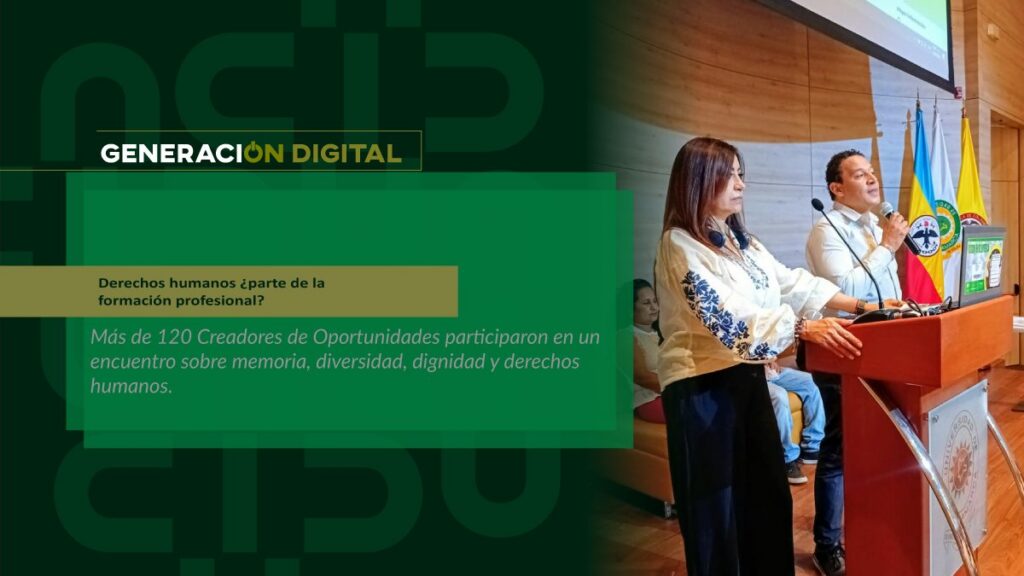
Human rights: part of professional training?
By: Alejandro García Suárez – Advisory Office of Communications



I am your virtual assistant, here to help you quickly and easily.
▲ Back to Top
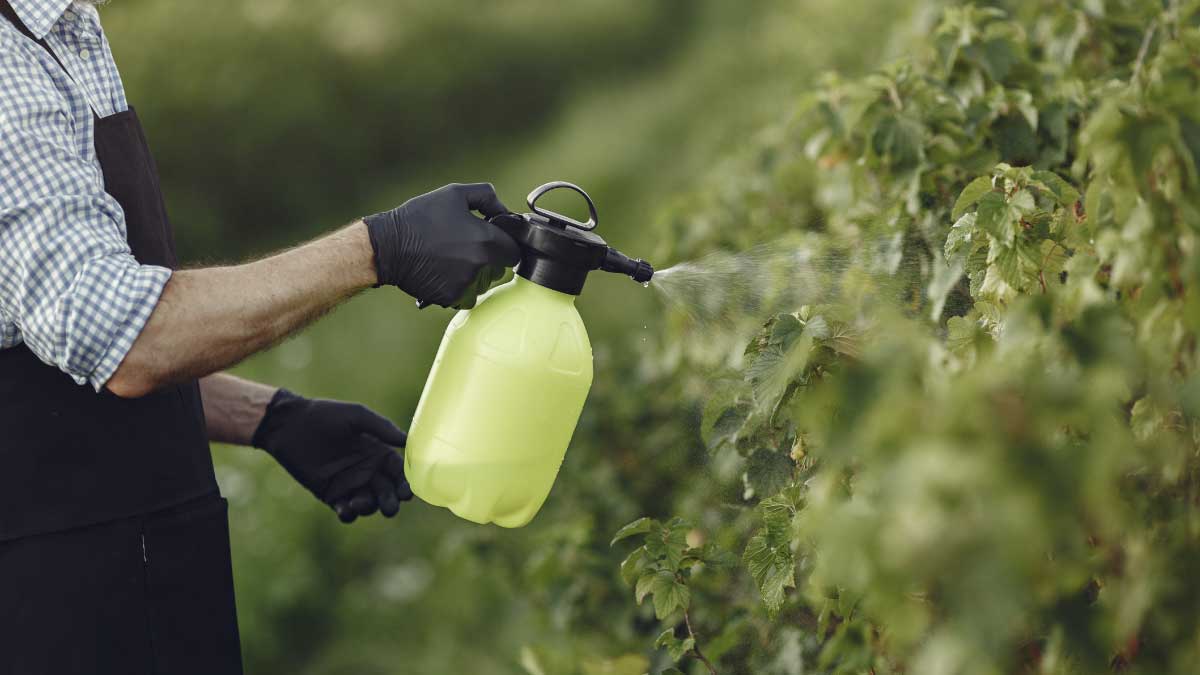
Professor María Nieves Ávila from the Faculty of Health Sciences of the Nursing Program presented the progress of an investigation called: Evaluation of Pesticide Exposure of Agricultural Workers Linked to Fruit and Vegetable Crops and Generation of Paradigmatic Changes in Food Production, Pesticide Use and Healthy Lifestyles in the Municipalities of the Sumapaz Province.
One of the findings from fieldwork conducted in the municipalities of Arbeláez, Cabrera, San Bernardo, and Pasca revealed that certain crops are being used with excessive pesticide use, which has negative consequences for human and animal health. Specifically, 27 pesticides are being used on tree tomatoes; 27 on beans; 24 on blackberries; 13 on peas; and 10 on passion fruit, native potatoes, and avocados.
“We surveyed 154 farmers. We found that these chemicals are used on 17 fruits and 16 vegetables. In addition, 124 commercial products are used, including fungicides, insecticides, and herbicides. Some of these are Lorsban, Fentopen, and Daconil, which attack the pest's nervous system. However, humans are exposed to these chemicals and accumulate them over a long period, so they can also experience these effects in their bodies,” explained Professor and Researcher Nieves Ávila.
Some of the crops where these compounds are used are mango, corn, tree tomato, pumpkin, stewing tomato, lulo, granadilla, guava, soursop, pea, criolla potato, among others.
According to the researcher, San Bernardo is the municipality in Sumapaz where pesticides are used the most, followed by Cabrera and Pasca.
“The agricultural workers in that region cultivate different products and require the use of agrochemicals and pesticides, which are composed of active ingredients that contain a degree of toxicity that affects human health, plants, and consequently, affects the water, soil, and air,” the professor explained.
He added: These agrochemicals, after their application, generate persistent organic pollutants which require hundreds of years for their degradation; therefore, they continue to circulate in the environment where, through physical phenomena, they change state and can be transported to other spaces.
To determine the degree of toxicity of each product, the classification made by the World Health Organization must be taken into account:
-Red: extremely dangerous or highly dangerous.
– Yellow: moderately dangerous.
– Blue: slightly dangerous
– Green: poses no danger.
The conclusions of the research progress determined that there is a risk in the applications by crop, given the toxicities of the active ingredients for both products and farmers.
In addition, there is a varied basket of pesticides, most of them highly toxic, which increases the danger of use.
News
News
News
News