Fusagasugá Branch
2026-09-24
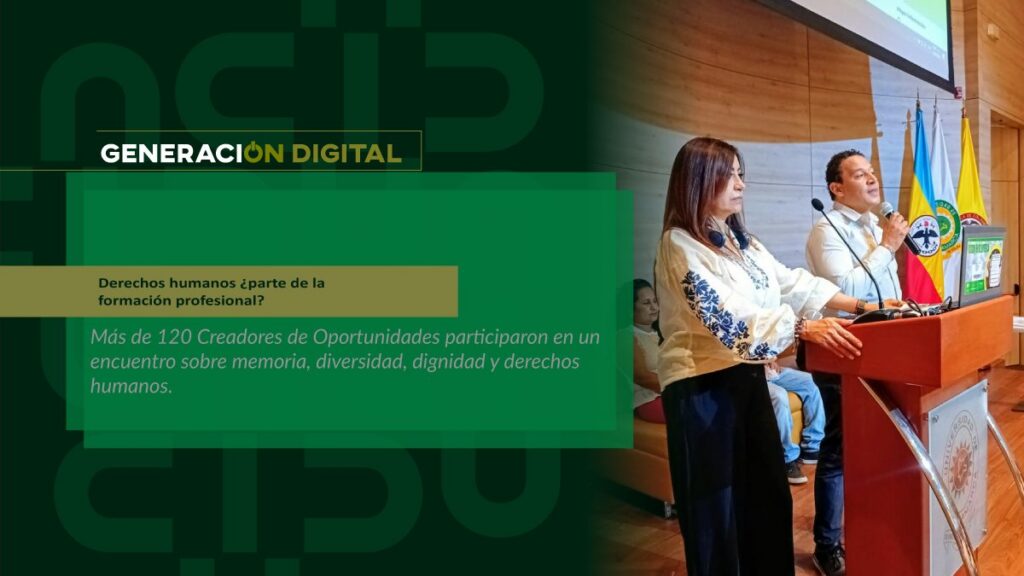
Human rights: part of professional training?
By: Alejandro García Suárez – Advisory Office of Communications
Loading...



I am your virtual assistant, here to help you quickly and easily.
▲ Back to Top
Colombia generates approximately 12 million tons of solid waste annually, of which Bogotá produces 7,500 tons of garbage daily, with a recycling rate of 151% to 3%. This information was provided by Silvia Gómez, director of the environmental NGO Greenpeace Colombia, in an interview with the newspaper Portafolio.
Clearly, all that waste produced represents a great benefit if recycled, but only 17,000 tons are recycled in Colombia. In the case of the municipality of Fusagasugá, three tons are generated daily, which is equivalent to 90 tons per month.
It is worth noting that the composition of solid waste is distributed as follows: 65% of organic waste, 5% of paper and cardboard, 14% of plastic, 4% of glass, 1% of rubber, 1% of metals, 3% of textiles, 2% of pathogens and hazardous waste.
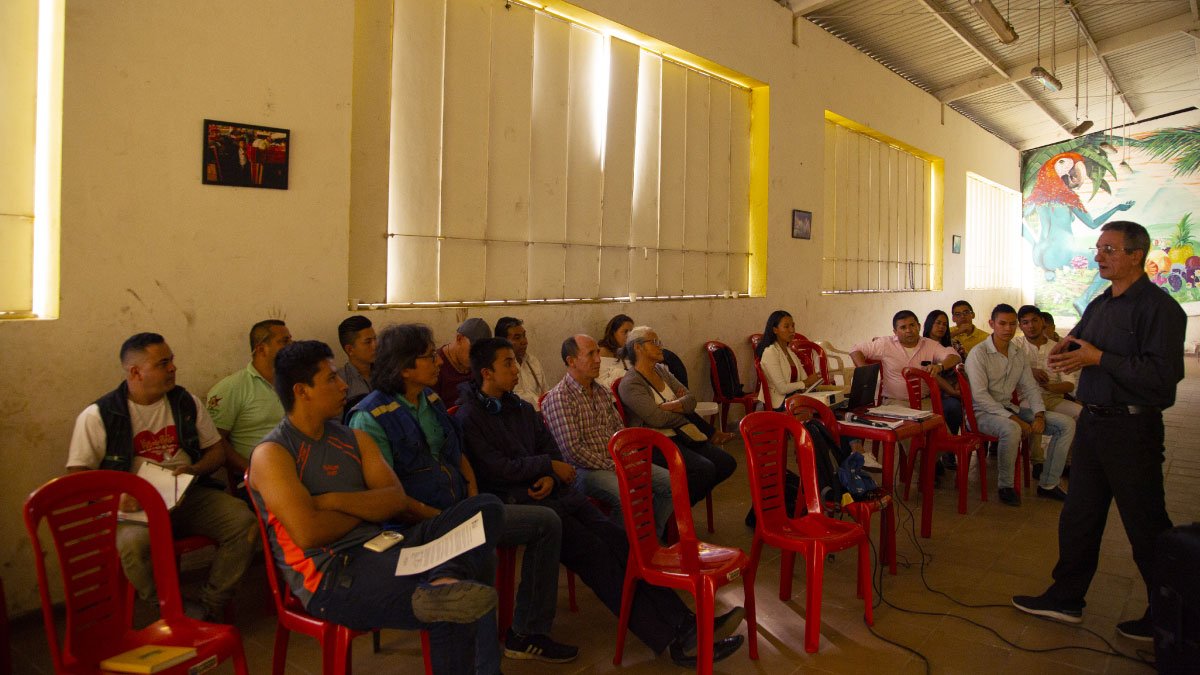
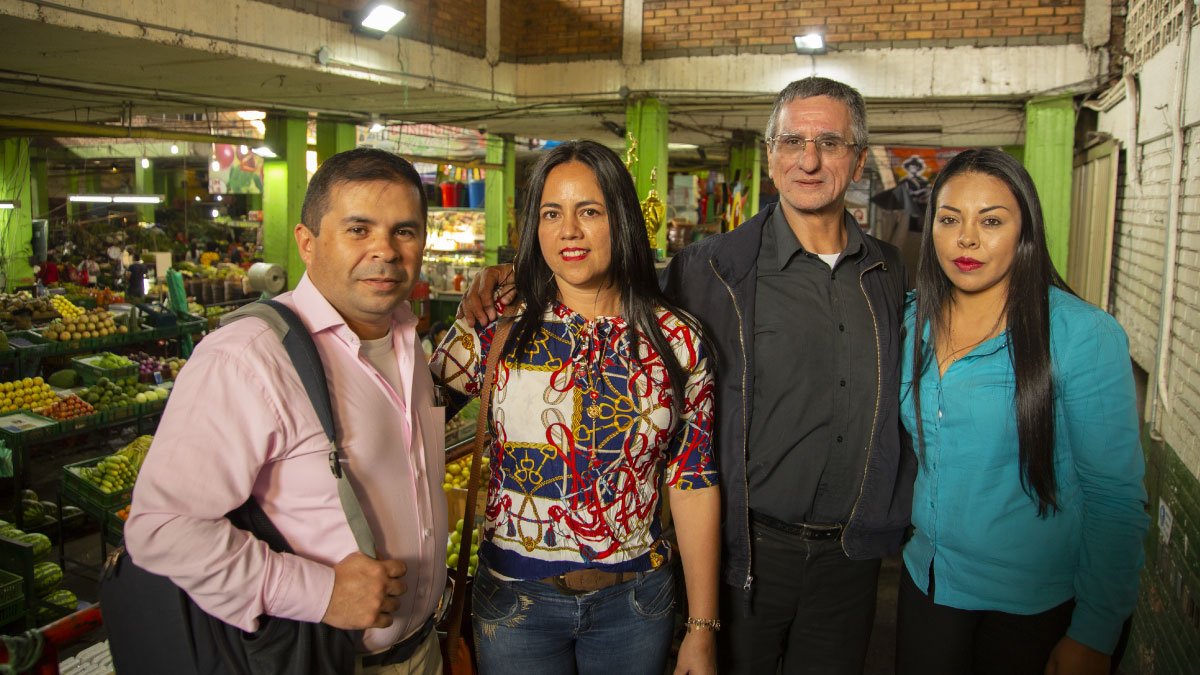
Based on the use of solid waste, the Faculty of Engineering, through research professors from UCundinamarca, is developing the pilot prototype project for the generation of electrical energy in the market square of the municipality of Fusagasugá, which will benefit more than 700 merchants.
According to the researcher and professor at UCundinamarca Humberto Numpaque López's project proposes: “The design and implementation of an anaerobic digestion system using a continuous reactor, thereby reducing energy costs in market stalls, as well as the effects of greenhouse gases and the generation of vectors, rodents and the probability of diseases.”.
The project consists of the design, development, and implementation of a scale model of biodigester, whose main objective is to produce clean energy from the use of organic solid waste (OSW) generated in the market square of the municipality of Fusagasugá and transform it into Biogas using the anaerobic digestion technique.
To achieve the aforementioned purpose, the project will be implemented in four phases. The initial phase consists of conducting a diagnostic assessment of the Fusagasugá municipal market square to quantify the amount of organic solid waste generated weekly, its volume, and the disaggregated energy demand of the businesses operating in the square.
The second phase involves establishing the composition of the organic substrate and the optimal inoculum source to be used in the anaerobic digestion process. The composition of the organic substrate to be biodegraded will be obtained through a statistical analysis that allows for the selection and collection of a number of samples of organic solid waste generated in the market square.
The selected samples will be subjected to experimental laboratory tests in order to determine the percentage of volatile solids, total solids, ash, total fats, protein, pH, fiber content among others and to understand the relationship between the study variables and their influence on the anaerobic digestion process of organic solid waste.
To select the optimal inoculum source, three experiments will be conducted in 500 ml batch reactors, each fed with a sample of organic solid waste and inoculated with three inoculum sources from the region at three different temperatures, distributed between the mesophilic and thermophilic ranges. These experiments will determine which inoculum resulted in the highest cumulative biogas production per kilogram of organic matter, the best quality of the biogas generated in terms of volumetric methane concentration, and the shortest production time.
The third phase involves creating a continuous biodigester at scale, complete with its respective instrumentation and control modules for variables related to the anaerobic digestion process. The variables to be measured are pH, temperature, volumetric concentration of methane (CH4) and carbon dioxide (CO2), pressure, and biogas production.
The variables to be controlled are pH, substrate inlet and outlet of the reactor, substrate stirring speed, and temperature. Once the bioreactor is built and instrumented, it will be loaded with organic solid waste to undergo an anaerobic digestion process and generate biogas.
The fourth phase involves developing a system for generating and distributing electricity from the biogas produced during the anaerobic digestion process. This will require constructing a biogas storage system and a pipeline to supply the biogas to a combustion engine.
Based on the energy demand study conducted in the initial phase of the project, the synchronous generator required to provide the necessary power will be calculated. This phase includes the design of biogas flow controllers for the combustion engine, enabling the engine's speed to be varied and maintaining the nominal voltage and frequency generated within the commercial ranges established by the Colombian electricity regulatory commission.
The project is a joint research work with the District University, Colciencias, Municipal Mayor's Office of Fusagasugá, and is part of the call for R&D projects for the technological development based on biology – Cundinamarca, call: 829-2018 2.
News
News
News
News