News
2026-09-24
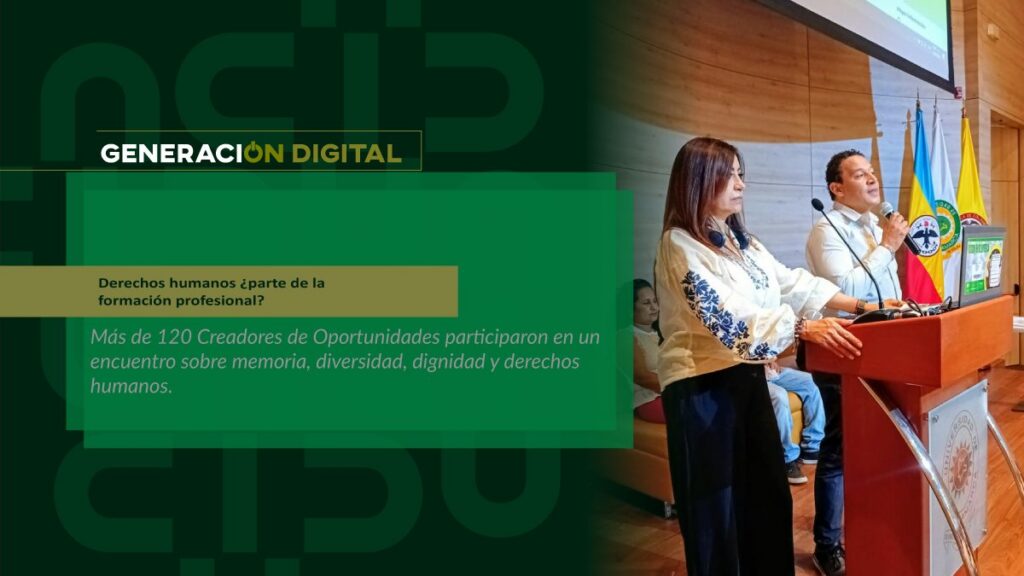
Human rights: part of professional training?
By: Alejandro García Suárez – Advisory Office of Communications


I am your virtual assistant, here to help you quickly and easily.
▲ Back to Top
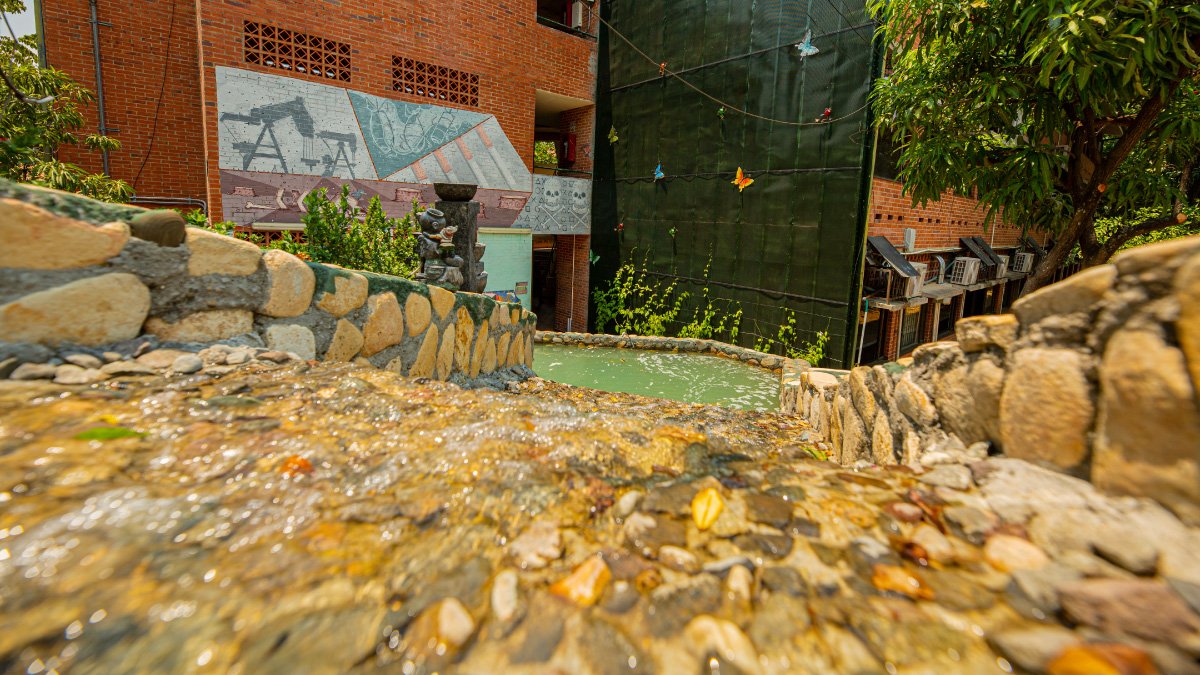
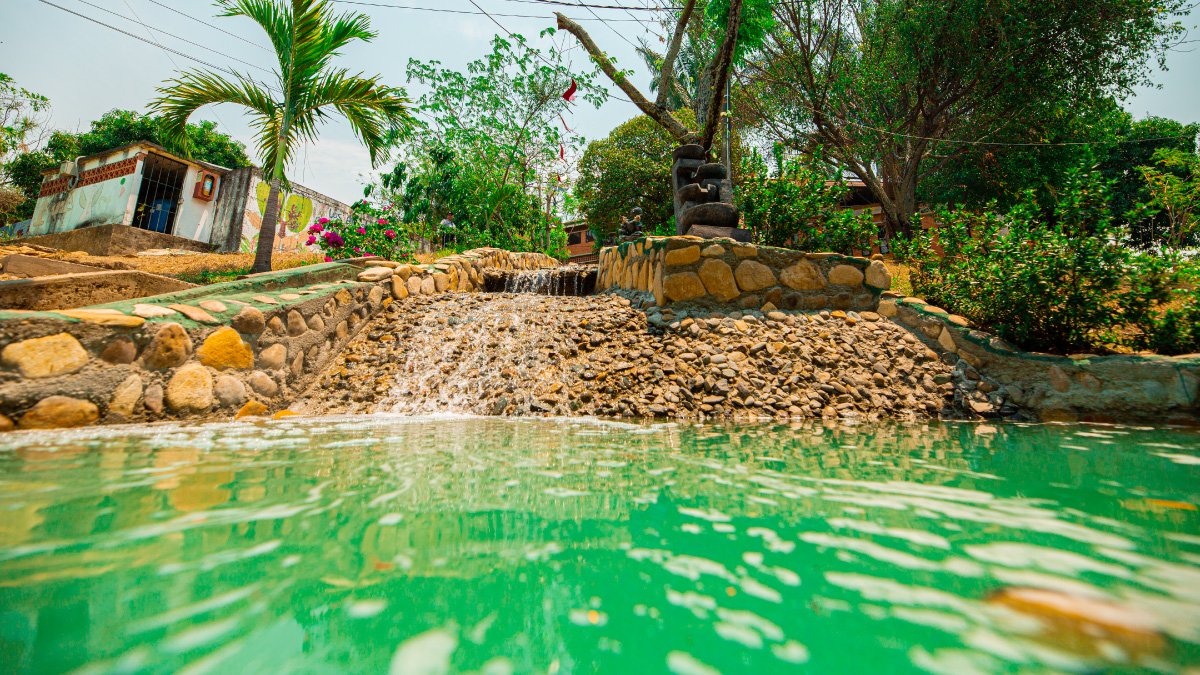
Reflecting the institutional commitment to education for life, through the Transmodern Digital Educational Model – MEDIT from the nature dimension, understanding the human being as an influencing axis of his environment and therefore a generator of positive and negative aspects within it, the University of Cundinamarca is advancing in its purpose of becoming a Green University that contributes to the fulfillment of the sustainable development objectives.
The process begins in the Girardot branch, which, as a pioneer in 2016, implemented actions aimed at saving and using energy efficiently, such as the installation of solar panels and other good environmental practices, as a first step towards the goal set; similarly, in the Facatativá extension, proposals for the Institutional Environmental Management Policy were subsequently initiated in an articulated manner with academia.
In 2019, efforts were directed towards the goal of making the institutional environmental management visible at an international level through the implementation and subsequent certification of the Environmental Management System based on the requirements of ISO 14001:2015, for which the first internal audit was carried out in the academic period 2019-2, in the Girardot Branch and the Facatativá Extension, with results that clearly identify the opportunities for improvement that become the roadmap.
From 2019-2, and during the period 2020 and 2021, with the support of Senior Management, important aspects were consolidated and strengthened to advance towards the institutional goal, such as the allocation of resources and the formation of a competent team of environmental professionals with coverage in the different regional units, which allowed the structuring of documented information, the gradual adaptation of the facilities and the strengthening of environmental culture and participation of the university community (administrators, teachers and students), as a basis for the implementation of the EMS.
Thus, from 2019 to 2021, the execution of the allocated resources and the coordinated work with all processes of the institution's digital operating model, and the different internal and external stakeholders, continued in the implementation of the EMS and with it in closing the gaps identified in the first audit. Therefore, in August 2021, the second internal EMS audit was carried out, in which the progress in the implementation, conformity and adequacy of the System was validated by an external consulting firm, and the certification audit under ISO 14001:2015 criteria was recommended.
In the 2022 institutional environmental challenge, the Girardot branch plays a particularly important role, as it is at this branch and the Facatativá extension where the ISO 14001:2015 certification audit will be conducted. This certification confirms the institution's commitment to education for life and values, and its purpose of living in harmony with nature. For the other campuses, an internal audit will be carried out this year in preparation for continuing the gradual certification process, which aims to achieve 100% certification within the Development Plan period.
How to live in balance with nature at the Girardot branch
The implementation process of the Environmental Management System (EMS) at the Girardot branch, which will be certified this year under the international standards of ISO 14001:2015, has been distinguished by the leadership of the Administrative Director, Dr. Juan Carlos Méndez Forero, the main promoter with his example as a leader of the environmental culture, thereby achieving the active participation of the university community (administrators, teachers and students), with the constant and dynamic support of the Environmental Management System, and in articulation with other external stakeholders in a translocal context.
Likewise, the branch has had a progressive environmental investment plan based on the identified needs, which amounts to an investment of more than $200,000,000 from 2019 to 2022, aimed at the implementation of the Institutional Environmental Management Policy, through the Institutional Environmental Management Plan – PIGA, and its programs for saving and efficient use of energy-PUEE, water -PUEA, materials- PUEM, comprehensive waste management-PGIR and university environmental projects- PRAU.
News
News
News
News