News
2026-09-24
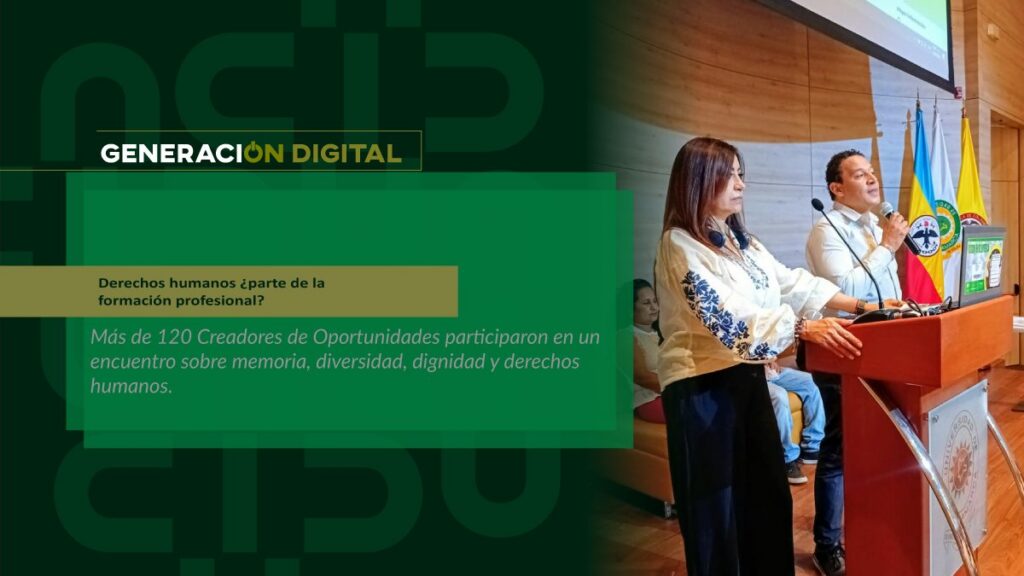
Human rights: part of professional training?
By: Alejandro García Suárez – Advisory Office of Communications



I am your virtual assistant, here to help you quickly and easily.
▲ Back to Top
By: Juan Carlos Monzón Solórzano – Communications Advisory Office
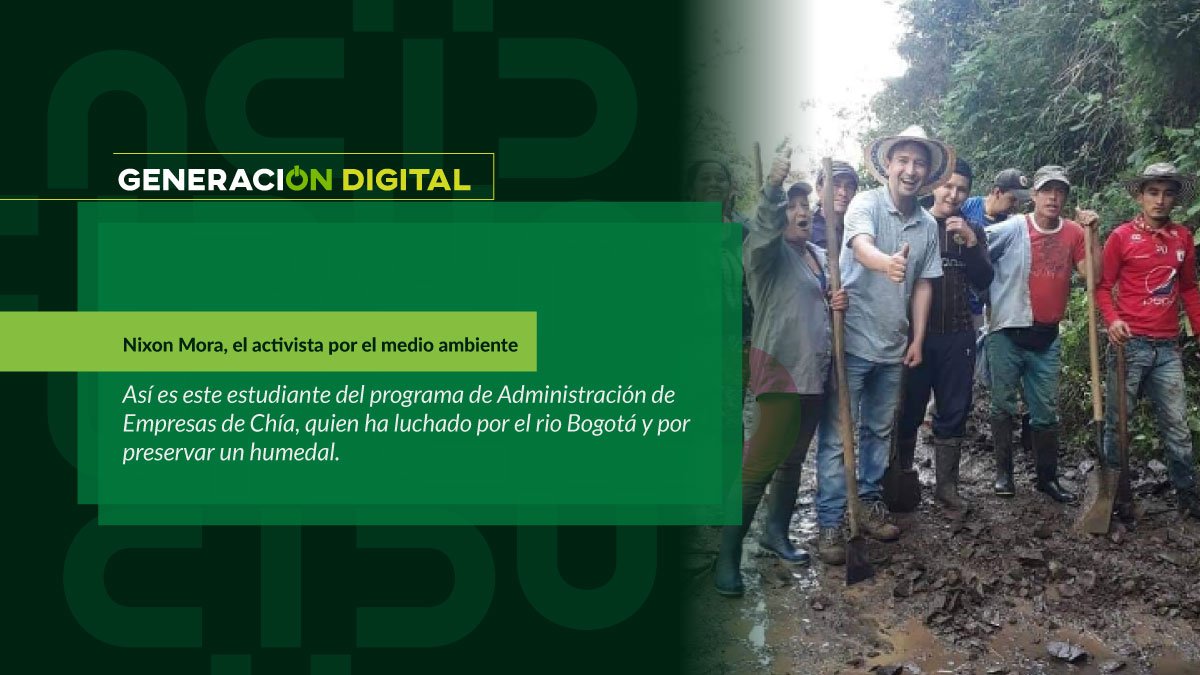
The saying "he who does not live to serve, does not deserve to live" fits this man perfectly. For in every neuron of his brain, he carries the spirit of a social and environmental leader in a country where being one often means facing death head-on.
His love for this subject, he tells us, was born in the classroom at UCundinamarca, where, thanks to the Transmodern Digital Educational Model, MEDIT, and its nature dimension, he developed a strong environmental awareness. “I had a professor named Carlos René who taught us an elective course that dealt with this issue and complemented it with economics. That class sparked a lot of reflection in me, and from then on I became fully involved in working on it alongside the community.”.
And yes, this man, who comes from a small town in the heart of Colombia called Ancuya in Nariño, 70 kilometers from Pasto and perched high in the Andes Mountains, decided to take on the environmental fight against the government through a social organization called Voces del Rio (Voices of the River), which he manages from Chía. “We created it to prevent the urbanization of the area adjacent to the Bogotá River and to stop the hydraulic modifications, which is when they use a backhoe in the riverbed to widen it and prevent flooding, causing significant environmental damage. That's why we participate in a technical working group with the CAR (Regional Autonomous Corporation) and we monitor that process,” he tells us with great conviction.
But his work in defense of the environment doesn't end there. When he learned of the construction of the Troncal de Los Andes highway, which aimed to connect Chía with the Autopista Norte (North Highway) by crossing a wetland of the same name, this man, along with the local ombudsman's office and the community at large, filed a class-action lawsuit to stop the project. "And we won! Now they'll have to redesign the route!" he tells us enthusiastically, his Nariño accent still lingering despite his eighteen years in the region.
His struggle has been immense, and he currently holds the position of vice president of Dignidad Panelera, an organization from which, along with other citizen participation groups, he has waged a fierce battle against one of the country's largest sugar mills, which sought to patent this food. According to the National Federation of Panela Producers, panela is fundamental to the Colombian diet, with each person consuming 19 kilos per year. "We managed to stop the patent, and we are currently fighting it before the Superintendency of Industry and Commerce. Now we are seeking to have this product declared a national heritage to prevent this from happening again," he tells us indignantly.
That experience made him think again about what to do for those small producers who, during the sugarcane harvest, get up very early to cut it with their machetes to sell to producers who often pay them poorly. “With that in mind, I’m working on my thesis to create an application called Panelapp, which aims to shorten that chain of intermediaries so that, for example, a company like Quala knows that on a certain date Don Jacinto will be in the middle of the harvest, and he can send them photos of the crop so they can buy his production.”.
As we said goodbye and thanked him for the time he gave us, we reminded Nixon that his town had recently been in the news because it suffered a series of landslides due to the rainy season. Immediately, his spirit of solidarity and leadership shone through once again. “Oh yes, that’s why we organized a chicken barbecue with the community from Nariño and raised 1.5 million pesos to send to the victims who lost everything. That’s the power of a community when it unites,” he concluded.
News
News
News
News