Fusagasugá Branch
2026-09-24
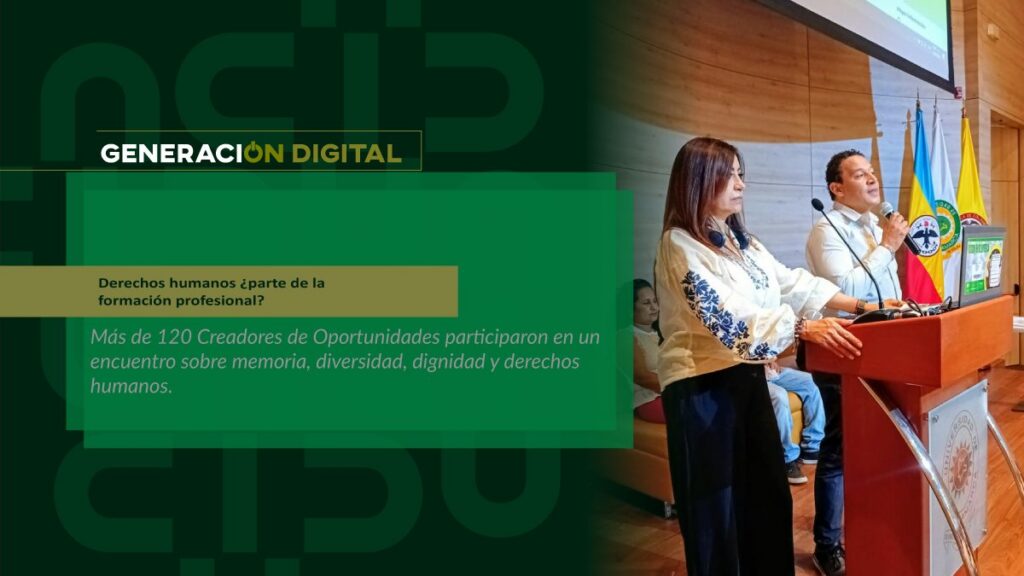
Human rights: part of professional training?
By: Alejandro García Suárez – Advisory Office of Communications


I am your virtual assistant, here to help you quickly and easily.
▲ Back to Top
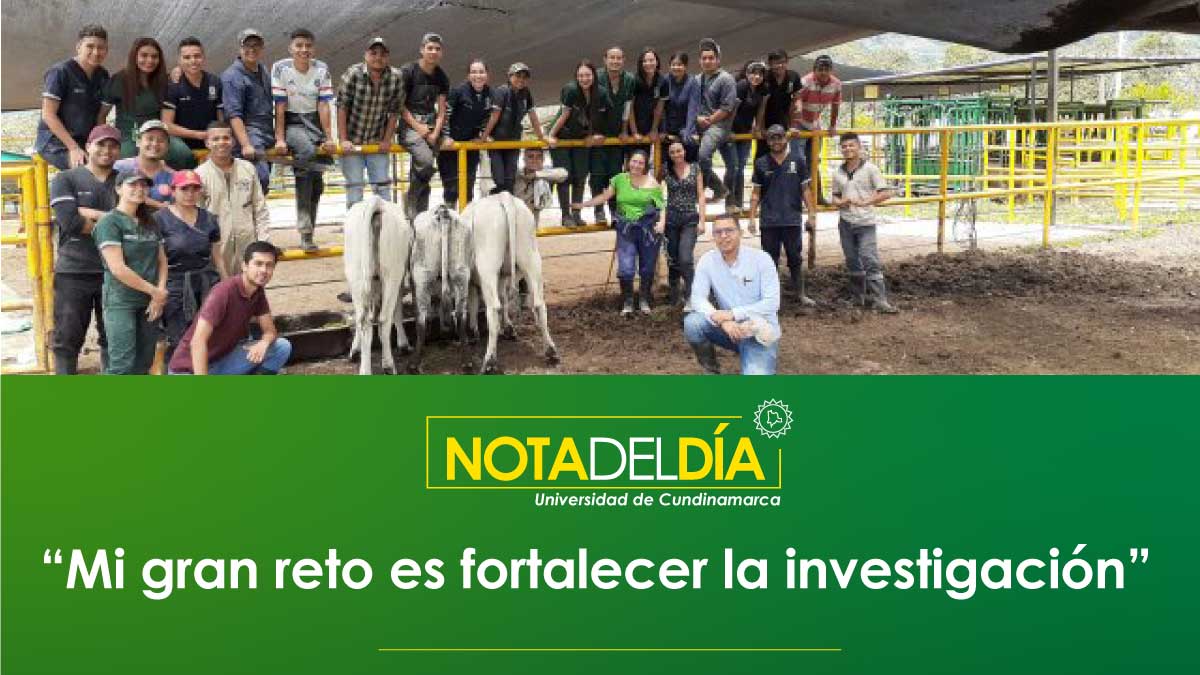
This professional achievement of David Esteban Contreras Márquez It was granted once the requirements established by the call for career teachers were met, carried out in agreement with the National University in terms of transparency in each of the selection processes.
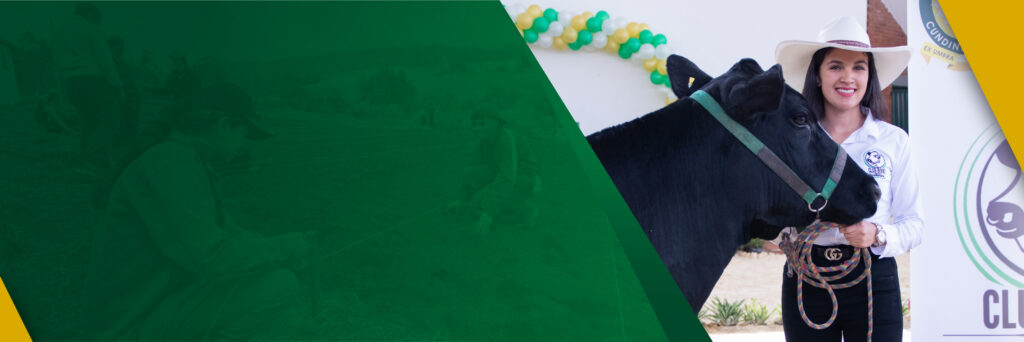
Professor David Esteban is from Cordoba, trained in Veterinary Medicine and Zootechnics by the University of Cordoba, with a master's degree and doctorate from the Federal University of Viçosa – Brazil, he is 34 years old.
His journey at the University of Cundinamarca began in August 2018 as a full-time teacher in the Zootechnics program, Faculty of Agricultural Sciences, and as a career professor on February 8, appointed to the position by the rector of the institution.
UC, the Faculty of Agricultural Sciences is a well-established and recognized academic unit within the university. What does this achievement mean?
DECM: An achieved goal that was set once I began postgraduate studies at the Brazilian University, and with greater joy to have achieved it in this institution that opened its doors to me since August 2018, making me feel from the beginning as part of this great family.
UC, what will your contribution be to the university to continue strengthening the Animal Science program?
DECM: Since joining the University, I have strived to make a significant contribution to research. Thanks to this hard work, in 2019 I was classified as a Junior Researcher by Colciencias. In addition to promoting better academic training for students, my goal is to continue contributing to research while also seeking categorization for the GIFBA research group, of which I am an active member.
Currently, the Animal Science program is undergoing a high-quality accreditation process; therefore, I hope that with my efforts and achievements, we will obtain this recognition that our program so richly deserves.
UC: Veterinary activities to guarantee food safety, disease prevention and emergency management are a key role of veterinarians in the post-pandemic era. From academia, how can we contribute to these three areas?
DECM: The role is not only that of veterinarians but also of animal scientists, who have the responsibility to produce excellent quality animal protein, as well as produce healthy foods that do not promote the manifestation of pathologies.
As educators, we must promote from within academia the application of strategies that encourage the production of safe food that promotes the nutritional and health well-being of the consumer.
UC: Our MEDIT declares an education for life, for being, how do you view this great missionary commitment?
DECM: The MEDIT program fully aligns with our ethical and moral values, as we wish and strive to transmit what we, as teachers, were taught during our academic training, where "knowing" and "knowing how to do" are not the only important aspects, but also "knowing how to be." A society is not rebuilt solely with knowledge, but with principles of civility towards others.
UC: Our MEDIT encourages communities to be in balance with nature, what perspective do you have from your profession?
DECM: Animal husbandry, from its inception, has promoted the conservation of natural resources, as all our work is based on them. Currently, society is quite concerned about the emissions of gases (carbon dioxide and methane) generated by some productive sectors, which contribute to global warming. From the agricultural sector, we have promoted research aimed at evaluating nutritional strategies that reduce the production of these gases, always striving to be an economically profitable and environmentally responsible sector.
We invite you to explore the teacher's published works:
MAGAZINE: MVZ CORDOBA
TITLE: Protein fragment consumption and protein digestibility in diets supplied to Chino Santandereano cattle.
DOI: 10.21897/rmvz.1876
https://revistamvz.unicordoba.edu.co/article/view/e1876
MAGAZINE: ANIMAL PRODUCTION SCIENCE
Effects of pre- and postpartum supplementation on lactational and reproductive performance of grazing Nellore beef cows.
DOI: 10.1071/AN18251
https://www.publish.csiro.au/an/AN18251
JOURNAL: SEMINA CIÊNCIAS AGRÁRIAS.
TITLE: Supplementation levels for suckling female calves under grazing: productive and nutritional performance and metabolic profile.
DOI: 10.5433/1679-0359.2020v41n3p945
http://www.uel.br/revistas/uel/index.php/semagrarias/article/view/36581
MAGAZINE: TROPICAL ANIMAL HEALTH AND PRODUCTION
TITLE: Nutritional strategies for heifers under grazing system: productive and nutritional performance, metabolic profile and ovarian activity.
DOI: 10.1007/s11250-019-02095-7
https://link.springer.com/article/10.1007/s11250-019-02095-7
MAGAZINE: CES VETERINARY MEDICINE AND ZOOTECHNICS
TITLE: Metabolism prepartum and reproductive responses postpartum of Nellore cows supplemented in different periods of gestation.
DOI: 10.21615/cesmvz.14.1.3
https://revistas.ces.edu.co/index.php/mvz/article/view/5024
MAGAZINE: ANIMAL PRODUCTION SCIENCE
TITLE: Performance and metabolic status of grazing beef heifers receiving increasing protein supplementation pre- and postpartum.
DOI: 10.1071/AN17485
News
News
News
News