News
2026-09-24
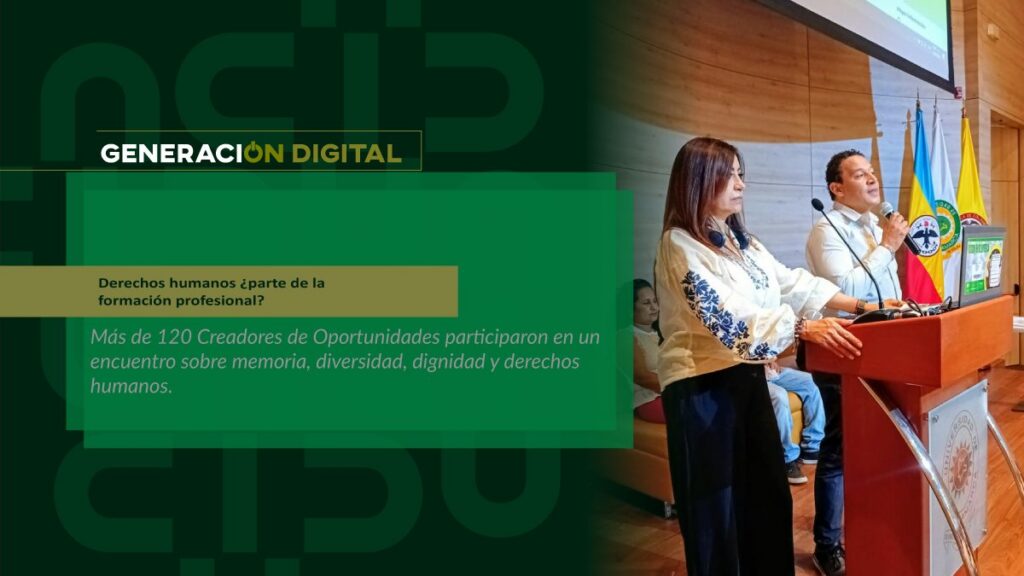
Human rights: part of professional training?
By: Alejandro García Suárez – Advisory Office of Communications



I am your virtual assistant, here to help you quickly and easily.
▲ Back to Top
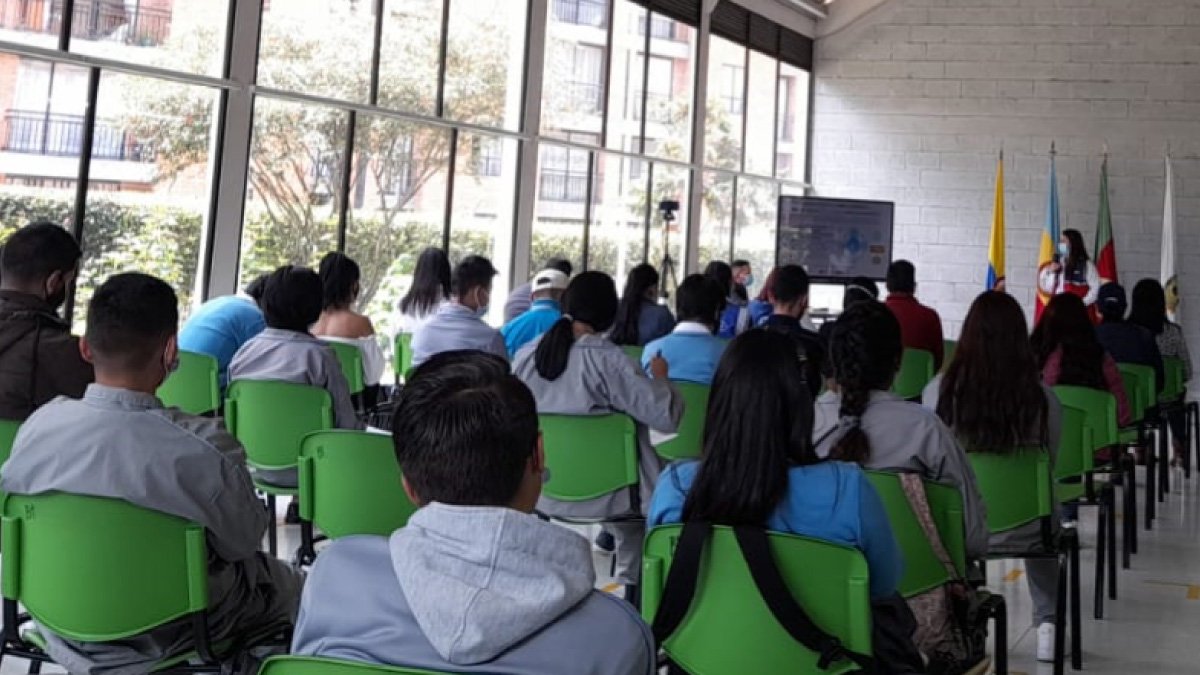
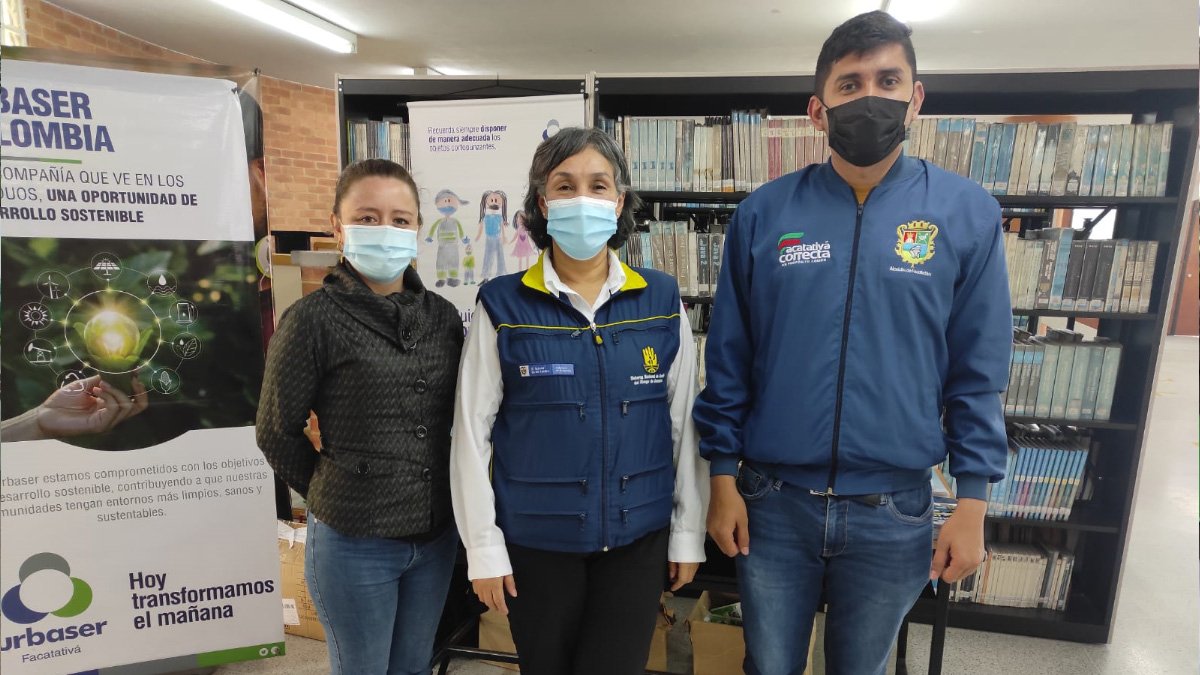
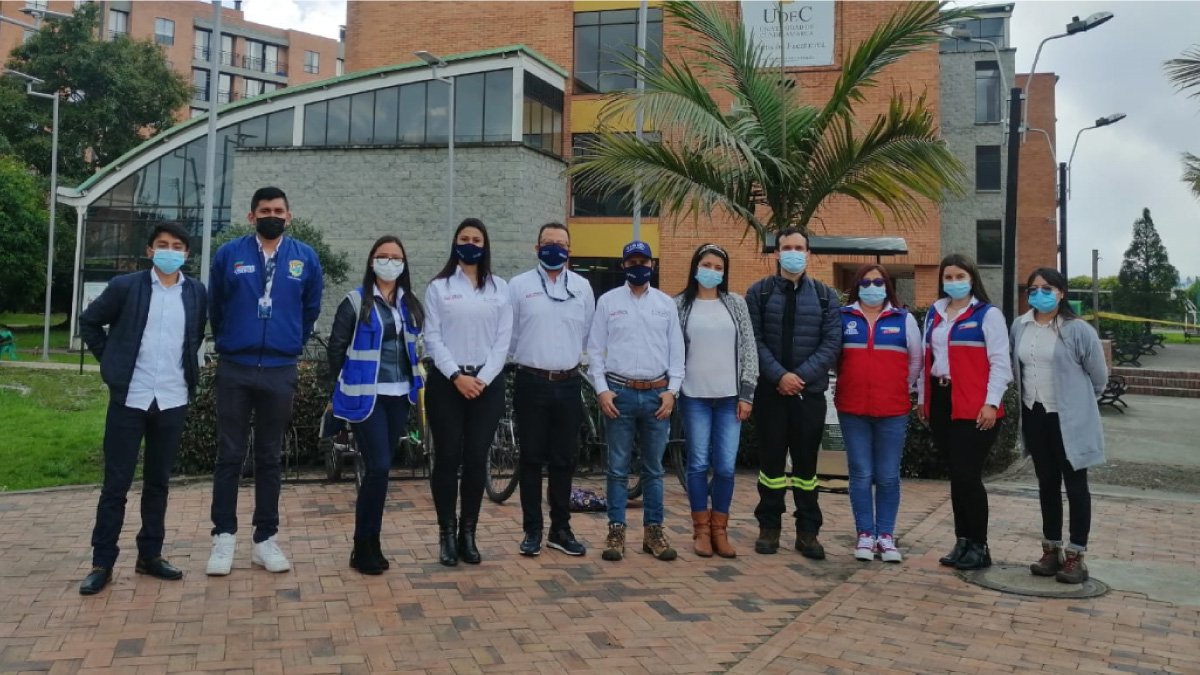
The activity was carried out on October 21 and 22 at the Facatativá Extension and in conjunction with the municipality's Secretary of Government. “These types of collaborations with other entities allow us to strengthen our knowledge and explain how, from within the institution, we are working to meet the goals of the Sendai Framework for Disaster Risk Reduction 2015-2030, from a translocal perspective applicable from the institutional context to the workplace and family,” explained engineer Sandra Milena León, coordinator of the Environmental Management System at UCundinamarca.
During the sessions, topics such as the National Risk Management System were addressed, from the perspective of the National Committee for the Knowledge, Reduction, and Management of Risks and Disasters. Furthermore, the complementary nature of risk management systems in Colombia as a contribution to disaster reduction was explained to the participants, such that:
And the National Environmental System (SINA), with the support of the Intersectoral Commission on Climate Change (CICC), cooperates in self-management, coordination, co-responsibility, gradualism, integration and prevention.
“These systems create opportunities for comprehensive coordination and institutional governance that allows for the fulfillment of international goals such as the Sendai Framework, the Paris Agreement, and the Sustainable Development Goals (SDGs),” explains engineer Diana Russi, an environmental professional from the Facatativá Extension, who supported the coordination with the different entities and the development of the event.
Global goals for disaster prevention
Natural disasters cause loss of life, damage to the environment and to the health of the population; for this reason, at the Third United Nations World Conference on Disaster Risk Reduction held from March 14 to 18, 2015 in Sendai, Miyagi, Japan, the Sendai Framework for Disaster Risk Reduction 2015-2030 was approved.
This framework has seven global goals that seek to reduce the impacts generated by natural disasters.
Discover the seven goals you can be a part of through transformative, everyday actions.
Goal 1: Substantially reduce global mortality from disasters by 2030, aiming to make the average global mortality between 2020 and 2030 100,000 lower than the mortality recorded in the period 2005-2015.
Goal 2: Substantially reduce the number of people affected globally by 2030, aiming for the global average between 2020 and 2030 to be 100,000 lower than the amount recorded in the period 2005-2015;
Goal 3: Reduce by 2030 the direct economic losses caused by disasters in relation to global gross domestic product (GDP).
Goal 4: Substantially reduce disaster damage to critical infrastructure and disruption of basic services, particularly in education and health facilities, inter alia by increasing their resilience by 2030.
Goal 5: Substantially increase the number of countries with national and local disaster risk reduction strategies by 2020.
Goal 6: Substantially increase international cooperation with developing countries through adequate and sustainable support to complement their national actions for the implementation of this 2030 Framework.
Goal 7: Substantially increase the availability of and access to early warning systems for multiple hazards, as well as disaster risk information and assessments by 2030.
The invitation is to participate in achieving these goals, which are focused on caring for life, which, as our translocal and transmodern digital educational model (MEDIT) teaches us, is the priority, always remembering that: “it is better to be prepared for something that doesn't happen, than for it to happen and we are not prepared.”
Finally, it is worth noting that the following institutions participated in the event: the Ministry of Environment and Sustainable Development, the National Unit for Risk Management, the Departmental Unit for Risk Management, the Regional Autonomous Corporation of Cundinamarca (CAR), the Western Railway Concessionaire, Urbaser, the Facatativá Aqueduct and CENIT Hydrocarbon Transport Logistics, with the cross-cutting support of the environmental management system.
News
News
News
News