News
2026-09-24
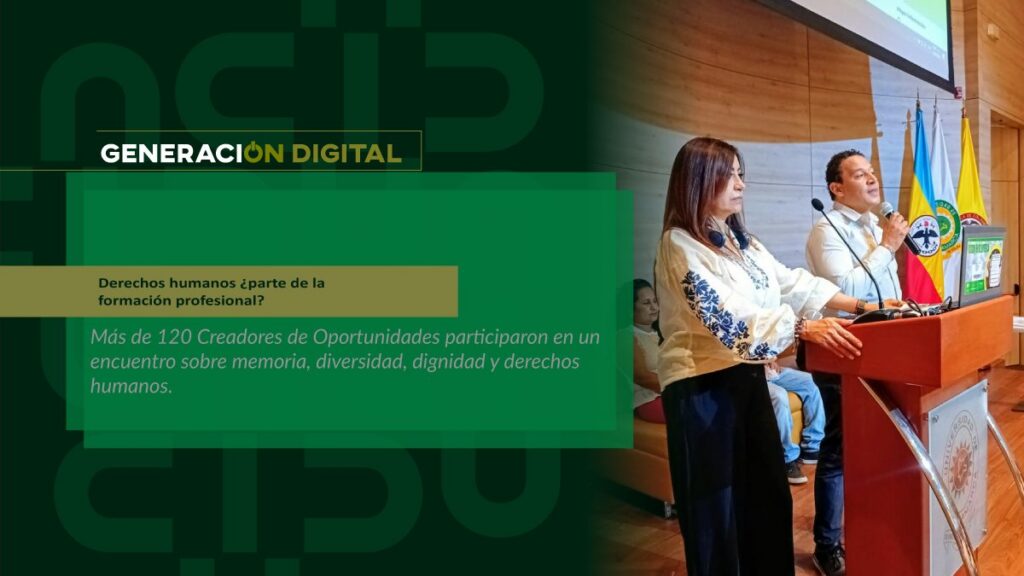
Human rights: part of professional training?
By: Alejandro García Suárez – Advisory Office of Communications


I am your virtual assistant, here to help you quickly and easily.
▲ Back to Top
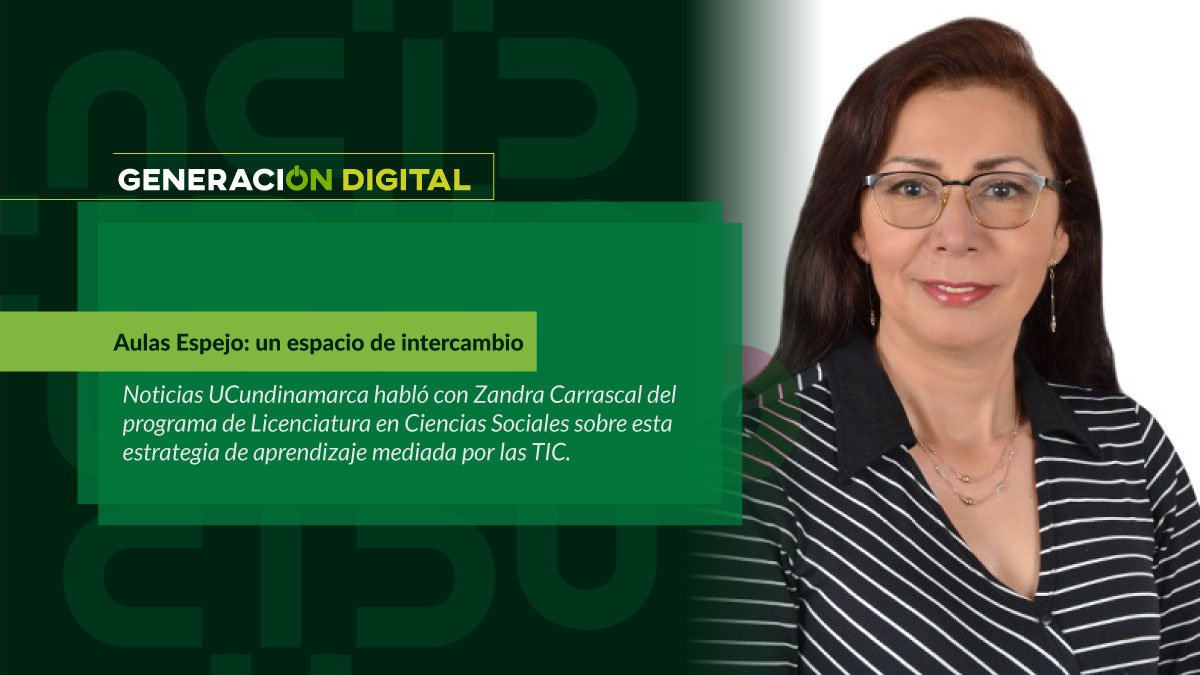
On May 19th, this experience concluded, during which students received instruction from a professor at the National University of the Northeast of Argentina and vice versa. This initiative falls under the "Dialoguing with the World" policy, which aims to promote the internationalization of the curriculum and research as part of an openness process that enriches the knowledge of both students and faculty.
News U Cundinamarca: What is your assessment of the mirror classroom experience?
Zandra Carrascal: This process has been underway since March of last year with the National University of the Northeast of Argentina. We engaged in a dialogue with them, sharing the diverse experiences of both the students from that institution and our own experiences within the undergraduate social sciences program. This exchange focused on the recovery of the historical memory of communities and popular knowledge. It was a very interesting experience because we learned about different ways of exploring these topics.
In this learning process, we were also able to learn about the project they are carrying out there on mothers who are caregivers of the Qom indigenous culture and how they collaborate in integrating children into the classroom and recovering their ancestral customs. Meanwhile, from here, the theme of rootedness to the region and the recovery of family knowledge was presented. Overall, it was a very positive experience because it allowed us to engage with international dynamics through that institution, from which we all learned.
News U Cundinamarca: How many classes were held using the mirror classroom model?
Zandra Carrascal: This year four were conducted: one in March, one in April, and two in May. In total, 234 students from both countries were reached.
News from the University of Cundinamarca: What is the importance of mirror classrooms?
Zandra Carrascal: The importance lies in having been able to learn and exchange ideas synchronously with the direct participants, such as the Qom mothers who care for the community and the teacher who supports this process, thanks to technology and the institutional policy of "dialoguing with the world" that we have developed within UCundinamarca. They also learned about our pedagogical processes with students, who were also able to present their research. All these processes were energized, and that is important.
News from the University of Cundinamarca: What was the students' perception of the mirror classroom experience?
Zandra Carrascal: It was a very positive experience for them because they were able to share their work and experiences while also learning about the ethnographic research processes being conducted at the University of the Northeast with Qom mothers who are caregivers. This helped many of them improve their research. For example, we have experience working with one ethnic group, and that topic contributed to our research.
University of Cundinamarca News: What does this mirror classroom experience look like in the future?
Zandra Carrascal: We at the Faculty of Education see this as very positive and want to continue working with Argentina on these types of projects. We also hope for a future student exchange program, as this pedagogical practice has greatly motivated them to participate.
News
News
News
News