Fusagasugá Branch
2026-09-24
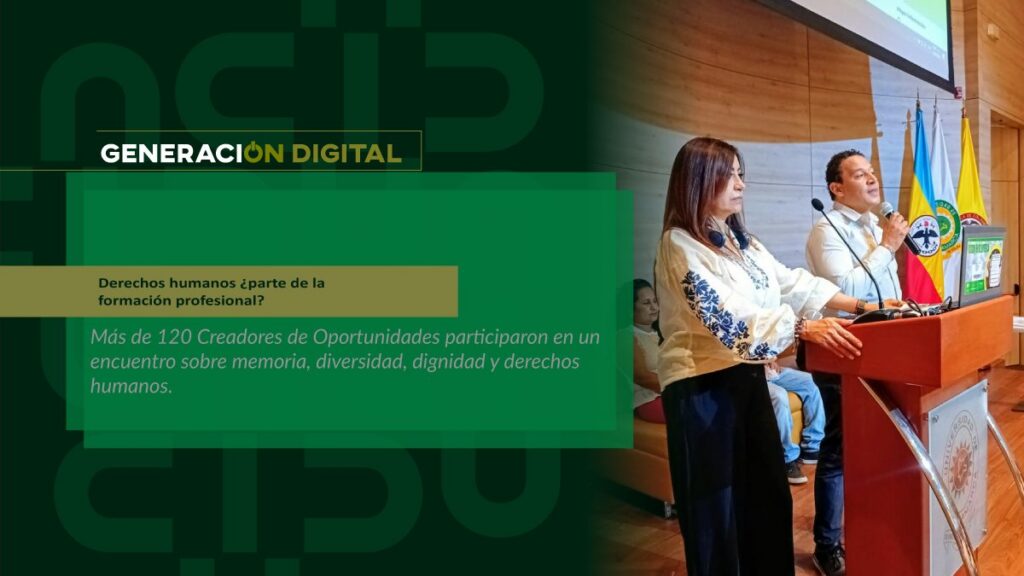
Human rights: part of professional training?
By: Alejandro García Suárez – Advisory Office of Communications


I am your virtual assistant, here to help you quickly and easily.
▲ Back to Top
By: Alejandro García Suárez – Advisory Office of Communications
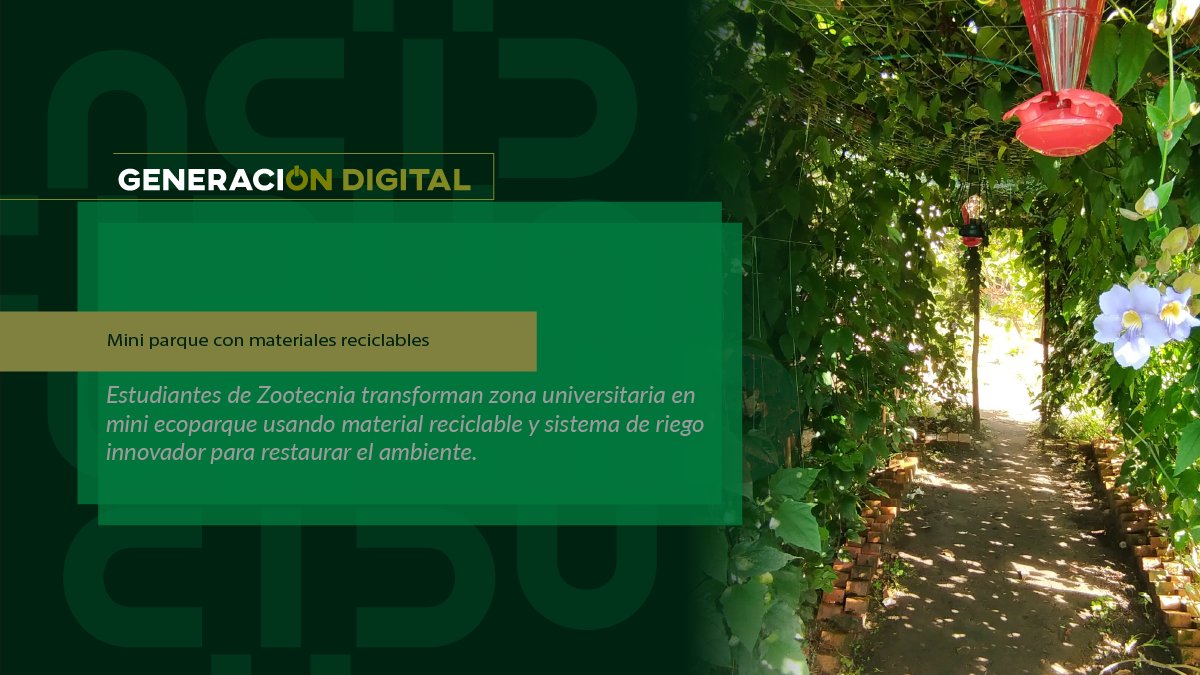
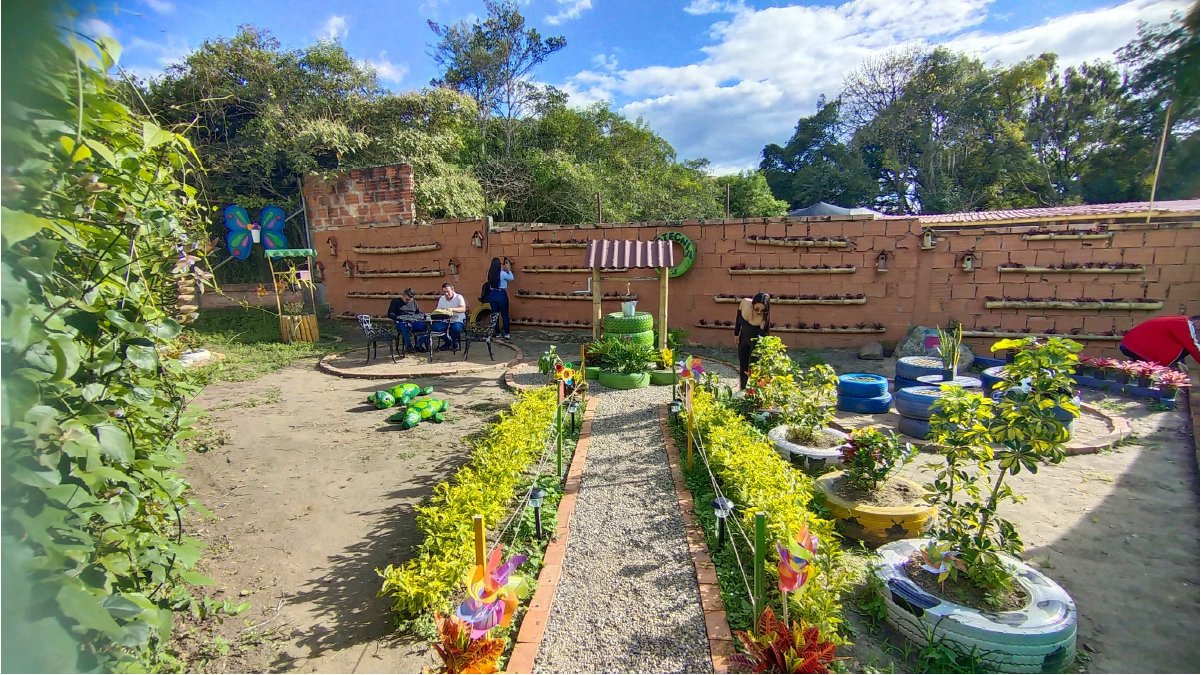
An initiative that combines education, technology and environmental awareness is transforming the landscape of the University of Cundinamarca's Fusagasugá campus, where students and Knowledge and Learning Managers have created a green space that serves as a living laboratory for future generations.
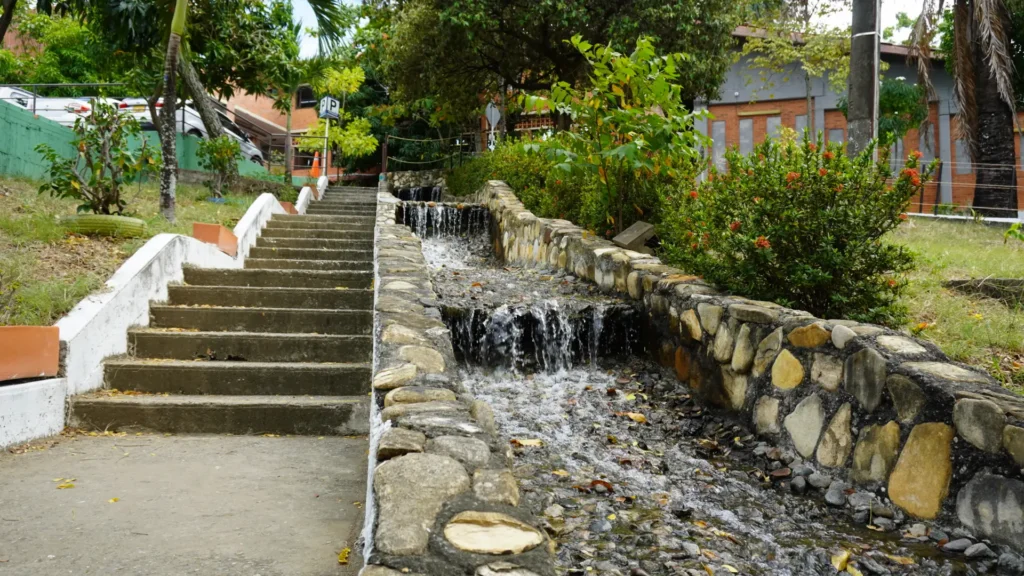
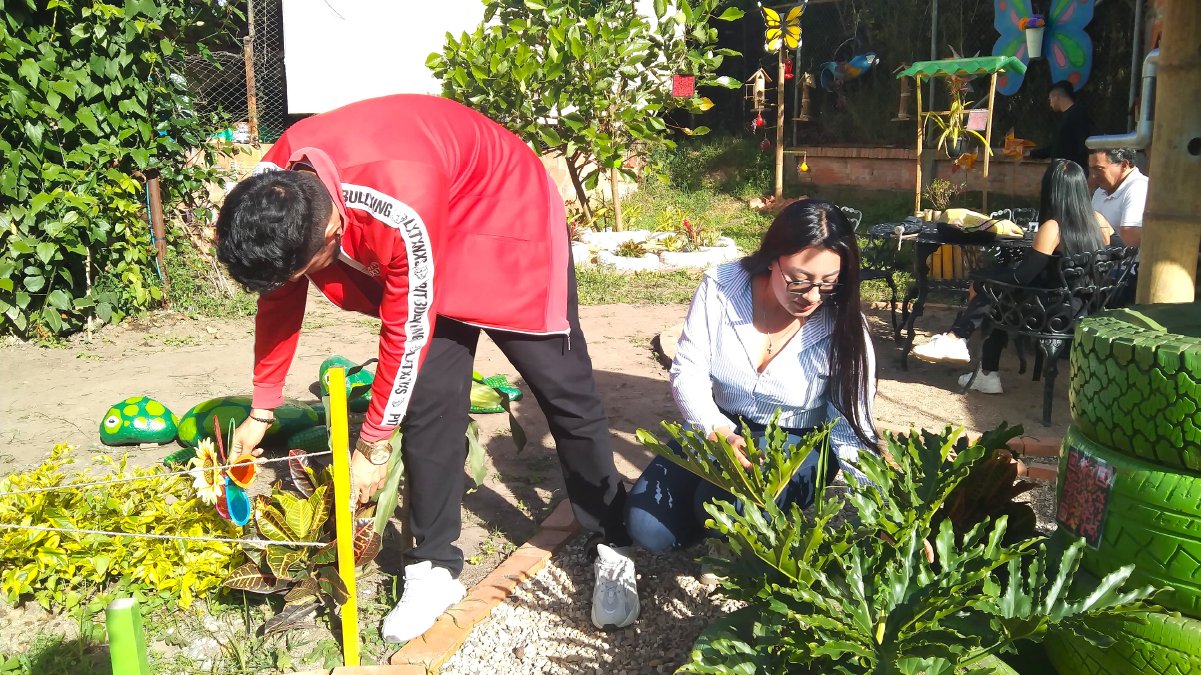
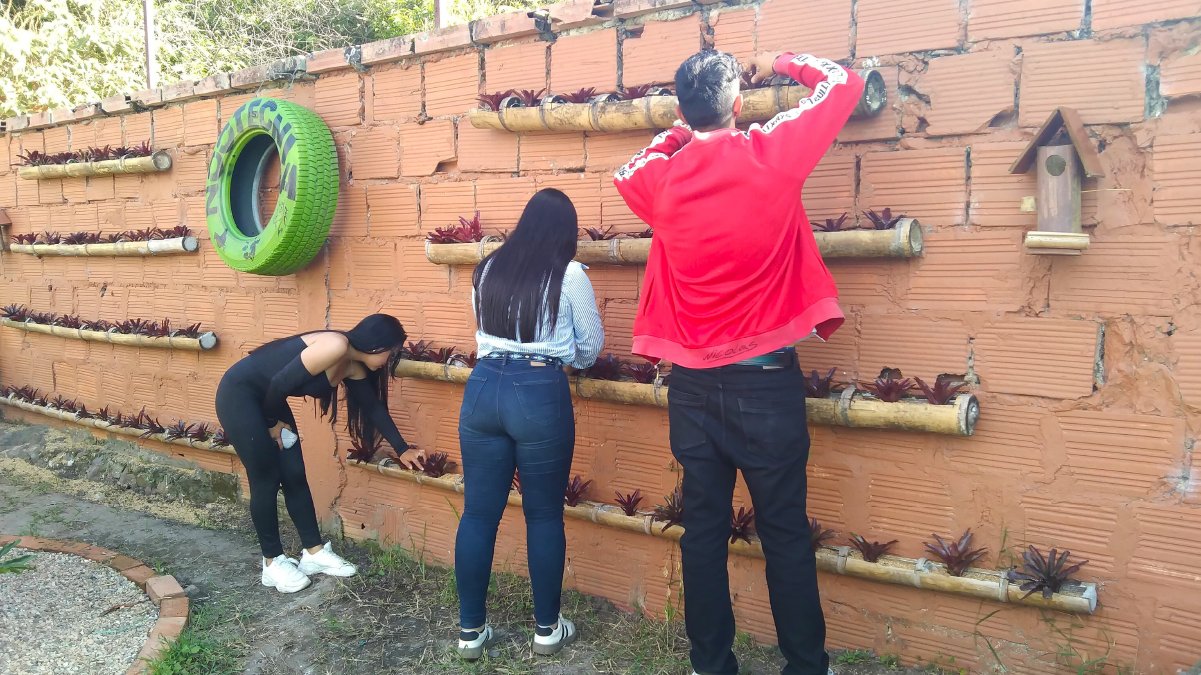
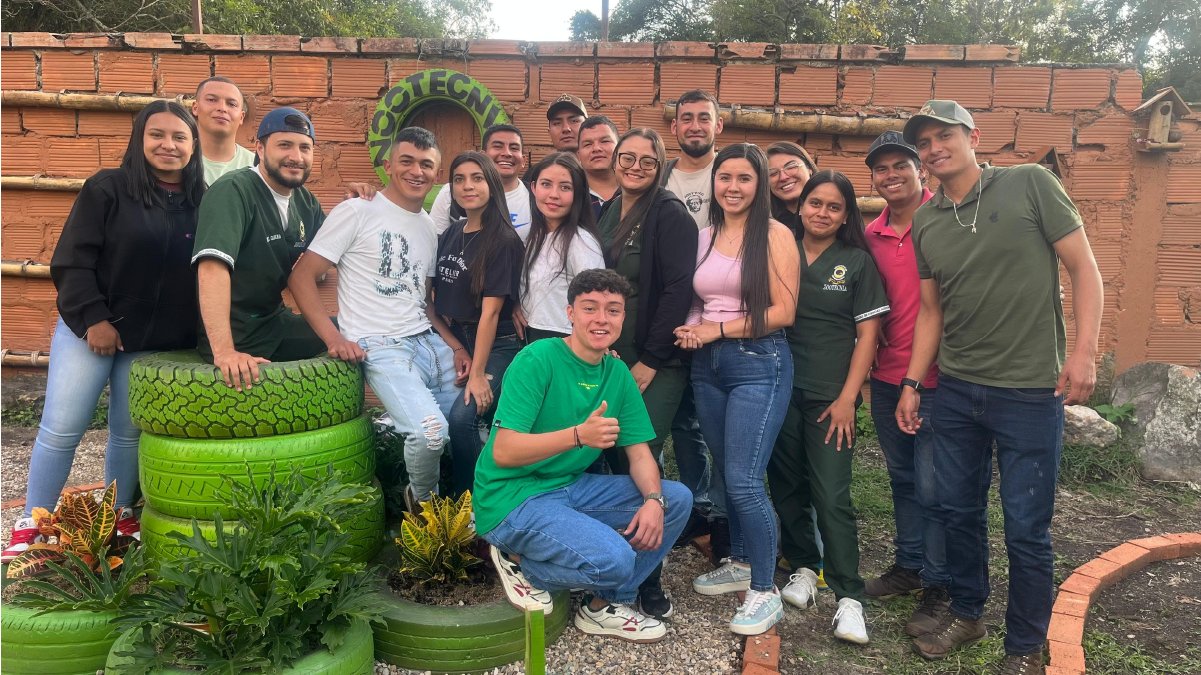
The Animal Science program at UCundinamarca has launched a pioneering project that is changing the way students learn about environmental conservation. It's a mini eco-park built entirely from recycled materials and equipped with a state-of-the-art irrigation system.
Nelson Francisco Usaquén Rojas, project leader and Knowledge Manager for the Animal Science program, explains that this initiative arose from the need to create practical learning spaces for students. “We have managed to implement an infrastructure dedicated to environmental restoration through the propagation of various plant species,” he emphasizes.
A green oasis in the heart of the campus
The mini eco-park is strategically located next to the university's main parking lot, making the most of both the available space and existing resources. Its most striking feature is its micro-misting irrigation system, constructed with round pipes and galvanized mesh that maximizes water efficiency.
“The system is adapted to the specific needs of each plant species, taking into account local climate conditions and the controller's technical capabilities,” explains Usaquén Rojas. This technology allows plants to receive precisely the amount of water they need, reducing waste and optimizing their growth.
Applied science on every page
The students don't just water and care for the plants; they also conduct rigorous scientific work. Each plant is measured and analyzed: its height, stem thickness, and number of leaves. This data becomes valuable information for understanding how species grow best in controlled environments.
“This information will be used to generate informational resources about cultivation in controlled environments,” says the project leader. The students learn by doing, applying theoretical concepts in an open-air laboratory.
He added that this project was carried out with the support of the dean's office of the Animal Science program, as well as the Knowledge Manager Walter Francisco Muñoz, from the Agronomic Engineering program; the engineer Paola Andrea Ramírez Suaza, head of Physical Resources and General Services; the maintenance staff and the students of the Disciplinary Learning Field (CADI) in agroecological systems of the Animal Science program.
Digital technology at the service of the environment
The project goes beyond plants. The students are creating innovative digital tools: a digital catalog of species and a website where they document the development of each plant. They also record videos about the characteristics of each species, material that will be used to train other students and raise awareness in the community.
An impact that transcends the classroom
This project from the Faculty of Agricultural Sciences has a broader purpose than education. It seeks to contribute directly to the restoration of the local environment and educate the community about the importance of protecting biodiversity.
“We not only want to train competent professionals, but also citizens who are aware of their environmental impact,” says Usaquén Rojas. Students learn that every action counts and that technology can be a powerful ally in protecting the planet.
Camila Suárez, an animal science student, noted that the implementation of this project is very important for her training, as it allows them to have a different approach to learning than solely in the classroom. "We spend a lot of time studying theory, and these kinds of experiences bring us closer to the field, allow us to apply what we've learned, and develop practical skills for the formulation and execution of projects," she stated.
A model to replicate
The success of this mini eco-park demonstrates that it is possible to combine quality education with environmental responsibility. Recycled materials are transformed into useful infrastructure, technology optimizes the use of natural resources, and students develop practical skills while contributing to a more sustainable world.
This initiative is setting a precedent at UCundinamarca and could inspire similar projects at other universities across the country. After all, when students see firsthand how their actions benefit the environment, they become the best ambassadors for change.
Listen to our Podcast:
News
News
News
News