Fusagasugá Branch
2026-09-24
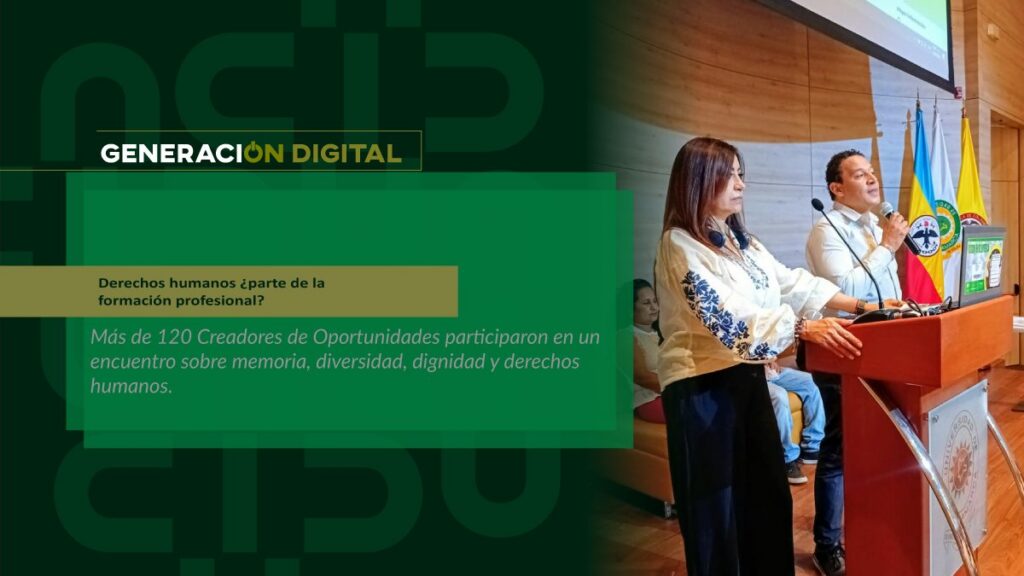
Human rights: part of professional training?
By: Alejandro García Suárez – Advisory Office of Communications


I am your virtual assistant, here to help you quickly and easily.
▲ Back to Top
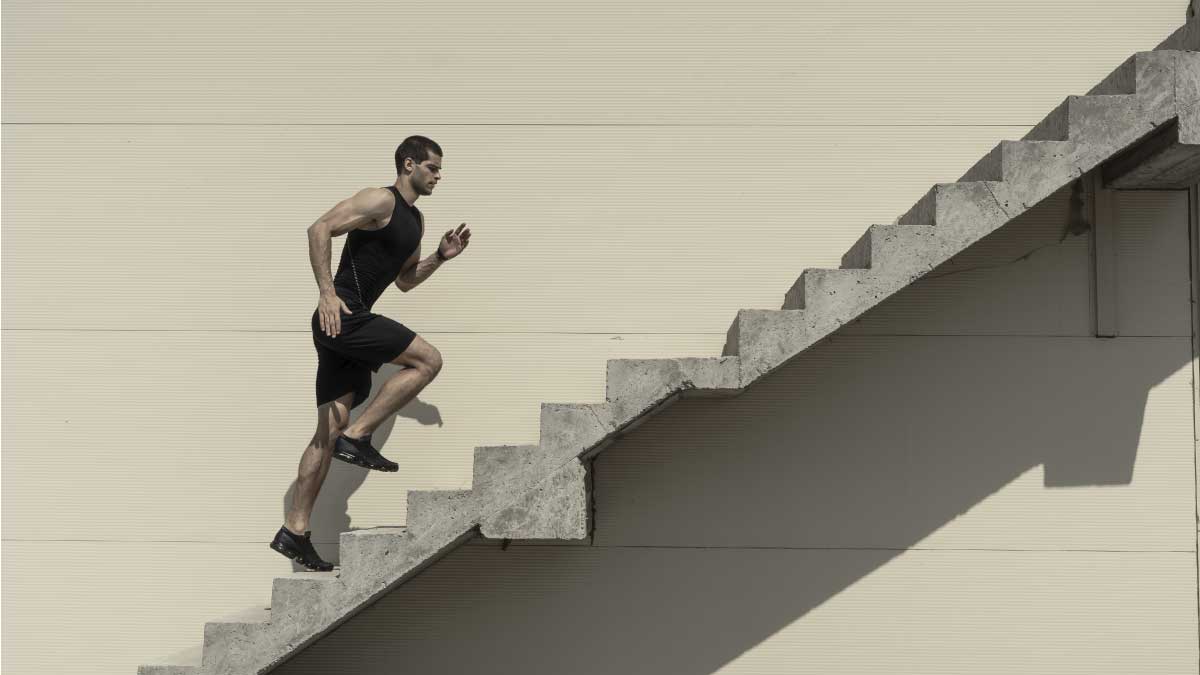
The Faculty of Sports Science and Physical Education held the IV International Seminar on Updates in Physical Education, Recreation and Sports, virtually, with the participation of speakers from Ecuador, Chile, Spain and Colombia.
“This event focused on the relevance of spaces for dialogue, visualization, and updating in physical education, recreation, and sport during times of pandemic. We also want to provide scenarios for building new knowledge based on new methodological strategies for the development of physical education, recreation, and sport programs in isolation, virtuality, and the new normal,” said Pedro Nel Quintero Turriago, dean of the faculty, at the opening of the event.
View international seminar event
For her part, speaker Julieth Mercedes Albarracín Otálora, a graduate of the Faculty of Sports Sciences, and a specialist in sports administration and management, and a master in physical activity for health, presented her research on the experiences of physical education teachers in the public sector of the district during the time of the COVID-19 pandemic.
“The field of physical education, distinguished by its practical nature and role in fostering social cohesion, has not escaped this new reality. For this reason, it is necessary to understand this transformation of physical education, which has its own particularities given the characteristics of the students, most of whom belong to middle and lower socioeconomic strata,” the graduate noted.
Among the most relevant findings of the research was the change in teaching experiences. 761 teachers had to modify their curriculum. The use of WhatsApp was recorded by 411 teachers, followed by Teams with 121 teachers, making them the most frequently used technological tools by the teachers who participated in the survey. Regarding the curriculum, 761 teachers stated that they had modified it, while only 241 did not.
The conference “Strengthening healthy lifestyle habits during the remote education period stipulated by the MEN”, led by Arcadio Lozano Botache and Master in Education, highlighted in his talk the successful experience of a pedagogical proposal structured from a classroom project to contribute to the physical and mental well-being of the students of the Francisco José de Caldas Educational Institution, located in the northern district of Fusagasugá.
The project developed educational guides for the different courses of basic secondary education, as well as initial reflection activities, knowledge appropriation and transfer, and evaluation.
“It can be concluded that sports, dance, recreation, and other forms of bodily expression facilitate the development of activities by students, provide socio-emotional balance, and maintain healthy lifestyle habits within the family. Likewise, the difficulties of connectivity and accessibility of information faced by this rural population must be addressed through the development of guides that promote information, description, and learning assessment processes embedded in the activities carried out by the students of the institution,” highlighted presenter Lozano Botache regarding his project.
The conference “Characterization of methodological teaching strategies used by physical education teachers and their curricular adaptation to the new normal” by Yesenia Olate Pastén, from the Adventist University of Chile and a master in physical education, contributes to the sector that in learning environments teachers use active methodologies in the physical education class, with the exception of a group of students who identify the directive methodology as the most used during the class.
For her part, July Constanza Melo Tavera, PhD in physical activity and sport, from the Basque Country, revealed the physical and psychological process, during and after confinement, of elite male athletes of Apnea (Freediving) in Spain.
The speaker presented the results of the survey, based on the standard format (Likert scale). Her findings suggest recommendations or sports methodologies outside the aquatic environment to mitigate sedentary behavior, maintain levels of physical activity during apnea, and improve the psychological impact that arose during confinement.
News
News
News
News