Fusagasugá Branch
2026-09-24
Human rights: part of professional training?
By: Alejandro García Suárez – Advisory Office of Communications



I am your virtual assistant, here to help you quickly and easily.
▲ Back to Top
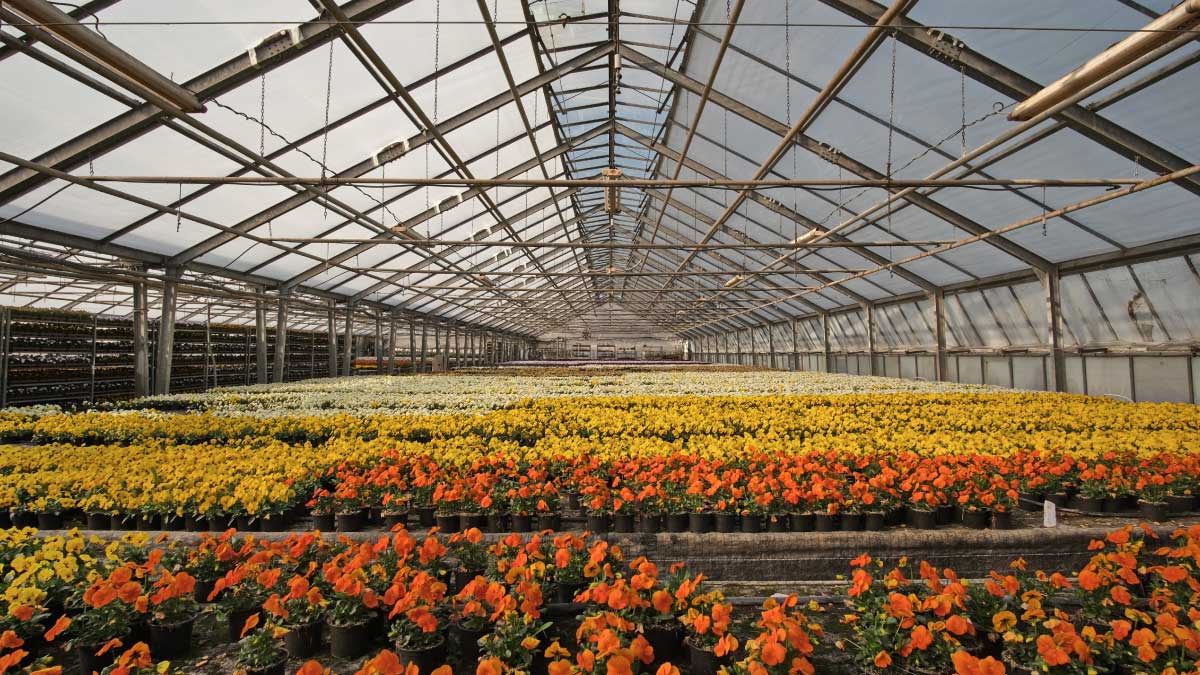
At the XV Research, Competitiveness and Development Forum: “Nurseries, Fusagasugá, Region”, the Arado research group presented to the academic and external community the results of research projects they have led.
Therefore, during the academic-research event, the continuation of the project “Strategies for strengthening the competitiveness of the nursery subsector in Fusagasugá – Region” was announced, with the dissemination of results: ”Implementation of the Competitiveness Management Model for the Nursery Subsector“ by authors: Elizabeth Ann Escobar Cazal, María Cristina Velásquez Ardila, Gonzalo Escobar Reyes, and the thesis entitled: ”Application of the competitiveness management model to the Plantas del Mundo and Forestmar nurseries in Fusagasugá, for the strengthening of the sector”, led by students Dennis Dariana Luis García and Karen Tatiana Martínez Pedraza, 10th semester students of the Business Administration program, Fusagasugá Campus.
It is worth highlighting that the nursery sector is considered one of the most promising in the development of the Sumapaz region, with competitive advantages such as: variety of climates, biodiversity of flora and fauna, topography, fertile lands and proximity to the Capital District Bogotá, which favor the production and marketing of plants. (Escobar, Velásquez, Escobar, Gálvez, & Gutiérrez, 2019).
In this way, students Dennis Dariana and Karen Tatiana, research assistants of the Avanza seedbed, presented at the forum the paper: Web pages, tools that contribute to the improvement of competitiveness, nurseries: Forestmar, Plantas del Mundo, Fusagasugá, supporting in their strengthening, taking into account that the nursery sector is projected as one of the most promising for the development of the region that make possible the exploitation of forest, ornamental and fruit plants.
“The impact of the project boosts the growth of the agricultural sector, with multiple benefits for both the target population and the nation, because it promotes self-employment for more than 500 families (not counting indirect jobs); it generates recovery of the social fabric thanks to the protection and enrichment of this activity.
”Additionally, this project has a positive impact on nurseries in relation to the situation created by the current COVID-19 pandemic. Through the implementation of this competitiveness model with the application of marketing strategies, it was possible to design tools such as websites that allow these organizations to be visible to customers, expand their market coverage, and find new opportunities in terms of marketing, communication with current customers, and attracting potential customers,” students Dennis Dariana and Karen Tatiana emphasized.
Likewise, the results of the project were: creation of a strategic platform, value chain, marketing tools, user manuals and videos
Tutorials. Consequently, the designed website strengthens the sector and was derived from a business diagnosis, given that this sector is affected by weak organizational practices and business informality, which impact production. Subsequently, the teleological framework was structured with its vision, mission, values, corporate image, and value chain, resulting in the technological platform for the two nurseries with a glocal projection and an export focus.
Finally, it is highlighted that the Forestmar and Plantas del Mundo nurseries, located in the Pampa and Chinauta sector, were selected for the execution of the project, and their owners are linked to the Sumapaz Nursery Association ASOVIZ, thus becoming leaders committed to the project.
News
News
News
News