News
2026-09-24
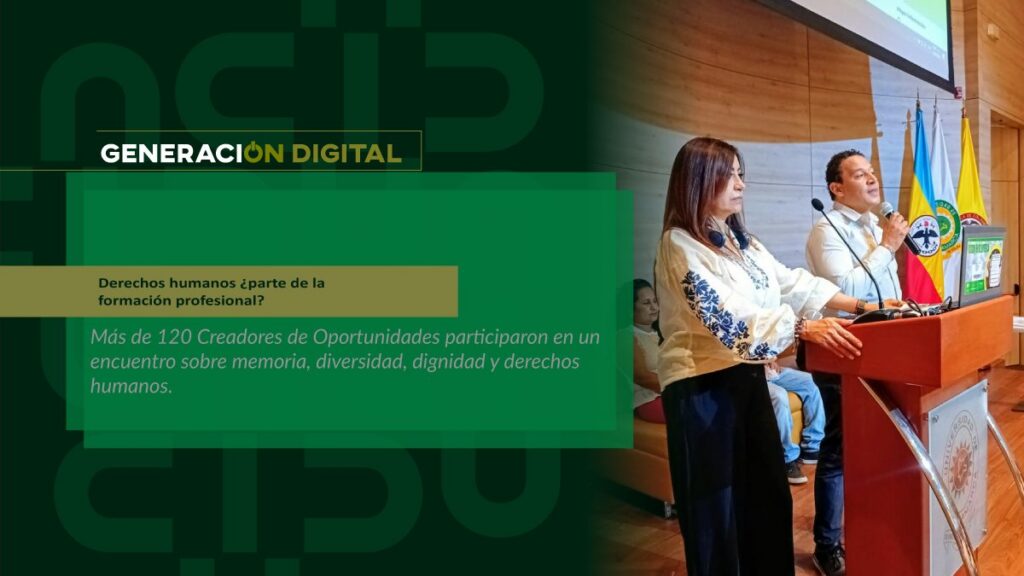
Human rights: part of professional training?
By: Alejandro García Suárez – Advisory Office of Communications



I am your virtual assistant, here to help you quickly and easily.
▲ Back to Top
By: Alejandro García Suárez – Advisory Office of Communications
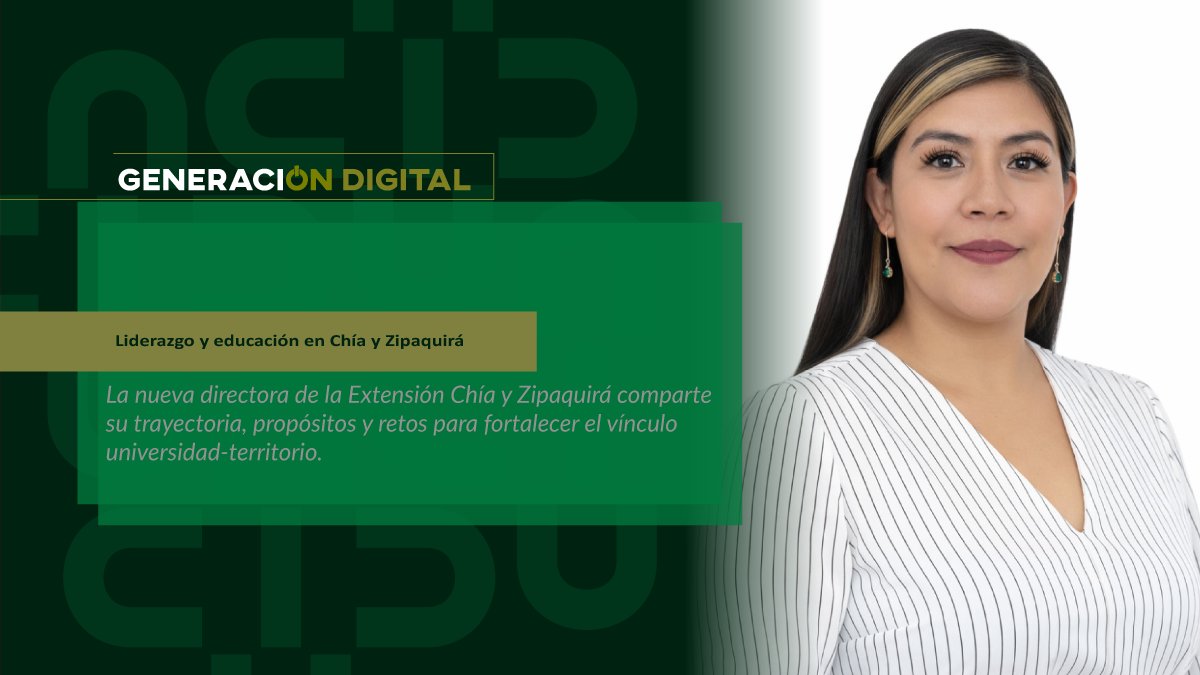
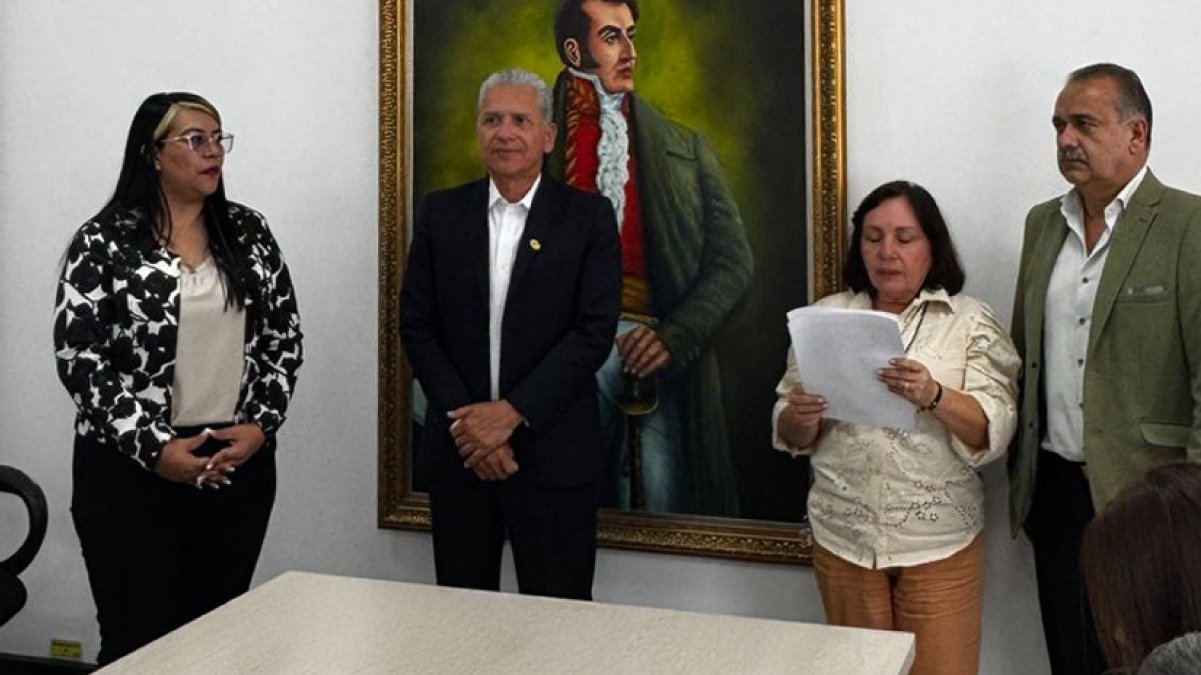
The Chía and Zipaquirá campuses are entering a new phase with the arrival of Gloria Isabel García Ballén as director. An educator with extensive academic and administrative experience, she takes on the challenge of consolidating educational processes, strengthening ties with the local community, and continuing the implementation of the Transmodern Digital Educational Model (MEDIT). In an interview with the UCundinamarca News Agency, the director shares her background, expectations, and the challenges she faces leading this campus.
UCundinamarca News Agency (AN): Dr. Gloria, could you tell us about your professional profile and career path?
Gloria Isabel García Ballén (GIGB): I am an educator with a degree in Information Technology, a master's degree in Educational Informatics, and I am currently a doctoral candidate in Education. I have developed my professional career in the educational and administrative fields, participating in research and academic management projects, always with the aim of contributing this knowledge to institutional strengthening.
AN: What are the main goals you have set for the Chía Extension?
GIGB: One of the central goals is to strengthen the University's connection with the local community. This involves working collaboratively with the coordinators, students, and all members of the educational community, fostering teamwork and enhancing the University's positive impact on the region.
AN: What are your expectations regarding the work that has been carried out in extension?
GIGB: My main goal is to gain a deeper understanding of the processes already underway at the Chía Extension and to continue strengthening that work through the Transmodern Digital Educational Model (MEDIT). Our mission is to develop transhuman, free, and responsible citizens through education, research, and social interaction, contributing to social transformation, the sustainable development of the region, and the construction of a democratic and inclusive society.
AN: What do you consider to be the main challenges in this new stage of management?
GIGB: The first challenge is to respond to the needs and expectations of the territory and the community of Chía, Cundinamarca. We seek to continue growing as a university, strengthen research with territorial impact, and contribute solutions to local challenges, continuing a process that has been developing for several years at this campus.
With a vision focused on the territory, collaborative work and the consolidation of MEDIT, the arrival of Gloria Isabel García Ballén to the direction of the Chía Extension ratifies the commitment of the University of Cundinamarca to a relevant, transformative education connected with the social realities of the region.
Listen to our Podcast:
News
News
News
News