News
2026-09-24
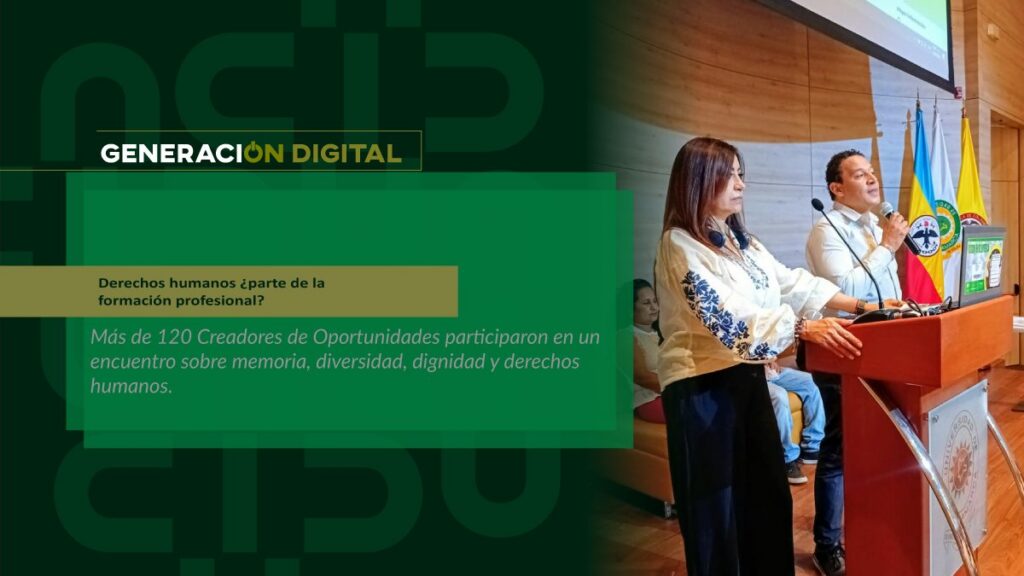
Human rights: part of professional training?
By: Alejandro García Suárez – Advisory Office of Communications



I am your virtual assistant, here to help you quickly and easily.
▲ Back to Top
By: Alejandro García Suárez – Advisory Office for Communications.
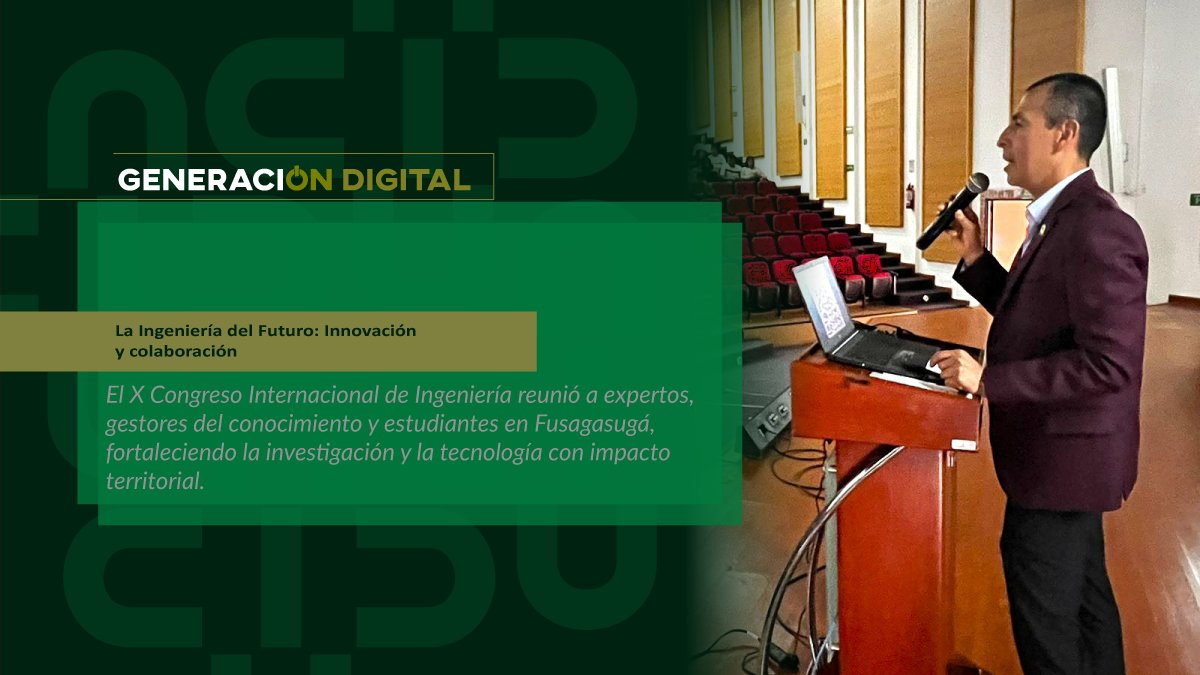
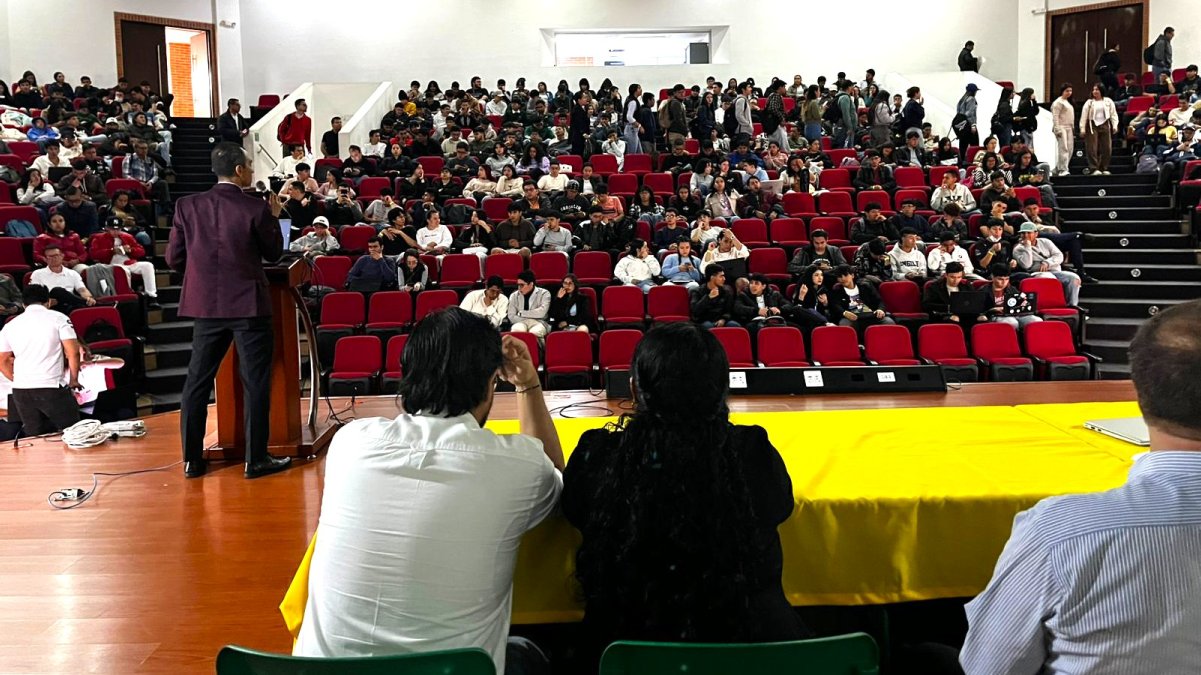
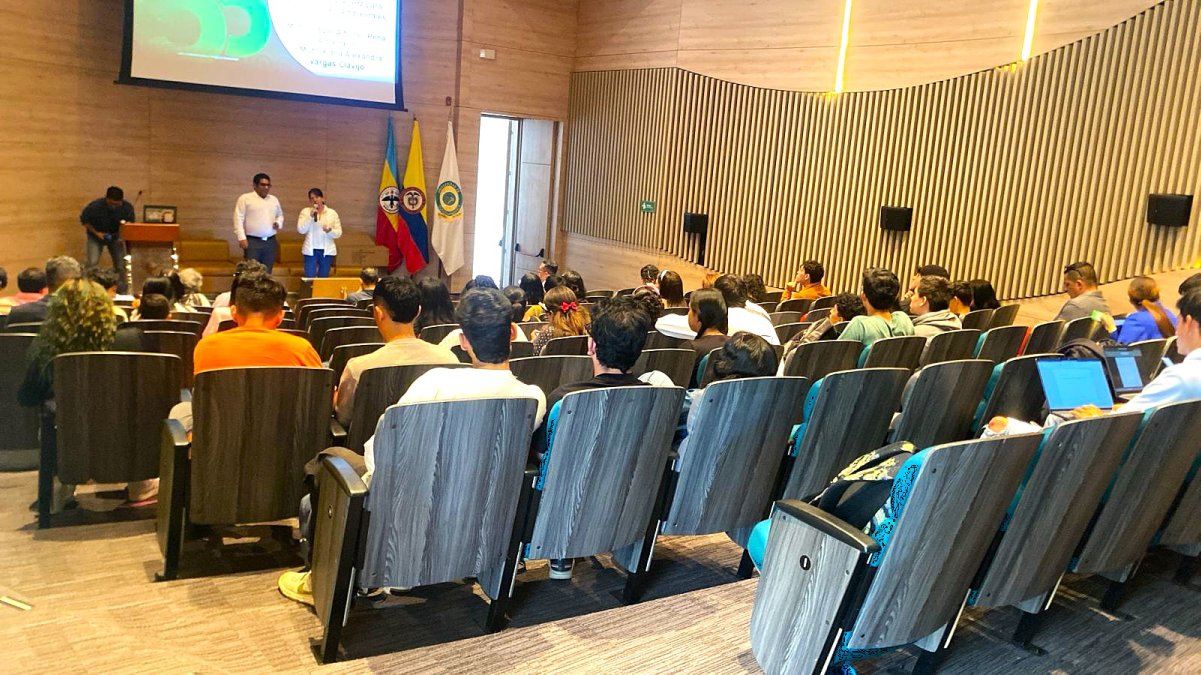
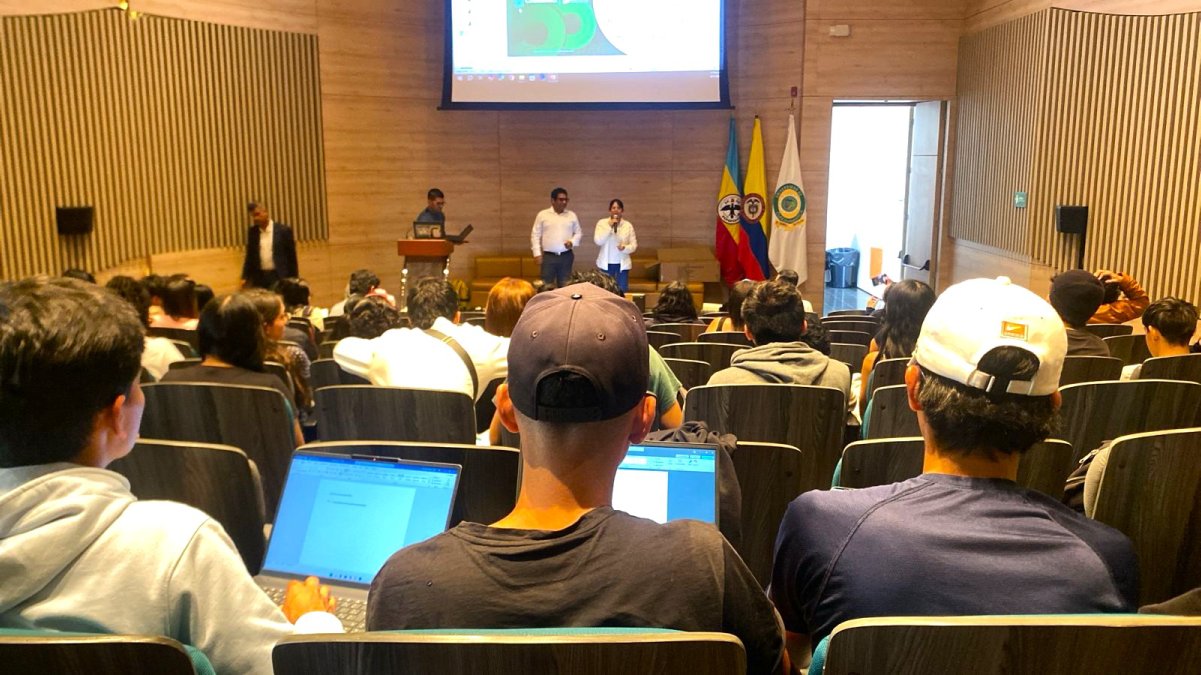
The Fusagasugá campus was the epicenter of knowledge and innovation with the closing of the X International Engineering Congress, an event that consolidated the institution's academic leadership in research and technological development.
During the day, national and international experts, academics and students from different regional units met to share advances, experiences and solutions to current engineering challenges.
The Dean of the Faculty of Engineering, engineer Javier Gracia Gil, highlighted that the thematic axes of the congress addressed topics of great relevance such as nanotechnology, renewable energies and Artificial Intelligence, showing the transformative potential of engineering when combined with research and institutional cooperation.
“One of the main achievements,” explained Gracia Gil, “is to demonstrate how the University, in collaboration with national and international institutions such as the Monterrey Institute of Technology (Mexico), has developed projects that provide solutions to real problems in the region, from nanoengineering to the optimization of the cold chain.”
The dean also emphasized that the great challenge of modern engineering is responding to global needs. “That’s why, at this congress, we are focusing on emerging technologies such as neural networks, cloud security, and artificial intelligence—areas where Latin America still has much to learn,” he pointed out.
For his part, Gustavo Lanza, Knowledge and Learning Manager and coordinator of Basic Sciences at the Faculty of Engineering, presented a paper on the use of nanotechnology to monitor the cold chain, highlighting the development of time and temperature indicators (TTI) that allow for guaranteeing quality and safety in regional logistics processes.
Lanza also emphasized the importance of coordinated work between academia, industry, and territorial entities as a key strategy to strengthen innovation and technology transfer with a sustainable approach.
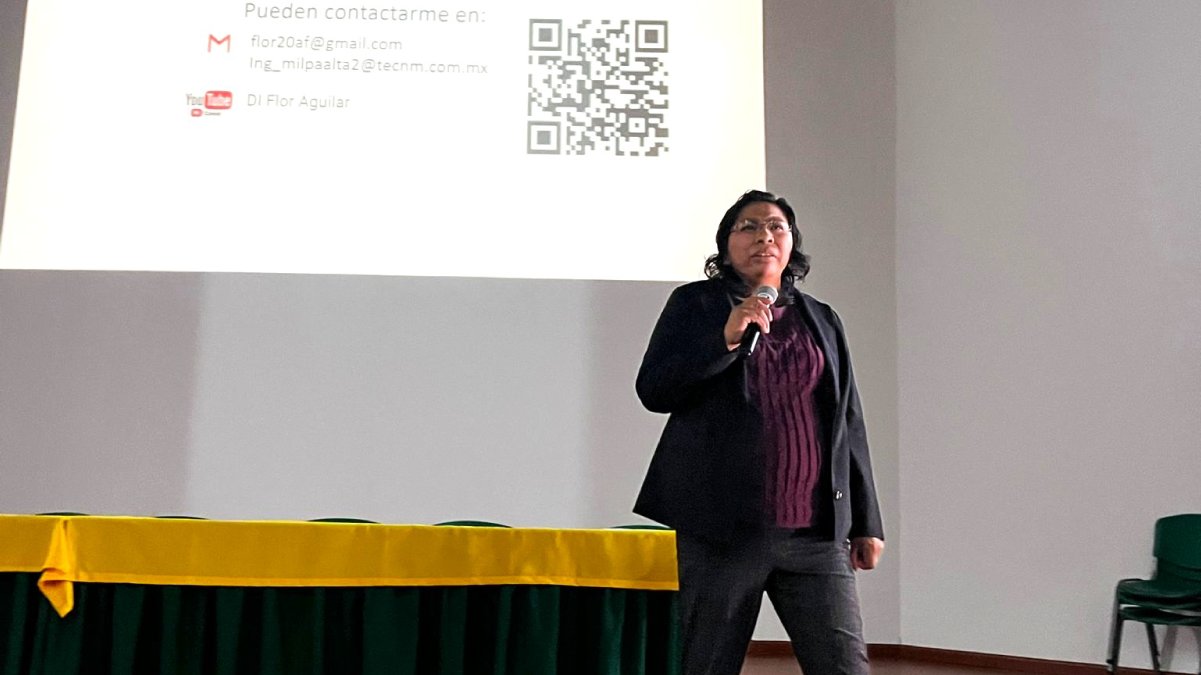
Representing the international community, Professor Flor de María Aguilar Flores from the Technological Institute of Mexico presented the project “Peace and Love”, a joint initiative with UCundinamarca focused on agroecological sustainability and knowledge transfer between Mexico and Colombia.
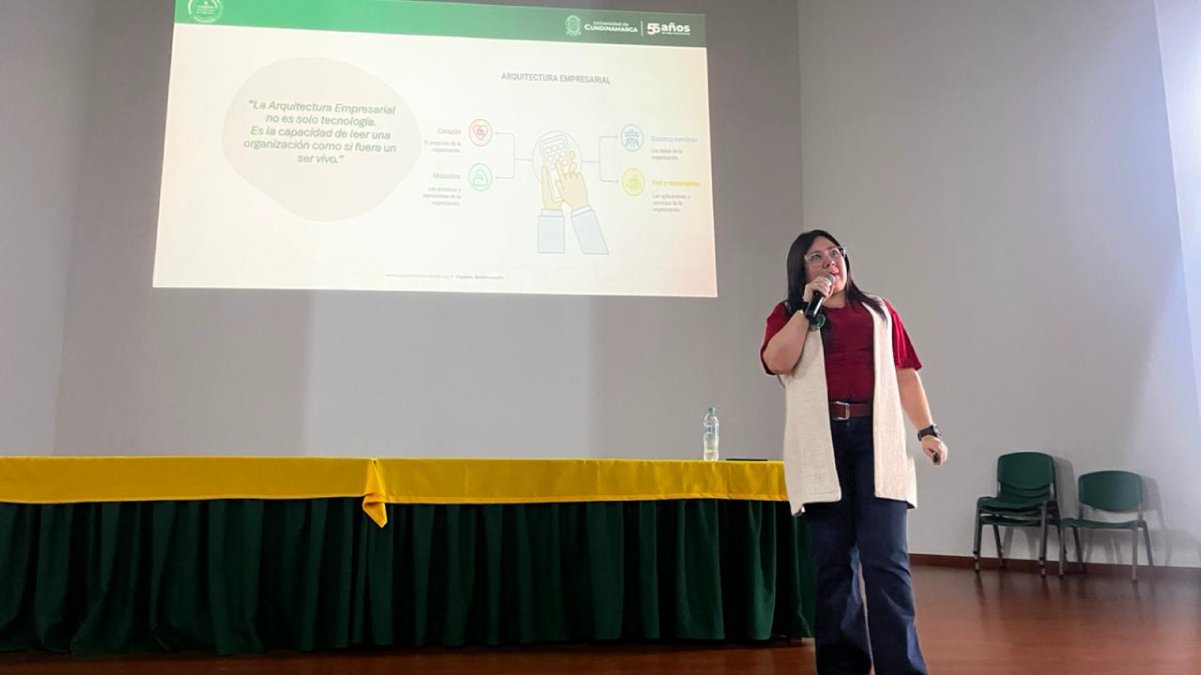
Likewise, Knowledge Manager Diana Karina López Carreño, from the Soacha extension, shared the progress of a sustainable mobility project developed in cooperation with Mexico, which seeks to optimize the management of vehicle fleets and improve the safety of public transport in territories with similar characteristics.
The first day of the congress culminated in a joint reflection on the future of engineering: collaborative, sustainable, and deeply linked to territorial development. With these experiences, the University of Cundinamarca reaffirms its commitment to academic excellence and the training of engineers who will transform the region through science, technology, and innovation.
News
News
News
News