News
2026-09-24
Human rights: part of professional training?
By: Alejandro García Suárez – Advisory Office of Communications


I am your virtual assistant, here to help you quickly and easily.
▲ Back to Top
By: Alejandro García Suárez – Advisory Office of Communications
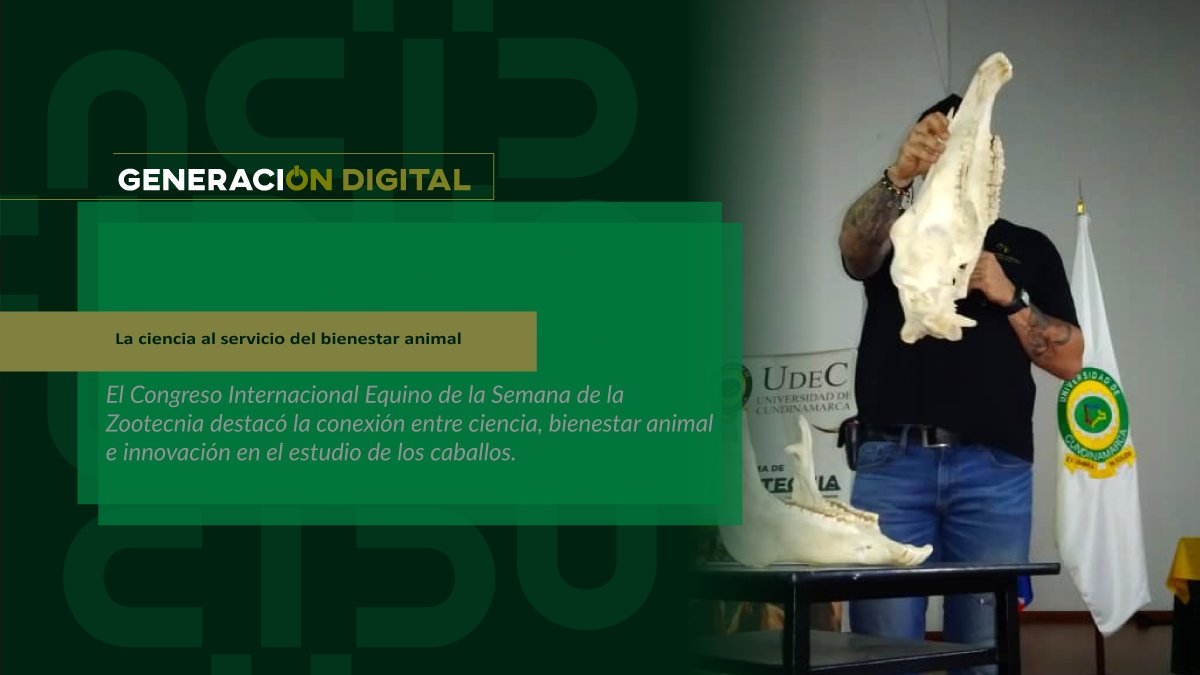
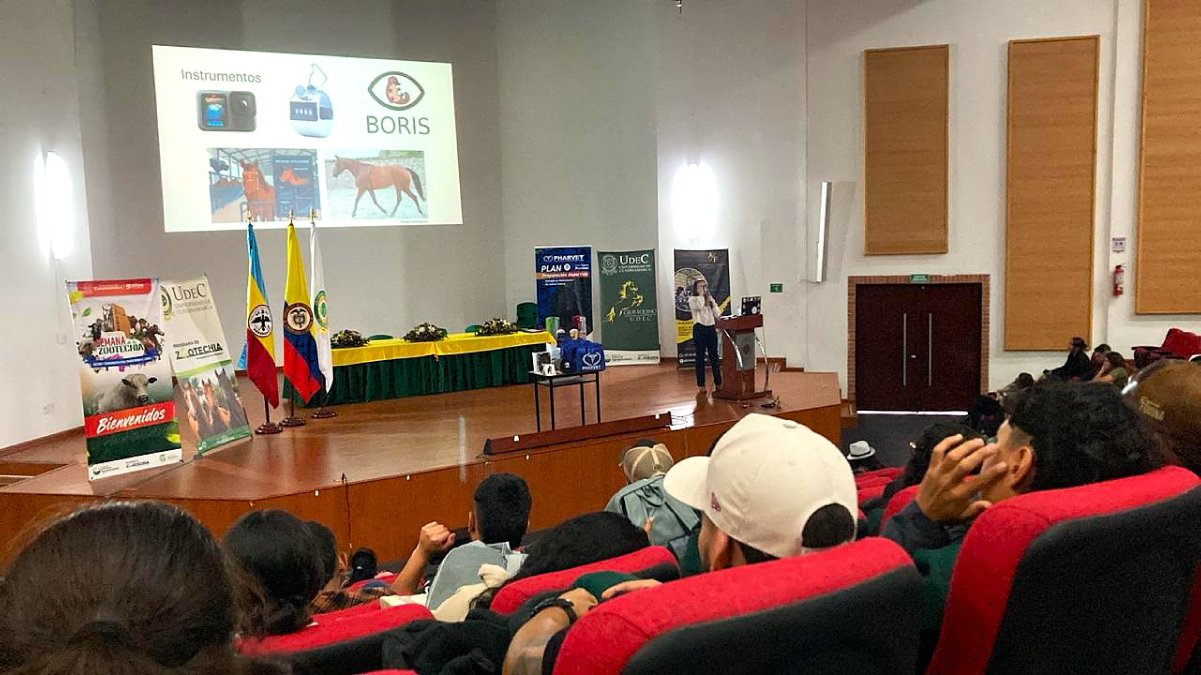
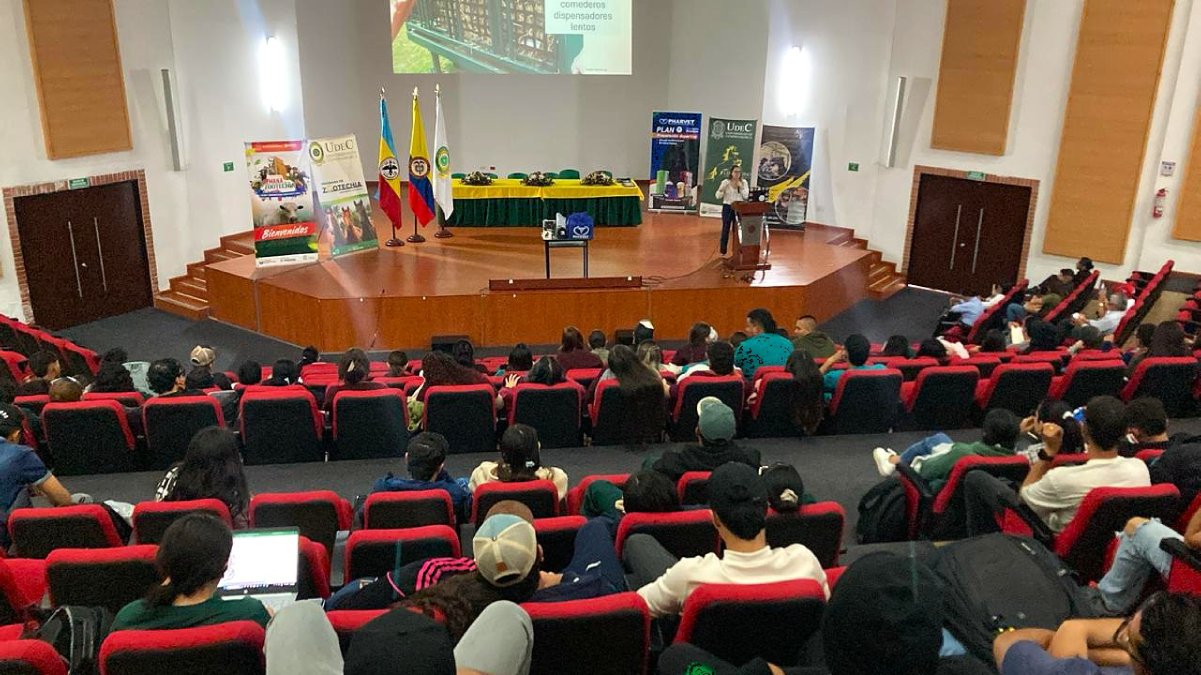
The International Equine Congress It brought together national and international experts who shared their research and experiences on equine welfare, nutrition, behavior and health, strengthening scientific knowledge in the agricultural sector.
The agenda included conferences such as The hidden language of horses: analyzing behavior from a scientific perspective, led by Ana Margarita Arias Esquivel, an agricultural engineer specializing in animal husbandry and a professor at the University of Florida and the University of Costa Rica; Equine nutrition with purpose: more than feeding, it's caring, by Angee Stephany González Cuéllar, and Basic principles of preparation and supplementation in sport horses, presented by Jenny Marcela Parra Contreras, technical director of the PHARVET equine line.
Practical presentations were also developed, such as Importance of equine dentistry y Prevention and basic management of equine colic, guided by the veterinarians Andrés Ricardo Forero Ramírez and Carlos Andrés García Delgado, respectively.
During her presentation, Ana Margarita Arias Esquivel, an international speaker, explained that her doctoral research at the University of Florida focuses on the behavior and well-being of antivenom-producing horses, applying technological tools such as Artificial Intelligence, cortisol measurements, and blood tests to monitor their health and reduce stress levels.
“We are incorporating science into the service of animal welfare. Understanding how horses behave and how they respond to their environment allows us to create more ethical, efficient, and sustainable systems,” the researcher stated.
For his part, Diego Esteban Pico Abril, a ninth-semester student in the Animal Science program, described the congress as a rewarding experience. “It was very important to have addressed topics we've learned throughout our studies,” he stated. The event allowed students to consolidate key knowledge such as animal welfare and ethology (or equine behavior), as well as delve deeper into equine nutrition and supplementation, thanks to the participation of companies in the Colombian agricultural sector. The student highlighted the relevance of equine dentistry, considering it a “turning point” in equine health, and the culmination of the congress with the analysis of a vital topic: equine colic, studied from the perspective of eating and nutritional disorders.
The International Equine Congress reaffirms the commitment of the Faculty of Agricultural Sciences of the University of Cundinamarca to the training of professionals who integrate science, innovation and ethics in animal production.
In this way, the 2025 Zootechnics Week continues to consolidate itself as an academic and scientific benchmark that promotes knowledge, sustainability and animal welfare in Colombia.
News
News
News
News