Fusagasugá Branch
2026-09-24
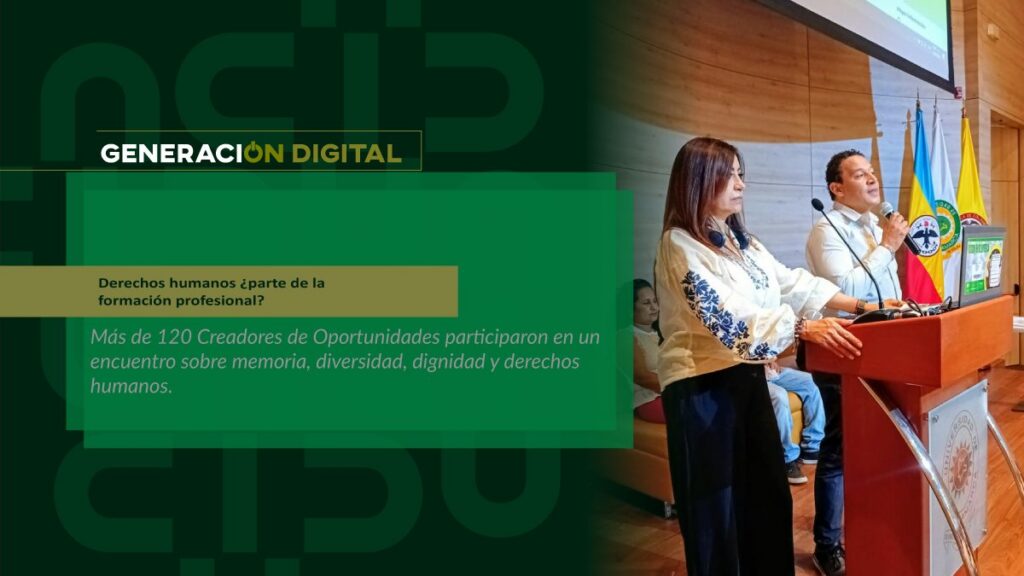
Human rights: part of professional training?
By: Alejandro García Suárez – Advisory Office of Communications


I am your virtual assistant, here to help you quickly and easily.
▲ Back to Top
By: Alejandro García Suárez – Advisory Office of Communications
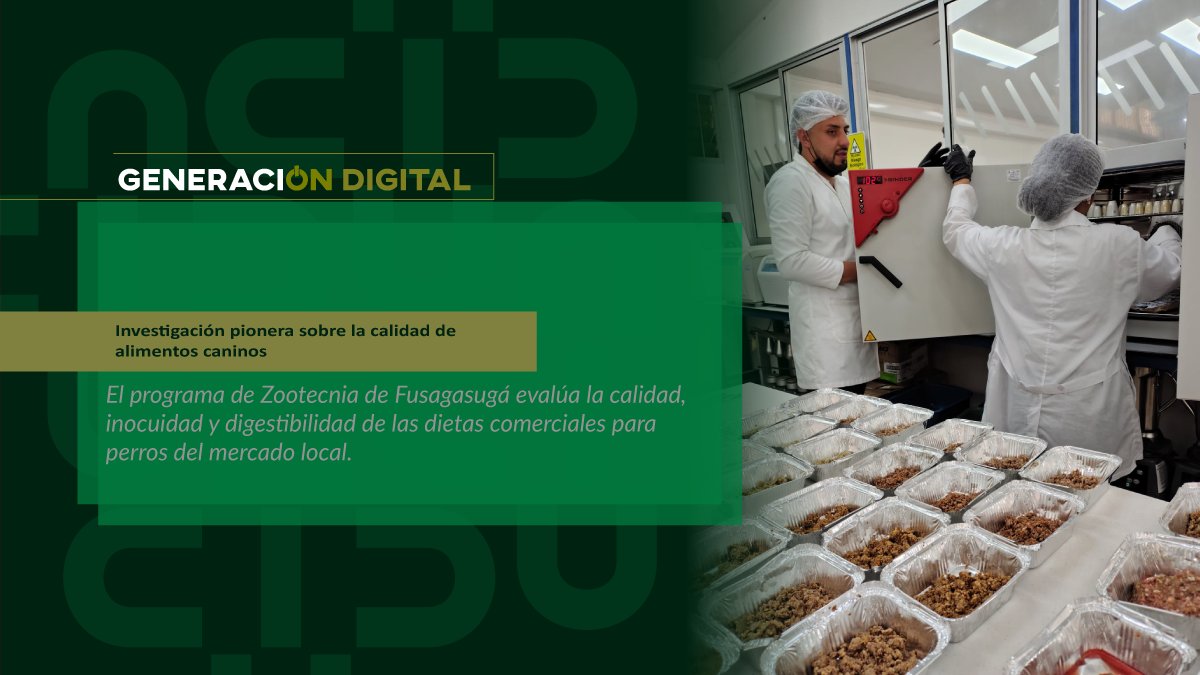
Dog food in Fusagasugá faces significant challenges in terms of quality, safety, and nutritional value. For this reason, the Animal Science program at the University of Cundinamarca, Fusagasugá campus, is conducting pioneering research to evaluate the digestibility, microbiological quality, and physicochemical properties of commercially available dog food.
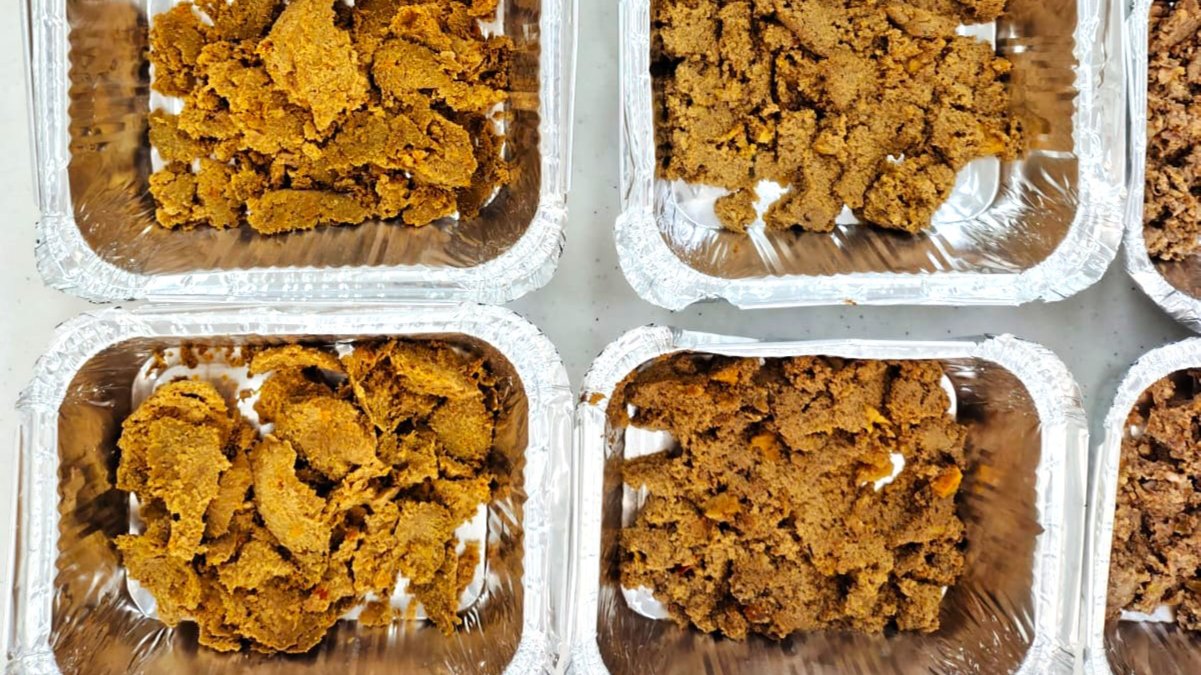
Ana María Colonia Pineda, Knowledge and Learning Manager for the Animal Science program in Fusagasugá, leads this project, which has already yielded important findings. Semi-processed diets, perceived by the parents as more “natural,” present a greater microbiological risk, with the detection of Salmonella spp., E. coli, coliforms, molds, and yeasts.
“These findings imply a significant health and zoonotic risk that must be addressed urgently,” the researcher noted, emphasizing that the health of pets and their owners may be compromised.
Inconsistencies in ultra-processed products
Yandy Johanna Aguillón Páez, Knowledge and Learning Manager, explained that ultra-processed diets, despite being subject to stricter industrial controls, often present inconsistencies between the information declared on labels and their actual composition. This situation, she noted, can affect the digestibility and bioavailability of nutrients, influenced by factors such as the quality of raw materials, manufacturing processes, and chemical reactions like the Maillard reaction.
The study reveals that both types of diets require greater regulatory oversight, independent studies, and technical guidelines to ensure safe, traceable, and nutritionally adequate products. The research's overall objective is to "evaluate ultra-processed and semi-processed commercial dog diets through in vitro digestibility, microbiological quality, and physicochemical analysis in the municipality of Fusagasugá, Cundinamarca.".
The project develops three specific lines of work: determining the in vitro gastrointestinal digestibility in the nutrition laboratory of UCundinamarca, characterizing the physicochemical and microbiological quality in the institutional laboratories, and producing scientific information for mass dissemination on the proper and safe use of these diets.
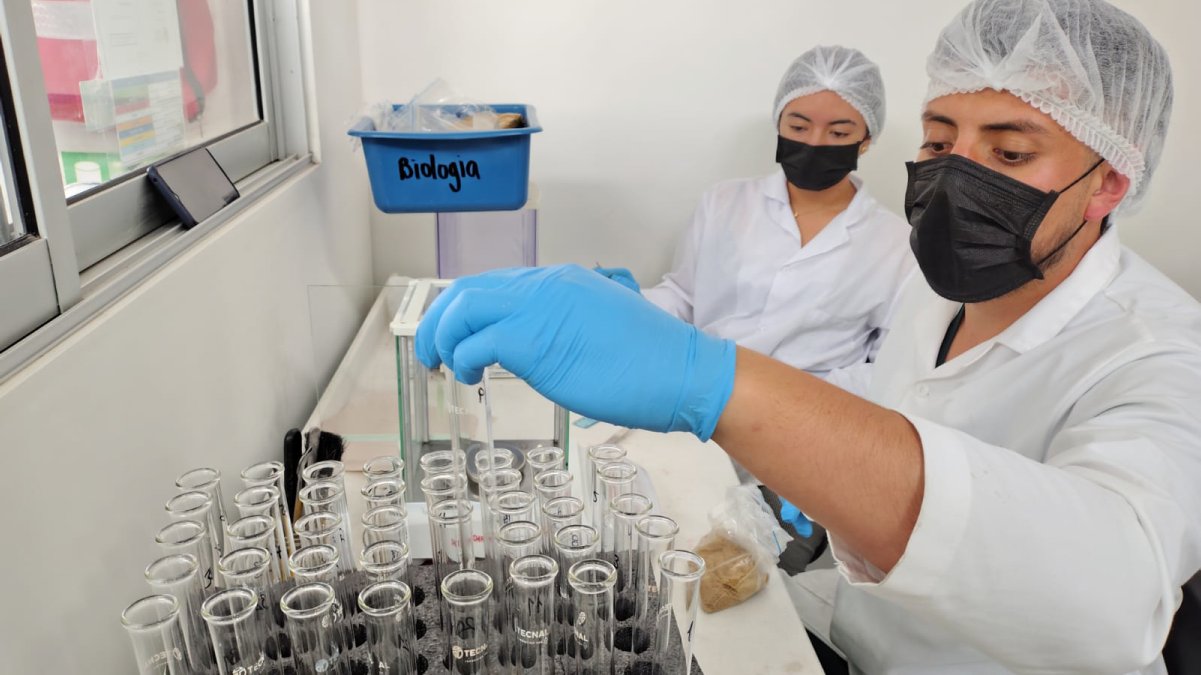
The analyses are performed in specialized laboratories at the University of Cundinamarca, using in vitro digestibility techniques that simulate the canine digestive process. This methodology allows for the precise evaluation of the food's ability to release nutrients available to the body.
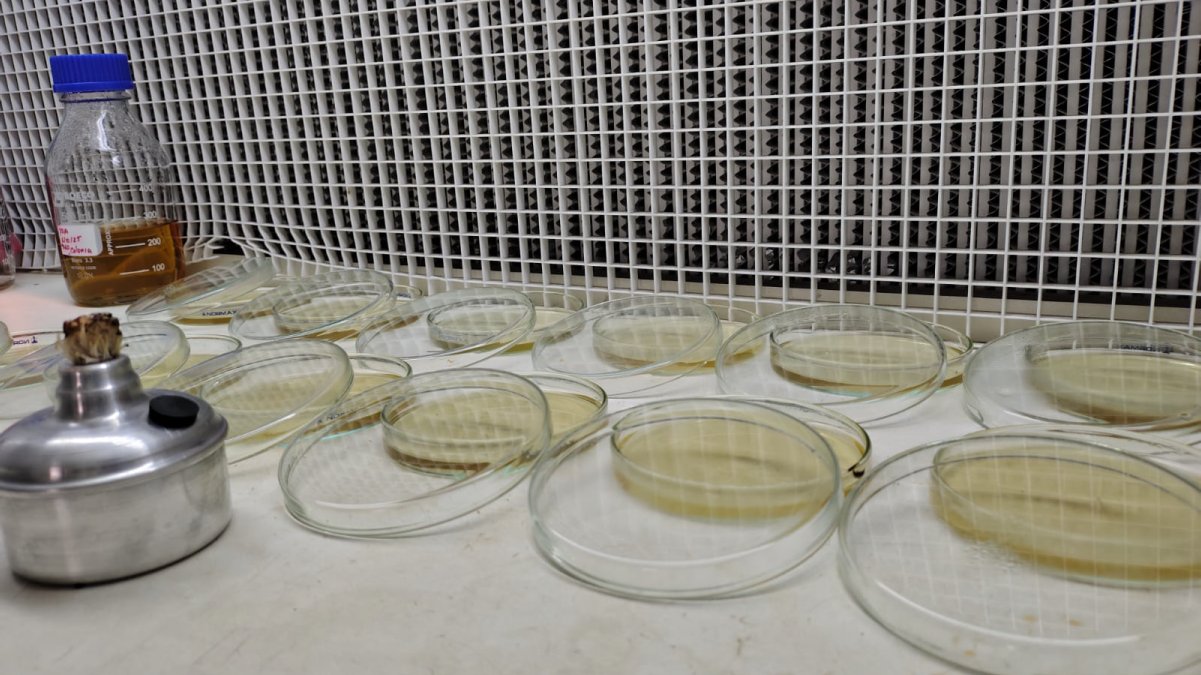
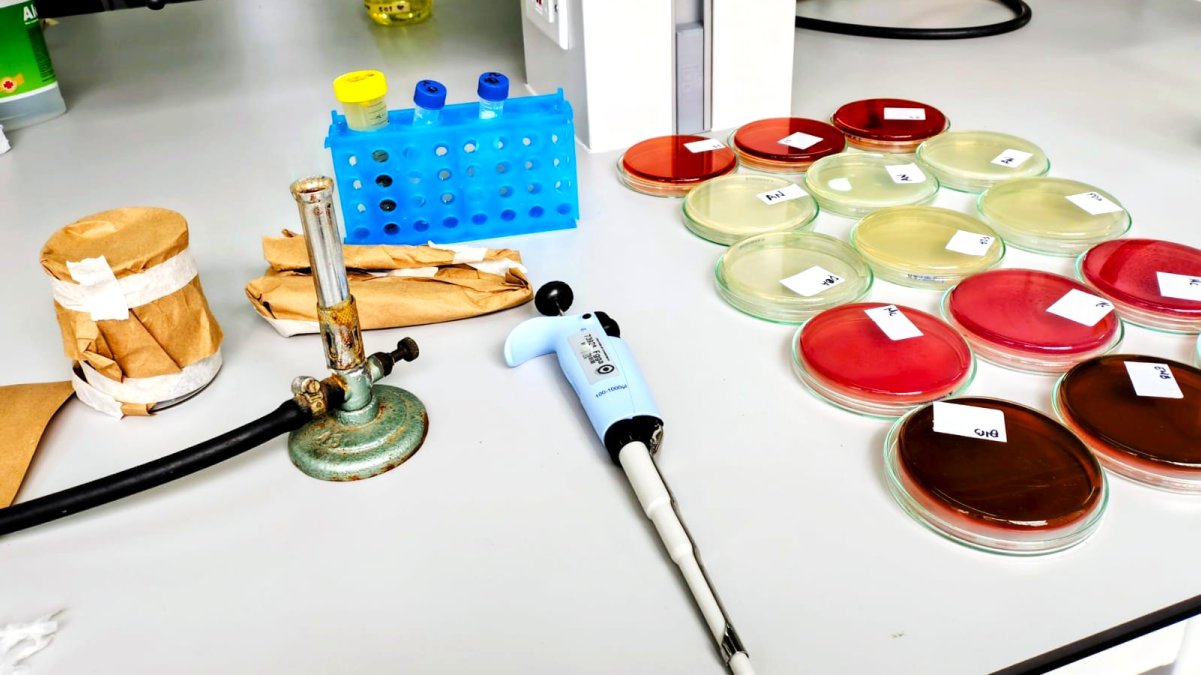
Microbiological studies identify pathogens and contaminants, while physicochemical tests verify the declared composition versus the actual composition of commercial products.
This research aims to protect the health and well-being of dogs while reducing risks to their owners. The project aligns with the Sustainable Development Goals related to food security and public health, recognizing that animal nutrition directly impacts human-animal coexistence.
“We need to generate independent scientific information that allows pet owners to make informed decisions about their pets” diets,” emphasized Colonia Pineda.
Estefanía Vasco Hortúa, a seventh-semester Animal Science student and member of the project, emphasized that this experience has been significant in her academic training. “It has allowed me to integrate the theoretical knowledge acquired during my studies with scientific practice in the laboratory, giving me a more realistic understanding of the relationship between nutrition, food quality, and animal health. Furthermore, it has helped me recognize that animal science is not limited to cattle, horses, pigs, or poultry, but encompasses other species that also deserve our attention and to which we can apply our knowledge,” the student stated.
A key component of the project is the production of accessible scientific information through digital tools and widespread dissemination. The results will be communicated through practical guides, infographics, and educational content that advise pet owners on the appropriate selection of pet food. This strategy democratizes scientific knowledge and empowers the community to demand higher-quality products on the market.
This project demonstrates the University of Cundinamarca's commitment to applied research that addresses real-world problems in the region. The Faculty of Agricultural Sciences is strengthening its research in animal nutrition, generating relevant knowledge that positively impacts the quality of life of pets and their families in Fusagasugá and the surrounding area.
Listen to our Podcast:
News
News
News
News