News
2026-09-24
Human rights: part of professional training?
By: Alejandro García Suárez – Advisory Office of Communications



I am your virtual assistant, here to help you quickly and easily.
▲ Back to Top
By: Alejandro García Suárez – Advisory Office of Communications
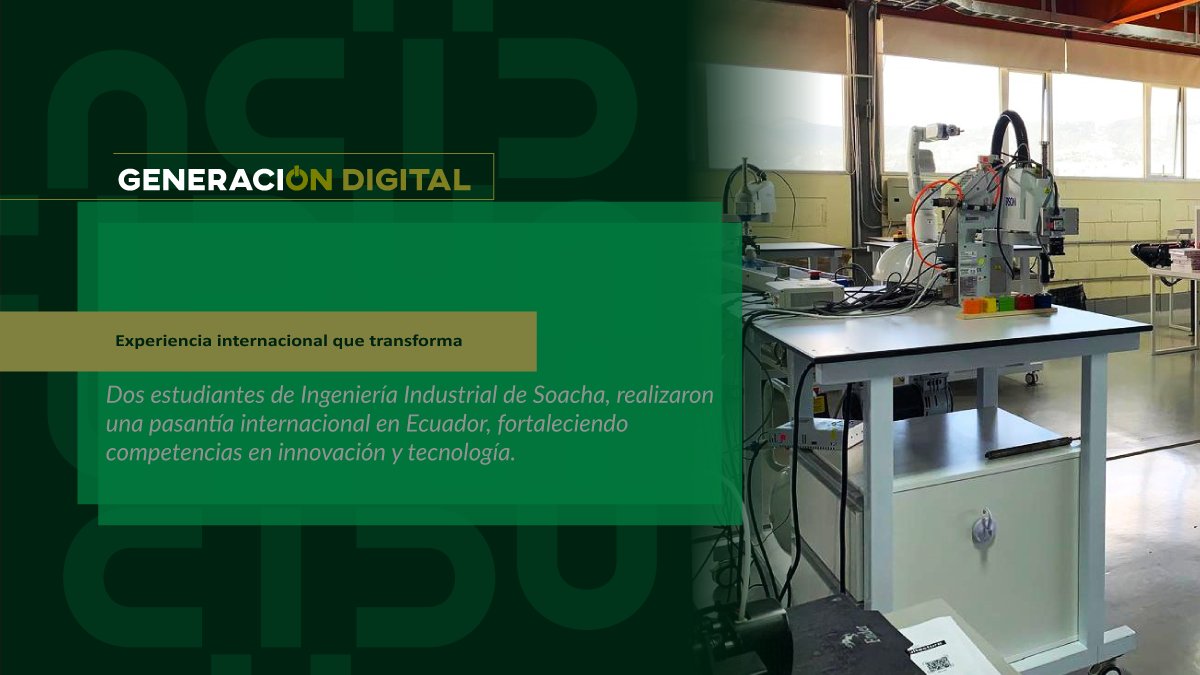
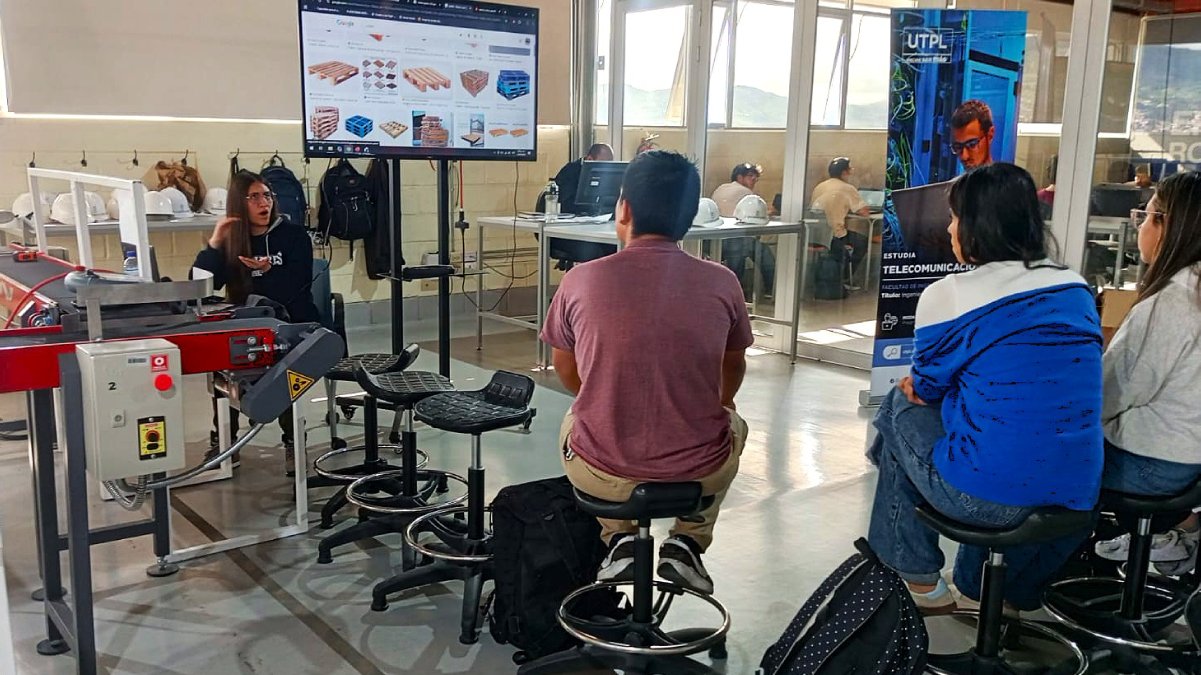
Globally minded training continues to open doors for the Opportunity Creators of the University of Cundinamarca. Lina María Segura Leiva and Jonnatan Sneyder Fonseca Celis, students in the Industrial Engineering program at the Soacha campus, completed an international internship at the Universidad Técnica Particular de Loja (UTPL) in Ecuador, where they participated in high-impact projects related to ergonomics, renewable energy, automation, industrial robotics, and artificial intelligence.
This academic experience allowed them to strengthen their professional, research, and technological skills in an international environment, applying knowledge acquired during their studies and broadening their understanding of the challenges and opportunities that engineering currently faces in global contexts. According to Jimmy Méndez Molano, Knowledge and Learning Manager and internship coordinator, this international exchange, carried out within the framework of Casa Cundinamarca's guidelines, represented an opportunity for students to have a comprehensive learning experience, exchange knowledge, and develop skills geared toward innovation.
During their stay in Ecuador, the Opportunity Creators participated in four strategic projects. In the area of ergonomics, they supported risk analysis processes using technological tools and artificial intelligence, contributing to the generation of information for future research. In renewable energy, they delved into the design and sizing of photovoltaic systems, strengthening their knowledge of sustainability and the energy transition.
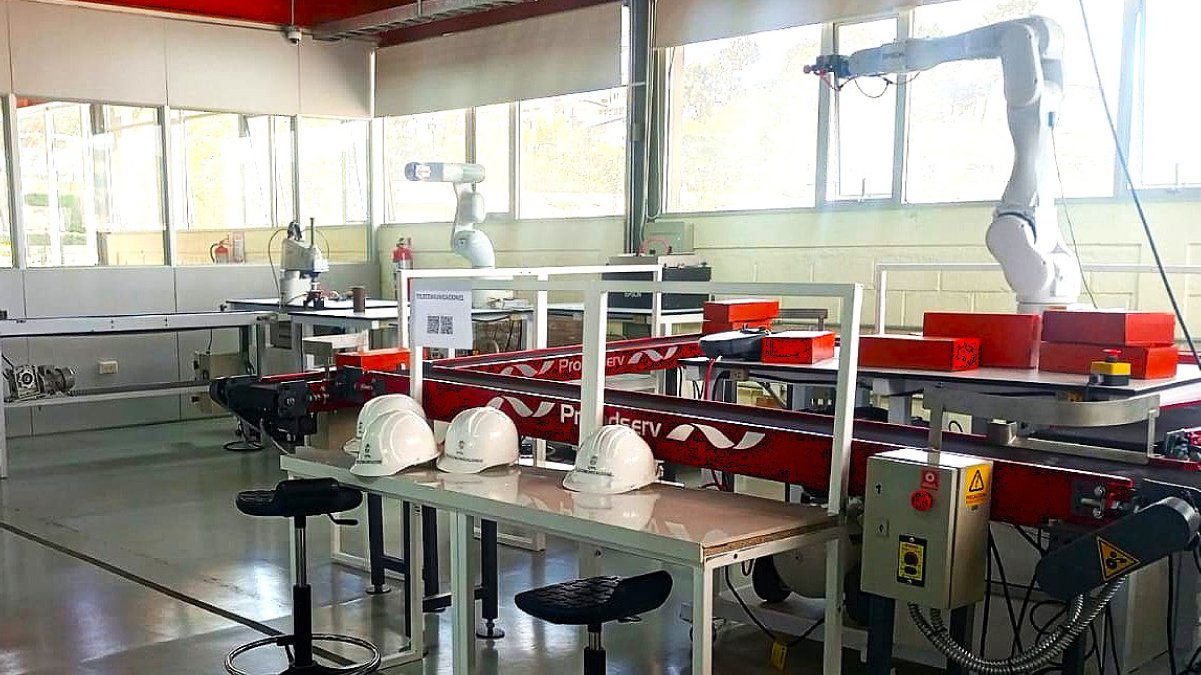
They also conducted technical research on an industrial dosing system located in the Production Laboratory, identifying opportunities for improvement and potential automation processes. Their experience was complemented by a solid foundation in industrial robotics, where they received training in programming, simulation, and safe robot operation, in addition to participating in academic programs for students and interns at the host institution.
For Jonnatan Fonseca Célis, this experience allowed him to understand how new technologies can provide innovative solutions in different industrial contexts, while Lina María Segura Leiva highlighted the opportunity to participate in the construction of technical documentation, operating protocols, educational materials and training resources supported by artificial intelligence.
In addition to strengthening their technical knowledge, the students contributed to the development of the UTPL Industrial Robotics Laboratory, supporting the creation of manuals, safety forms, operating protocols, and training materials that will facilitate future academic processes. This international experience reflects the University of Cundinamarca's commitment to training professionals capable of interacting in global settings, exchanging knowledge, and contributing innovative solutions to contemporary challenges.
In accordance with the Transmodern Digital Educational Model (MEDIT), these mobilities strengthen the international dimension of learning, promote the dialogue of knowledge between territories and consolidate the training of citizens for life, with the capacity to transform local and global realities through knowledge, technology and collaborative action.
News
News
News
News