Fusagasugá Branch
2026-09-24
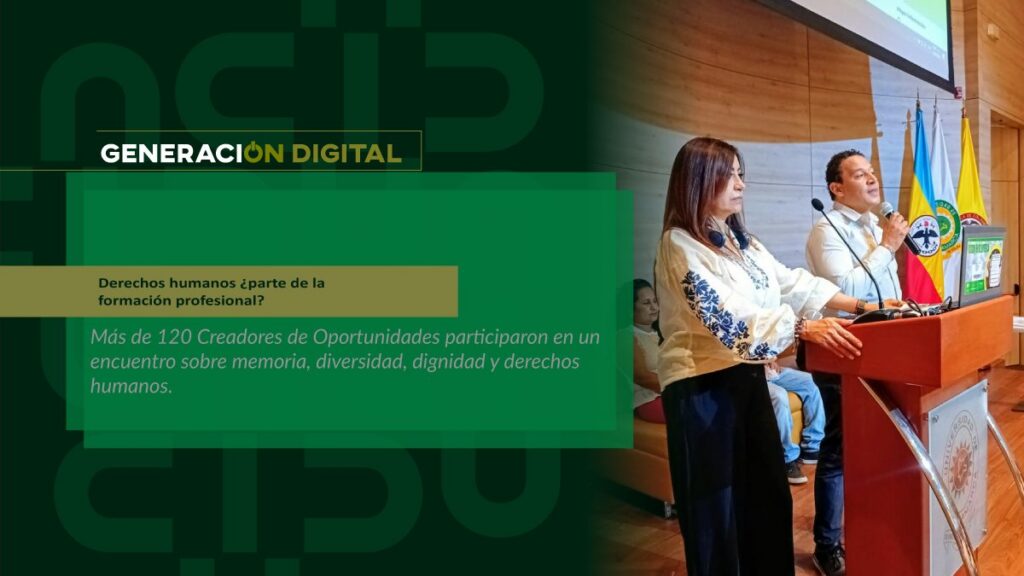
Human rights: part of professional training?
By: Alejandro García Suárez – Advisory Office of Communications


I am your virtual assistant, here to help you quickly and easily.
▲ Back to Top
By: Alejandro García Suárez – Advisory Office for Communications.
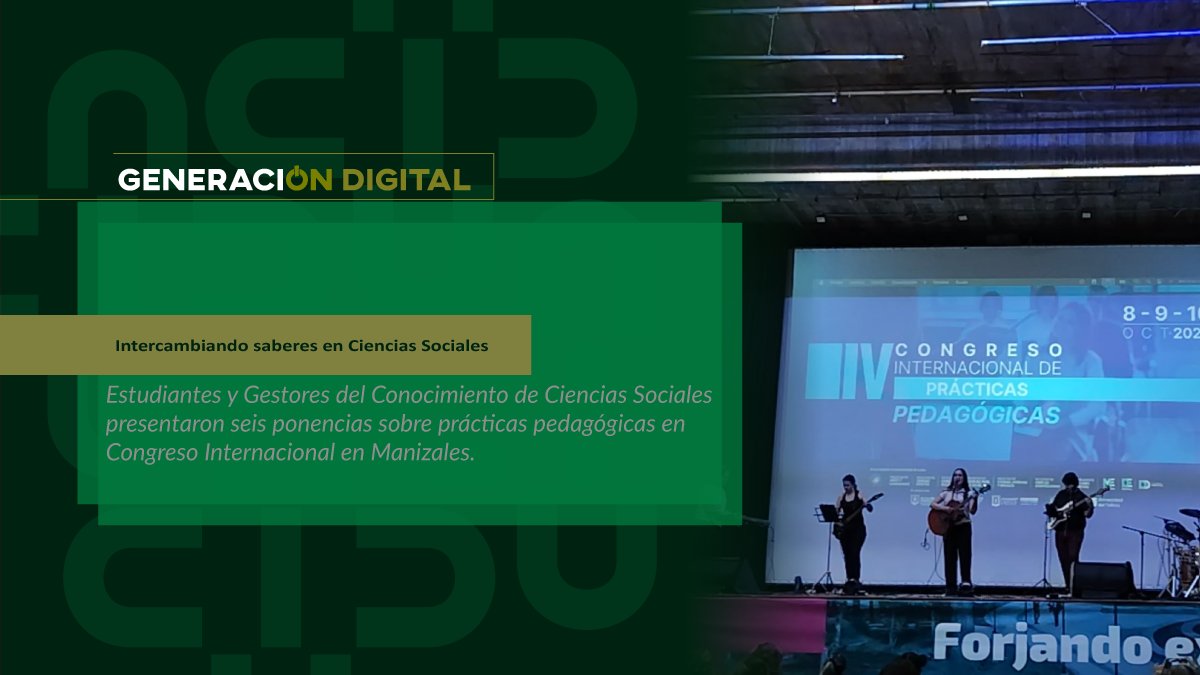
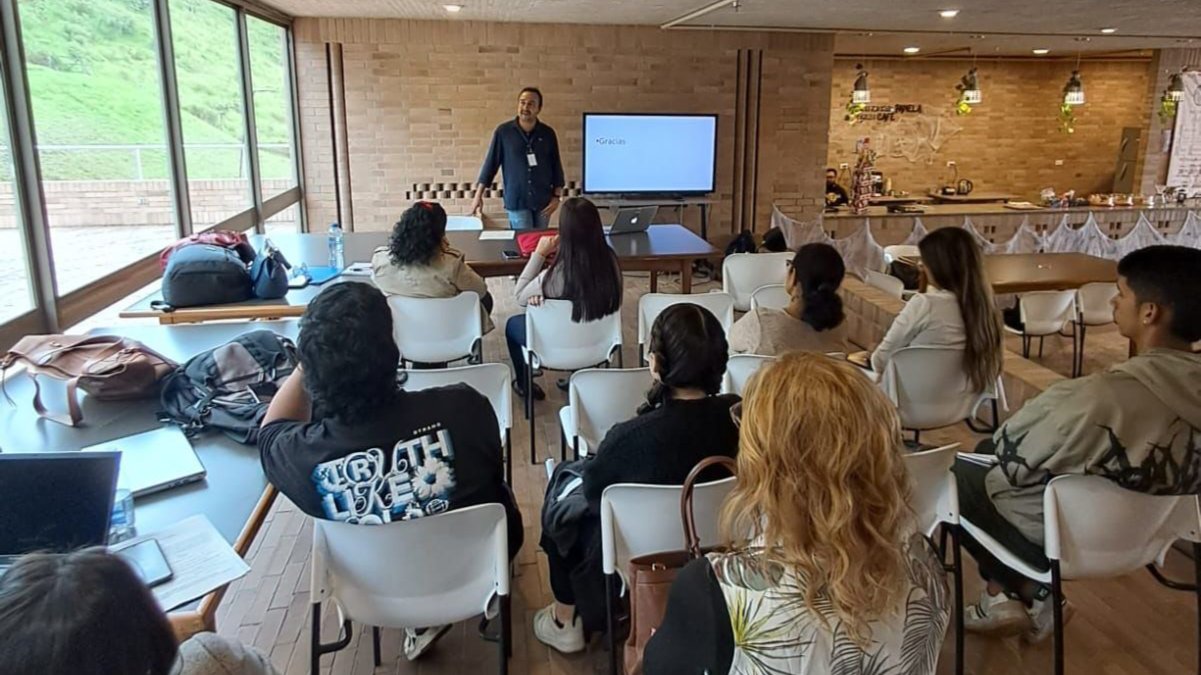
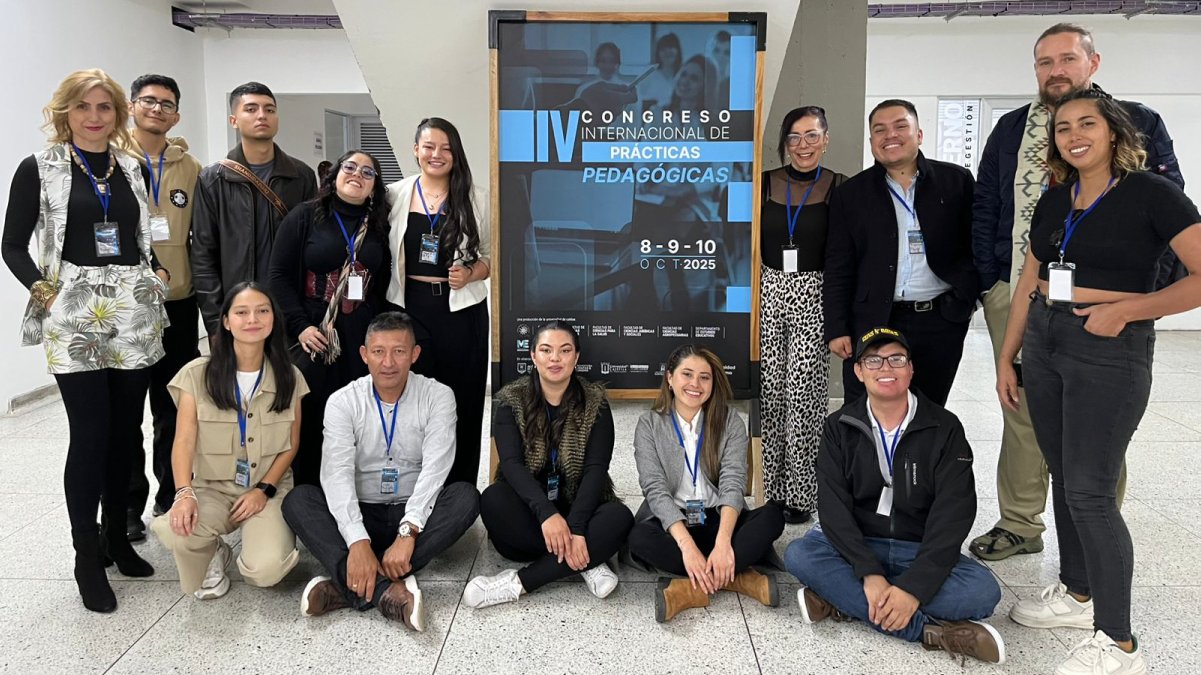
The Bachelor of Social Sciences program in Fusagasugá represented the University of Cundinamarca at the IV International Congress of Pedagogical Practices held at the University of Caldas in Manizales, from October 8 to 10, 2025. This experience brought together Knowledge Managers, researchers, students and professionals interested in contemporary pedagogical practices.
Zandra Maritza Tarazona Carrascal, program coordinator for internships, explained that “students and Knowledge and Learning Managers participated in four sessions with six presentations showcasing the academic, educational, and research processes planned and implemented at our regional university.”.
The coordinator highlighted that the congress allowed students to "enjoy an academic and cultural space for dialogue, reflection and the exchange of experiences regarding pedagogical practice in local and international contexts.".
Natalia Rodríguez Vergara, a participating student, valued the experience as “very valuable, as it significantly contributed to my training process. I had the opportunity to meet and listen to teachers, students, and speakers from different places, which allowed me to understand how pedagogical practices are developed in different contexts and countries.”.
The student reflected that “the educational process is not limited solely to the traditional classroom. Education can also arise from multiple scenarios, each with its own dynamics, populations, and realities.”.
Rodríguez Vergara added that during the congress, “we acquired knowledge through conferences and presentations that profoundly enriched my academic training. These experiences contribute significantly to the training of students, always considering their contexts and experiences.”.
“It was a transformative experience that inspired me as an undergraduate student to think, build, and propose projects that could be presented in academic spaces like this International Congress in the future,” he concluded.
Paula Andrea Gallo Rojas, a participating student, explained that “for my training process it was very enriching, because I was able to share points of view regarding my vision for education with people with extensive experience in this field.”.
The student highlighted that the congress “allowed me to see new modalities and how research on educational practices is currently taking place, how the processes are being carried out in other universities and how these are modified to their contexts.”.
The congress facilitated dialogue among different educational institutions on innovative methodologies, challenges in diverse contexts, and successful strategies in teacher training. Participants from UCundinamarca shared their local experiences while learning from international practices. This interaction enriches teacher training by exposing future graduates to multiple perspectives on contemporary education.
This participation is part of UCundinamarca's Transmodern Digital Educational Model (MEDIT), which promotes learning experiences that extend beyond the traditional classroom. MEDIT encourages student participation in national and international academic spaces where they can engage in dialogue, reflect, and co-create knowledge with peers from other institutions.
Attendance at this congress exemplifies how MEDIT facilitates the construction of a broad and critical vision of education, essential for training graduates committed to pedagogical innovation and social transformation.
Listen to our Podcast:
News
News
News
News