News
2026-09-24
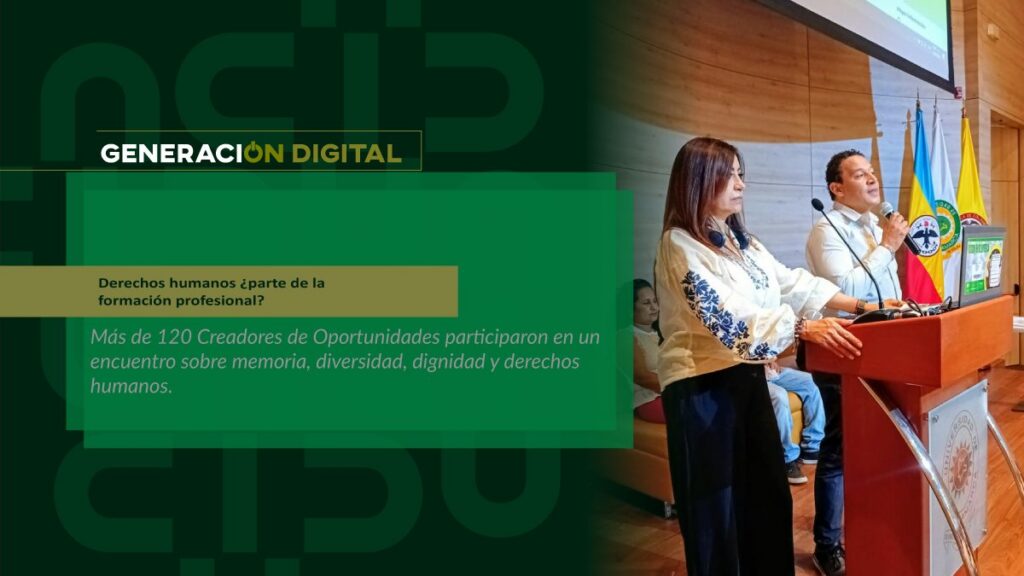
Human rights: part of professional training?
By: Alejandro García Suárez – Advisory Office of Communications



I am your virtual assistant, here to help you quickly and easily.
▲ Back to Top
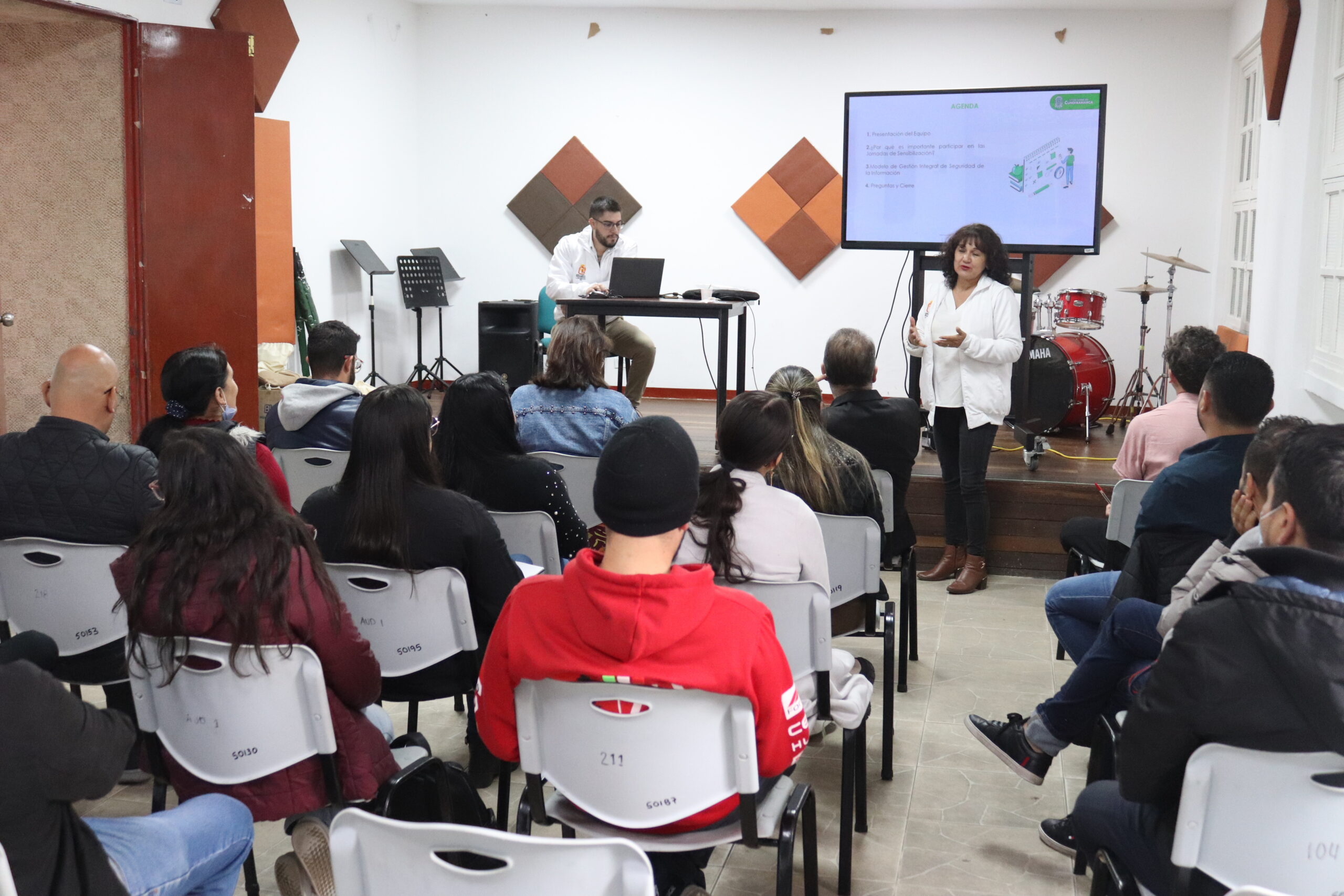
Between October 5th and 6th, the University of Cundinamarca hosted the Second UCundinamarca Digital Meeting, which brought together more than 400 students from different Engineering programs with different types of disabilities, who presented amazing low-cost technological innovations for people in similar conditions.
These initiatives are complemented by those of engineering professionals from various cities across the country who have also used innovation and creativity to develop tools for this type of population, and who have won national and international awards.
This meeting is part of Translocalidad's master plan, which aims to ensure that local research has national and international reach. Its objective is to demonstrate that technology with a human touch can contribute to an inclusive world without discrimination.
These are designs made with household tools or low-cost applications.
“This learning environment allows us to share knowledge that isn't limited to the classroom but also involves the joint participation of the community and research. We all learn every day, but we must also focus on developing ourselves as individuals and fostering inclusion in others,” stated Wilson Joven Sarria, Dean of the Faculty of Engineering at the University of Cundinamarca.
The exhibitors
Two of the most significant exhibitors are a young Social Communicator with a visual impairment and a child with Down Syndrome from a foundation where volunteers from the engineering faculty's research group in Fusagasur came to work with him on technological innovation programs.
Norbey Alirio Salazar, a communications specialist from the Cooperative University of Colombia and a consultant and trainer in ICT and web accessibility for digital social mobilization, presented his innovative screen reader for cell phones. This low-cost application allows visually impaired individuals to read documents, identify banknotes, and perform other common tasks available to everyone. The innovation was met with enthusiastic applause from the audience, as it promotes equal opportunities for people with similar disabilities and fosters empowerment, development, and social inclusion.
“Technology can solve circumstantial problems. Small solutions are the ones that contribute the most; a disability is a condition of life without limits,” Alirio Salazar stated.
Brandon Ricardo Rodríguez, known as the "Rapper of Silvania" for his rapping skills, created a piano with electrical connections to a tangerine, which emits piano-like sounds, with the support of professors from the Engineering Faculty at the Fusagasugá campus. "This has made me happy; I have fun and can share it with others," Brandon emphasized.
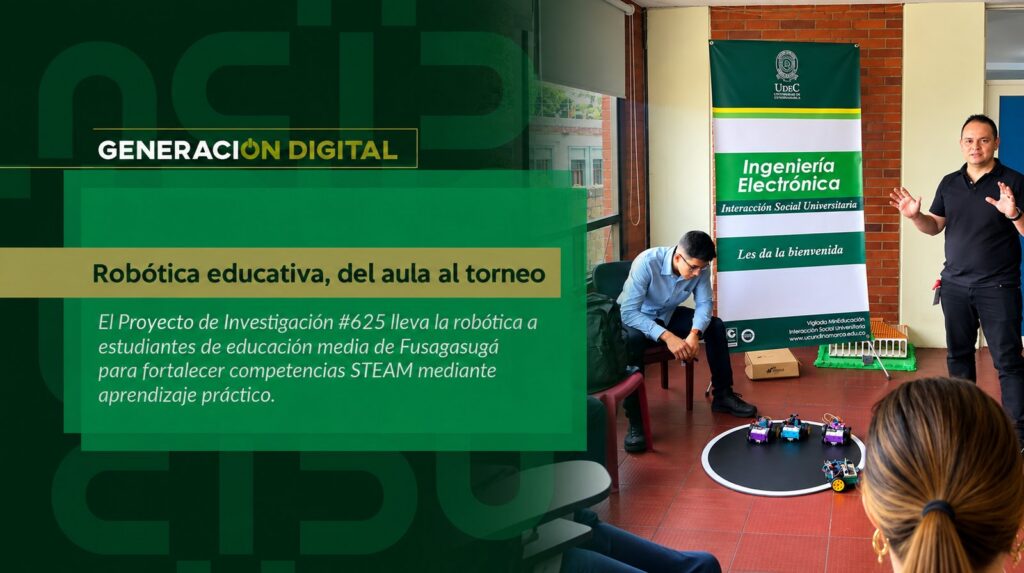
Students from the faculties of Systems Engineering, Industrial Engineering, Electrical Engineering, and Software Development Technology presented low-cost solutions for this type of population. Many of them are volunteers who go to communities with "Robotic Kits" to teach people with any type of disability about innovations that include them and improve their quality of life, in an easy and low-cost way.
News
News
News
News