Fusagasugá Branch
2026-09-24
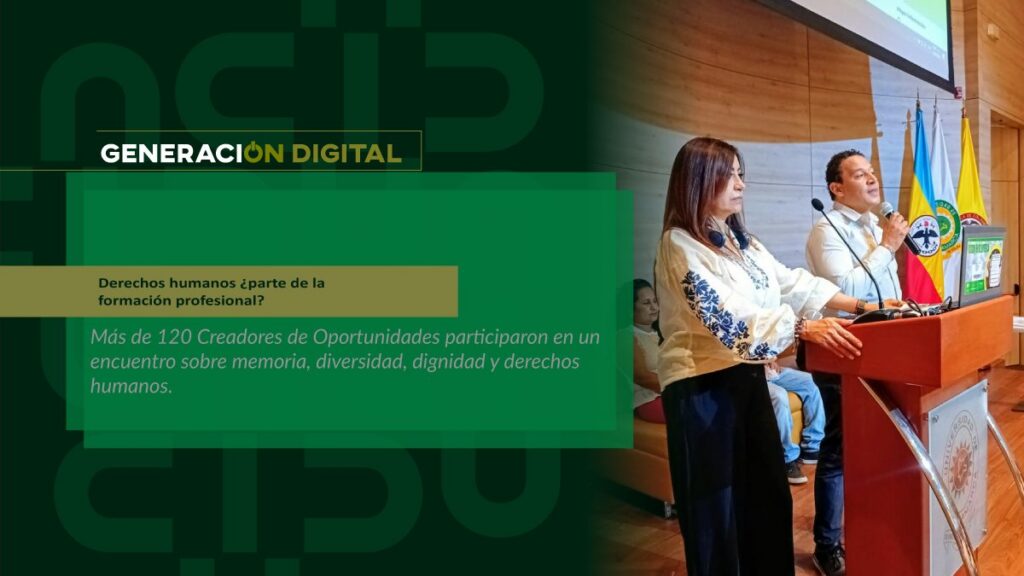
Human rights: part of professional training?
By: Alejandro García Suárez – Advisory Office of Communications


I am your virtual assistant, here to help you quickly and easily.
▲ Back to Top
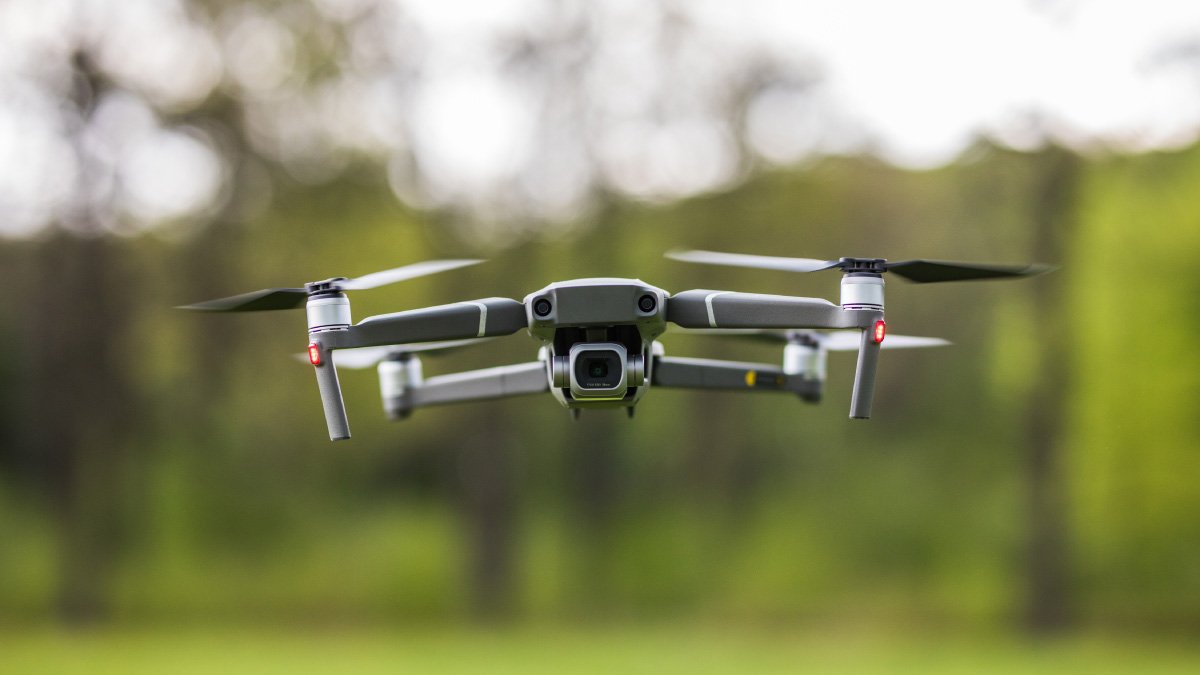
Paula Marroquín and Diego García are two tenth-semester students of the Bachelor's Degree program in basic education with emphasis on Physical Education, Recreation and Sport at the Fusagasugá campus, who hope to innovate in the psychomotor activities carried out in schools and sports schools in our department through the use of drones.
In fact, his project: “Contribution of drones to motor simulation in physical education classes for six and seven-year-old children” has sparked so much interest in the academic community of the University, that it will be presented, as a paper, on November 18 at Expomotricidad 2021, one of the most important meetings in Latin America, which brings together thousands of researchers in the area of physical education, sports and recreation.
“We started this project at the Progessio Kids seedbed in late 2020 and early this year, when we were looking for ways to encourage physical activity to combat the sedentary lifestyle of lockdown. So, we recorded a sketch "We filmed a drone guiding a series of physical activities for children in the Fusacatán neighborhood of Fusagasugá, and this material caught the attention of Professor Carlos Alberto Romero, who proposed turning it into a research project," explains Diego.
Since then, the idea of using a drone (an unmanned and remotely controlled aircraft) to accompany psychomotor activities has been implemented in two settings in Cundinamarca, according to the two students: “The first was at the Jorge Tadeo Lozano Integral School, where it was observed that in seven-year-old children, the drone sparked interest during physical education class and facilitated the explanation of exercise routines, and the second was at the Celtics soccer school, where children of the same age, but with greater psychomotor development, showed more interest in developing ball movement exercises, accompanied by the drone.”.
According to Paula Marroquín, these results, in addition to being shared at Expomotricidad, will be included in the research assistant's report, within the framework of project 026, which is led by teacher Romero, who, through research in sports sciences, seeks to address childhood obesity both in Fusagasugá and in the rest of the department.
“But we also hope that after this research meeting, we can carry out more physical activities accompanied by the drone, which may seem like an expensive resource for a physical education class, but which yields very good results in the child population,” says Paula.
UAS (Drone) Diploma
It's worth clarifying that to carry out exercises like those proposed in Paula and Diego's research project, a drone pilot certified by the Civil Aeronautics Authority is required, as the goal is to minimize any risk to children and people near the drone. Likewise, this pilot must also be familiar with the city's flight paths because a drone's signal can be interfered with if it's near police or military buildings.
“We were fortunate to have Juan Pablo Toro, a Systems Engineering student at UCundinamarca, as the drone pilot for our activities. He is certified by the Civil Aeronautics Authority, but we recommend that anyone planning to fly these aircraft take courses like the one the University is currently offering as a diploma program,” Diego adds.
Indeed, the UAS (Drone) Diploma program at UCundinamarca is now available to anyone interested in operating this machine correctly. If you would like more information about this academic program, please write to [email protected] or contact the number: 318 7257038
News
News
News
News